Back pain in pregnancy is a problem that most pregnant women will complain about,but normally begins early in pregnancy and can be experienced more frequently as the body has to adapt to carrying an expanding child. Extra strain to the lower back, hips and spine may occur during pregnancy due to increased weight, change of posture and hormonal changes. This is mild discomfort to some women, and sometimes it can interfere with sleep, mobility and day-to-day activities of the women. Understanding the causes of pregnancy-related pains and knowing the safe and effective ways of handling back pain would be of much assistance in making the pregnancy comfortable, feeling confident and healthy at all stages of the trimester.
Common Causes of Back Pain During Pregnancy
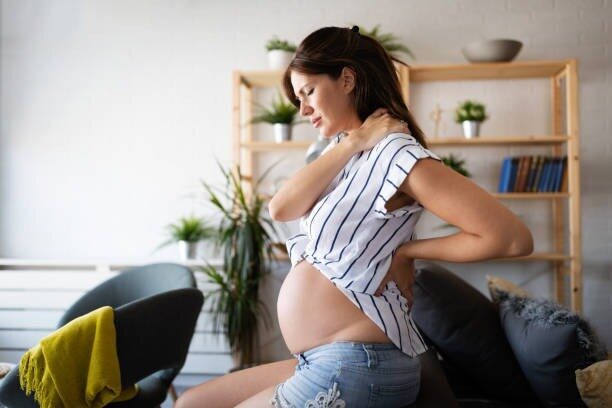
Back pain during pregnancy is very common and can arise at any time, but this pain can increase as the pregnancy advances. Weight gain is one of the main causes, as it puts the spine, the lower back, and the pelvic joints under pressure. As the baby develops, your center of gravity moves forward, requiring the adjustment of the body position and additional demand on the lower back muscles.
Hormonal changes also contribute a lot. The body secretes a hormone called relaxin during pregnancy, which is a hormone that relaxes the ligaments and joints to prepare for birth. This is required, yet this can lead to a reduction in the stability of the spine and discomfort. Most of the time, poor lower-back and abdominal support can worsen the strain, and consequently, some pregnant women have found extra support like a pregnancy belt effective in alleviating the strain of daily movement, standing or walking. Back pain during pregnancy may also occur because of poor posture, weakened core muscles, long standing, and poor sleeping postures.
For moms needing maximum relief during these shifts, the Momcozy Go As You Grow™ Maternity Belly Band is engineered for moments you need extra support most, like carrying twins, multiples, or a fast-growing bump. Its wide, contoured belly cradle provides gentle support from underneath without compression. Additionally, the buttery-soft fabric with airflow channels and added grip strips dissipates heat and reduces friction, making this advanced pregnancy belt perfect for comfortable, all-day wear.

Effective Natural Relief for Pregnancy Back Discomfort
A great number of pregnant women would like to use more natural means to get rid of back pain, and luckily, there are some safe alternatives. Warm compresses or heating pads (low setting) can be used to relax contracted muscles and improve circulation. Even the tension of the muscles can be relieved through prenatal massage by a certified professional, provided that the massage is done gently.
Another effective method is prenatal yoga or stretching, which contributes to the flexibility of the body and makes it less rigid. Sleeping on your side with a pregnancy pillow between your knees can make sure that your spine remains erect and that the pain at night is minimal. Even simple activities like deep breathing and mindfulness can help to relieve muscle tension caused by stress, which often contributes to physical pain.
Best Exercises to Support Your Back While Pregnant
When done properly, exercise can prevent and treat back pain in pregnant women. Pelvic tilts also form part of the most recommended exercises, which help to strengthen the abdominal muscles and decrease the load on the lower back. One of the most practiced types of prenatal yoga is cat-cow stretches, which may be used to stretch the spine and release tension.
Walking without putting the joints under strain is another good low-impact exercise that helps to improve circulation and improve overall muscle tone. Swimming or water aerobic exercise can also be a very beneficial exercise because the water will help to support your weight, and your backbone will not work hard, and you can move at a slow pace. Pregnancy-related exercises should never be initiated or continued without consulting your medical practitioner, and in extreme instances of pain during exercise.
Choosing the Right Support Gear for Back Pain Relief
Comfortable equipment can help to perceive a difference in everyday life. The maternity support belt is used to redistribute the abdominal weight and reduce the burden on the lower back and the pelvis. These belts are handy, particularly to women who must spend hours standing or walking.
Footwear also matters. Posture may be improved with supportive low-heeled shoes that have good arch support and that reduce back strain. At night, a full-body pregnancy or lumbar support cushion would be applied to the spine to make sure that it is properly aligned. Comfort, adjustable, and breathable support gear should be of high priority when making this choice.
Daily Posture Tips to Reduce Back Strain for Moms

Proper posture during the day is one of the easiest but most effective methods of alleviating pregnancy back pain. When sitting, pull your shoulders in, lift the chest and bend the knees a little- never lock. Not to stand still, but to stand on both feet and not to stand long without taking a break.
When sitting, sit on a chair that has good back support and have both feet flat to the ground. Additional support can be added by placing a small pillow or rolled towel behind the lower back. During lifting, use the knees and not the waist and should not have any twisting of the same. Even minor changes in posture will help a lot to decrease the daily burden.
When to Consult Your Doctor About Pregnancy Back Pain
Back pain is common during pregnancy, which may be mild to moderate, but some symptoms cannot be ignored. See your doctor when the back pain is severe, chronic or progressive or when the pain interferes with day-to-day functioning and sleep. Fever pain, vaginal bleeding, numbness, or difficulty walking is an emergency.
Lower back pain, sudden or rhythmic, may also be an indication of preterm labor, especially when the pain occurs before the 37-week mark. A health care provider can identify the cause, rule out other underlying conditions and prescribe safe interventions, such as physical therapy or medical-grade support systems.
Conclusion
Back pain in pregnancy is difficult, yet it can also be handled with the correct knowledge and practices. With some knowledge of its most frequent causes, natural ways of relief, effective exercises without risk, correct support equipment, and excellent posture, in a way, expectant mothers can do a great deal to reduce the pain. Above all, you should listen to your body and consult the doctor when pain is strange or extraordinary, and this will guarantee that the mother is comfortable and the baby is safe. With conscious hands and constant attentiveness, pregnancy can be a more comfortable and confident trip throughout and through.