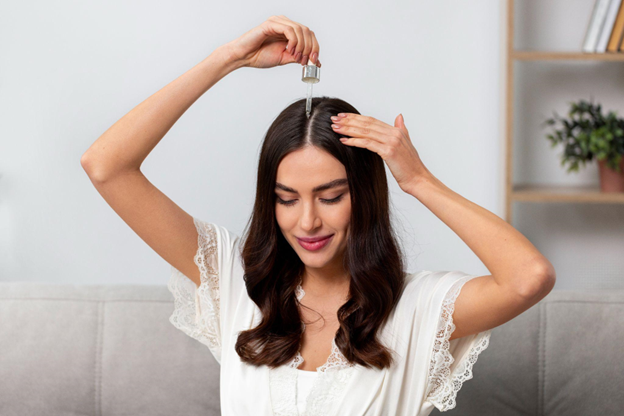
Most people pick a hair oil the same way they pick a shampoo — based on what smells good or what’s trending. But hair oil isn’t a one-size-fits-all thing. What works beautifully for someone with thick, coarse hair can leave fine hair looking flat and greasy. Getting this choice right actually matters more than most people realize.
The difference between oiling that helps and oiling that does nothing often comes down to whether the oil suits your hair type in the first place.
Why Hair Type Changes Everything About Oil Selection
Your hair’s structure, porosity, and scalp behavior determine how it absorbs and responds to oil. Fine hair has a smaller diameter and tends to get weighed down easily. Coarse or thick hair has a larger cuticle layer and often needs heavier, more penetrating oils. Curly hair loses moisture faster and benefits from oils that seal the cuticle effectively. Straight hair may already produce enough sebum and needs only light oiling to avoid buildup.
Beyond texture, your scalp type matters just as much. An oily scalp paired with the wrong heavy oil is a recipe for clogged follicles and more hair fall. A dry scalp with a light oil might not get the nourishment it actually needs.
Light Oils for Fine or Oily Hair
If your hair is thin or your scalp produces excess oil, you want oils that absorb quickly without sitting on the hair shaft.
- Jojoba oil is technically a wax ester, which means it mimics the scalp’s natural sebum and absorbs cleanly
- Argan oil is lightweight and rich in Vitamin E, making it a good finishing and scalp oil for this hair type
- Grapeseed oil is extremely light and works well for people who want shine without greasiness
For fine hair, less is more. A few drops massaged into the scalp and mid-lengths, left for 30–45 minutes before washing, is usually enough. If you’re trying to decide between two popular lightweight options, reading about jojoba oil vs argan oil for hair can help you understand which suits your specific needs better.
Heavier Oils for Thick, Coarse, or Dry Hair
Thick and coarse hair has a denser structure and tends to be more porous, meaning it loses moisture quickly. This hair type needs oils that can actually penetrate the shaft rather than just coat it.
- Coconut oil remains one of the few oils with a small enough molecular size to penetrate the hair cortex rather than just sit on the surface
- Castor oil is dense and nourishing, particularly useful for dry scalps and promoting thicker-looking hair
- Olive oil is rich in oleic acid and works well for coarse, heat-damaged hair
For very thick or curly hair, warming the oil slightly before applying improves penetration. Leaving it on for a few hours or overnight can make a visible difference over time.
Oils That Work Well for Hair Fall Concerns
Hair fall has many causes — hormonal imbalance, nutrient deficiencies, stress, and scalp conditions among them. Oil alone won’t reverse hair loss, but certain oils can support scalp health and reduce breakage from the outside.
Rosemary oil has shown genuine promise in improving circulation to the scalp. Bhringraj oil, long used in Ayurvedic practice, is believed to support scalp health and reduce thinning over time. Pumpkin seed oil has some emerging research around DHT-blocking properties, though the evidence is still developing.
Understanding How to Grow Hair Faster also means recognizing that oils are just one piece of the picture — nutrition, scalp health, and the hair growth cycle all interact together.
How Traya Approaches Oil as Part of a Bigger System
Traya, a hair health brand, takes a root-cause approach to hair loss by combining Ayurveda, nutrition, and dermatology. Their perspective on oiling aligns with what most trichologists suggest — that oil is a supportive tool, not a cure. The right oil, used correctly, creates better scalp conditions for everything else to work.
Final Thoughts
Choosing a hair oil isn’t complicated once you understand your hair’s actual needs. Fine hair needs light, fast-absorbing oils. Dry or coarse hair benefits from richer, penetrating ones. And if hair fall is a concern, no oil works in isolation — the scalp environment, internal health, and consistency all matter just as much.
Start with your hair type, not with what’s popular, and you’ll make a better choice every time.