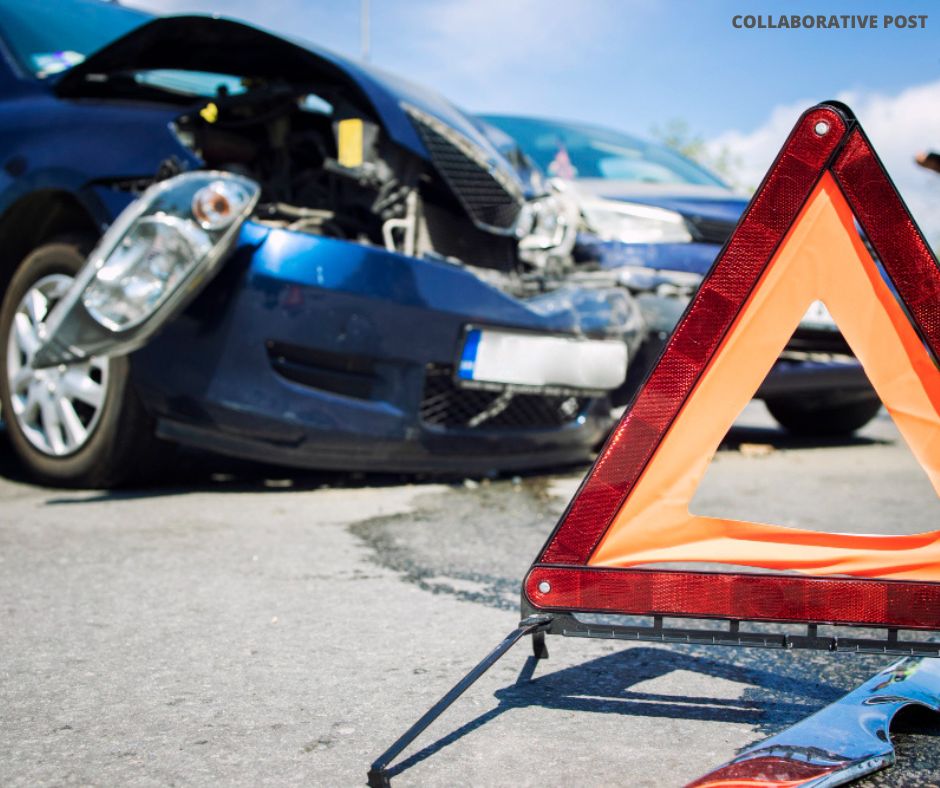
Texas has historically experienced a relatively high rate of car accidents compared to other states in the United States and haven driven the roads of Texas while on holiday there, I know first hand the fear of potentially being in a crash there…and then everything after a crash that you have to deal with also.
The bottom line is, experiencing a car accident in Texas is going to be distressing, leaving individuals shaken and disoriented. In the aftermath, emotions can run high, making navigating difficult. A crucial step involves interacting with Texas law enforcement officers who arrive at the scene.
Handling these interactions is vital for a smooth resolution. In this guide, we’ll delve into essential tips on navigating everything after a crash including dealing with the police after a Texas car accident, helping you understand the critical aspects of post-accident procedures.
After a Crash: Prioritize Safety
The first and foremost concern after a crash is the safety of all parties involved. Move to a safe location, if possible, such as the side of the road or a nearby parking lot, to avoid any additional risks.
Turn on your hazard lights and set up warning triangles or flares if you have them. Once everyone is secure, check for injuries and call emergency services immediately if medical attention is required.
Seek Legal Advice After a Crash if Necessary
In the unfortunate event that a car accident in Texas results in serious injuries or intricate liability issues, seeking legal advice becomes paramount.
Engaging the expertise of Texas car accident attorneys, specialists in personal injury and traffic accidents, is prudent. These professionals can navigate you through the legal process, offering comprehensive guidance on understanding your rights and pursuing fair compensation.
With these experts, you can confidently address the complexities that may arise, ensuring that your legal interests are safeguarded throughout the resolution process.
Exchange Information After a Crash
Once safety is ensured post-accident, exchanging comprehensive information with all involved parties is imperative. This includes vital details such as names, addresses, phone numbers, insurance information, and license plate numbers.
After a crash, it is crucial to refrain from admitting fault, recognizing that the determination of liability rests with insurance companies and, if needed, the legal system.
By exchanging thorough information while navigating this delicate balance, individuals contribute to a smoother resolution process while protecting their legal interests after a car accident.
Wait for Law Enforcement
In many jurisdictions, law enforcement officers must be present at the scene of an accident, especially if there are injuries or significant property damage. While waiting for the police to arrive, avoid discussing the accident in detail with the other parties involved.
Instead, after a crash, focus on gathering information and taking photographs of the scene, including vehicle damage, road conditions, and traffic signals.
Remain Calm and Cooperative
Upon the arrival of the police, it is crucial to maintain composure and a cooperative demeanor. Offer the required information and respond to their queries truthfully. Stick to the facts without speculating or making assumptions about the accident.
It’s essential to be mindful that any statements can be incorporated into the official report, potentially influencing the outcome of subsequent legal proceedings.
By adhering to this composed and cooperative approach, individuals contribute to a smoother interaction with law enforcement and safeguard their legal standing in the aftermath of a car accident.
Request a Copy of the Police Report
After the police have completed their investigation, request a copy of the accident report. This document is crucial for filing insurance claims and can serve as valuable evidence in disputes.
Review the report carefully and notify the police of any inaccuracies or missing information. Obtaining the report as soon as possible is essential, as details may become less transparent with time.
Document the Scene
While law enforcement creates an official report, documenting the accident scene independently after a crash can prove advantageous. Capture detailed photographs of the involved vehicles, visible injuries, road conditions, and pertinent traffic signals.
In the presence of witnesses, secure their contact information. This supplementary evidence, offering a comprehensive and firsthand account of the incident, is a valuable asset during insurance claims and legal proceedings.
By proactively gathering this information, individuals enhance their ability to present a clear and accurate representation of the events, reinforcing their position in the aftermath of a car accident and contributing to a more thorough resolution process.
Notify Your Insurance Company
Contact your insurance company promptly to report the accident. Provide them with the necessary details, including the police report and any additional documentation you have gathered.
Cooperation with your insurer is essential to expedite the claims process and protect your rights.
Final Words
Dealing with the police after a car accident requires a calm and organized approach. Prioritizing safety, exchanging information, and cooperating with law enforcement are crucial steps in the immediate aftermath.
In challenging situations, seeking legal advice can provide the necessary guidance to navigate the complexities of the legal system.
By following these steps, you can better manage the aftermath of a crash and protect your interests in the following days and weeks.