Most people don’t think about Fire & Carbon Monoxide Safety Alarms until something changes at home. Those change points are often the best time to install connected alarms, rather than waiting until after a scare. Once you know what setup involves and what daily use is really like, the upgrade feels much less technical.
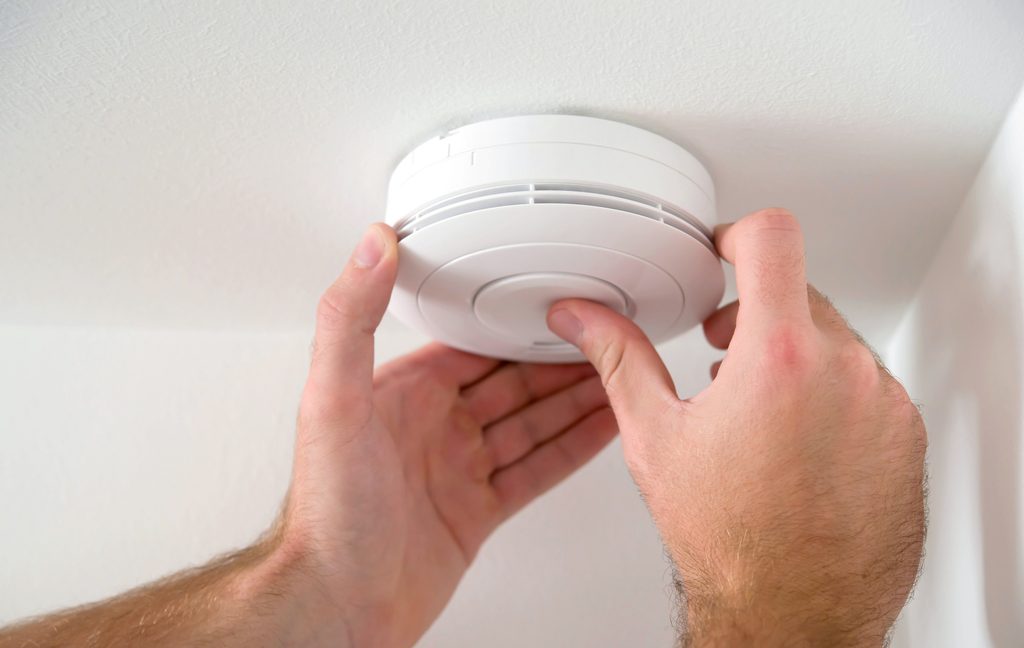
Signs it’s time for an upgrade
An upgrade makes sense at four common moments. Moving into a new place is one, especially when you don’t know the age or condition of the alarms left behind. Renovating is another, as open ceilings let you plan suitable positions without extra patching afterwards. Wireless alarms are easier to retrofit than systems that require cable to be chased through finished walls, so it makes sense to use that opportunity.
Alarm age is another trigger. Modern alarms often have a ten-year sealed battery that can’t be removed or replaced. When the battery reaches the end of its life, the whole alarm needs replacement. Check the date printed on the back of each unit. If one is near expiry, replacing the set together can keep the alarms on the same schedule.
The fourth point is when you let a property. Landlords in England have duties concerning the provision of smoke and CO alarms, while Scotland has its own requirements for interlinked alarms. Rules differ by area and can change, so always check what currently applies to your property. Tenancy changeovers remain a practical time to bring alarms on different floors up to the same standard.
What connected really means
The terms are sometimes mixed up, so separating them makes choosing a system easier. Interlinked means all sound together. If the alarm in the hall detects smoke, the alarms on the landing and in the bedroom sound as well, giving everyone more time to react. This is particularly important at night because you aren’t relying on hearing a distant alarm through a closed door.
Some connected systems add phone-based information to interlinked local warnings. Depending on the model, an app may send an alert when smoke or CO is detected and may display battery levels or sensor faults. Check the stated features, network requirements and alert behaviour of the system you are considering.
Monitoring arrangements also vary. With self-monitoring, alerts go to you and to other people with whom you have shared access. Some services may involve professional monitoring or a response service. Check exactly who receives an alert, whether a subscription is required and which functions remain available if the internet connection drops.
Sensor choice and placement still matter. Follow the system manufacturer’s room-by-room guidance rather than assuming that one alarm type is suitable everywhere.
What to expect from setup and daily use
Setup usually involves more pairing than tools. After fitting the alarms, follow the manufacturer’s instructions to add each unit or its gateway to the system. Depending on the design, alarms may communicate through a radio link, a hub or an internet-connected component. The exact steps vary, so have any app and network details ready and work through the instructions in order.
Once paired, test the system through the app and at the alarm itself. You should hear the local siren first, then confirm that the phone alert arrives as expected. Standalone alarms primarily provide an audible warning at the property. If you want remote alerts and battery information on your phone, you can explore a smarter way to stay alerted at home and review how connected functions can complement local audible warnings.
Day-to-day management depends on the system. Where supported and correctly configured, the app may alert you to smoke or CO and show warnings for a low battery or failed self-test. Always investigate the cause of an alarm before using any silence function.
Keep notifications switched on so that the phone alerts can reach you.
Where to put them so they work
Position affects how well Fire & Carbon Monoxide Safety Alarms protect your home. Put a smoke alarm high on the ceiling on each floor. Hallways and landings are usual locations because smoke moves through them, but alarms should not be placed where ordinary steam or cooking fumes will repeatedly reach them. Poor positioning near kitchens and bathrooms can cause nuisance alarms. UK fire-safety guidance stresses the importance of keeping working smoke alarms in the home.
Avoid putting a smoke alarm directly above a toaster or beside a shower door. Even a short burst of steam can activate it and repeated nuisance alarms may lead people to remove batteries. That is a habit you want to avoid.
CO alarms belong in different locations. Carbon monoxide is odourless and colourless, and it can come from fuel-burning appliances such as boilers and gas fires. Put an alarm in rooms containing those appliances and near sleeping areas. Follow the manufacturer’s guidance on installation height because the recommended position varies.
Test each alarm using the button at the frequency stated in its instructions. Clean the vents as the manufacturer directs so that dust does not build up.
Limits worth knowing before you buy
Connected functions support loud local alarms rather than replacing them. The siren in the room is what wakes you, while the phone notification provides backup when you’re away or unable to hear the alarm. Never rely on a phone alert alone.
App alerts require power and the connections specified by the system. If the relevant home connection drops or the phone blocks notifications, remote alerts may not get through. Keep permitted notifications enabled and install important app updates.
Buy certified stock only. In the UK, smoke alarms should meet BS EN 14604, while CO alarms should meet BS EN 50291. BS 5839-6 provides guidance on alarm grades and placement in homes. You don’t need to memorise the standard, but certified alarms fitted in line with the relevant guidance are the expected choice.
Local requirements can still differ. Rental duties and Scotland’s interlink requirements mean many owners now install alarms on every floor. Check the current rules for your area and property before buying alarms or letting the home.
Choose the right moment and fit the alarms properly. You’ll sleep better knowing that they are ready to warn you when needed. That’s what they’re there for.