There is something very exciting about having a new kitchen installed. After all, it’s generally one of the most important parts of the home. Nonetheless, it will be important to ensure that you are going to get the kitchen installed properly. Getting a new kitchen installed is one of those projects that sits right at the intersection of excitement and disruption. It promises transformation – better flow, improved functionality, a space that actually reflects how you live – but it also asks you to temporarily give up one of the most used rooms in your home. Done well, it feels like stepping into a space that was always meant to be yours. Done poorly, it becomes a slow accumulation of compromises. The difference rarely comes down to luck. It’s about preparation, sequencing, and knowing where not to cut corners.

Underlying Systems
The first thing to understand is that a kitchen installation is less about cabinets and more about systems. People often focus on finishes – worktops, colours, handles – but the underlying infrastructure determines whether those choices will hold up over time. Before anything is ripped out, there needs to be a clear plan for plumbing, electrics, ventilation, and structural layout. This is where many projects quietly go off track. A design that looks perfect on paper can become awkward if the practical realities aren’t addressed early.
Plumbing
One of the most overlooked aspects is the role of a qualified plumber. It’s tempting to assume that moving a sink or installing a dishwasher is straightforward, but plumbing dictates far more than water flow. It affects pressure, drainage efficiency, appliance longevity, and even hygiene. A poorly installed waste pipe can lead to slow drainage or unpleasant odours months down the line, long after the excitement of the new kitchen has faded. Bringing in a plumber at the planning stage, not just the installation stage, means you can design around what’s feasible, rather than forcing the system to adapt later.
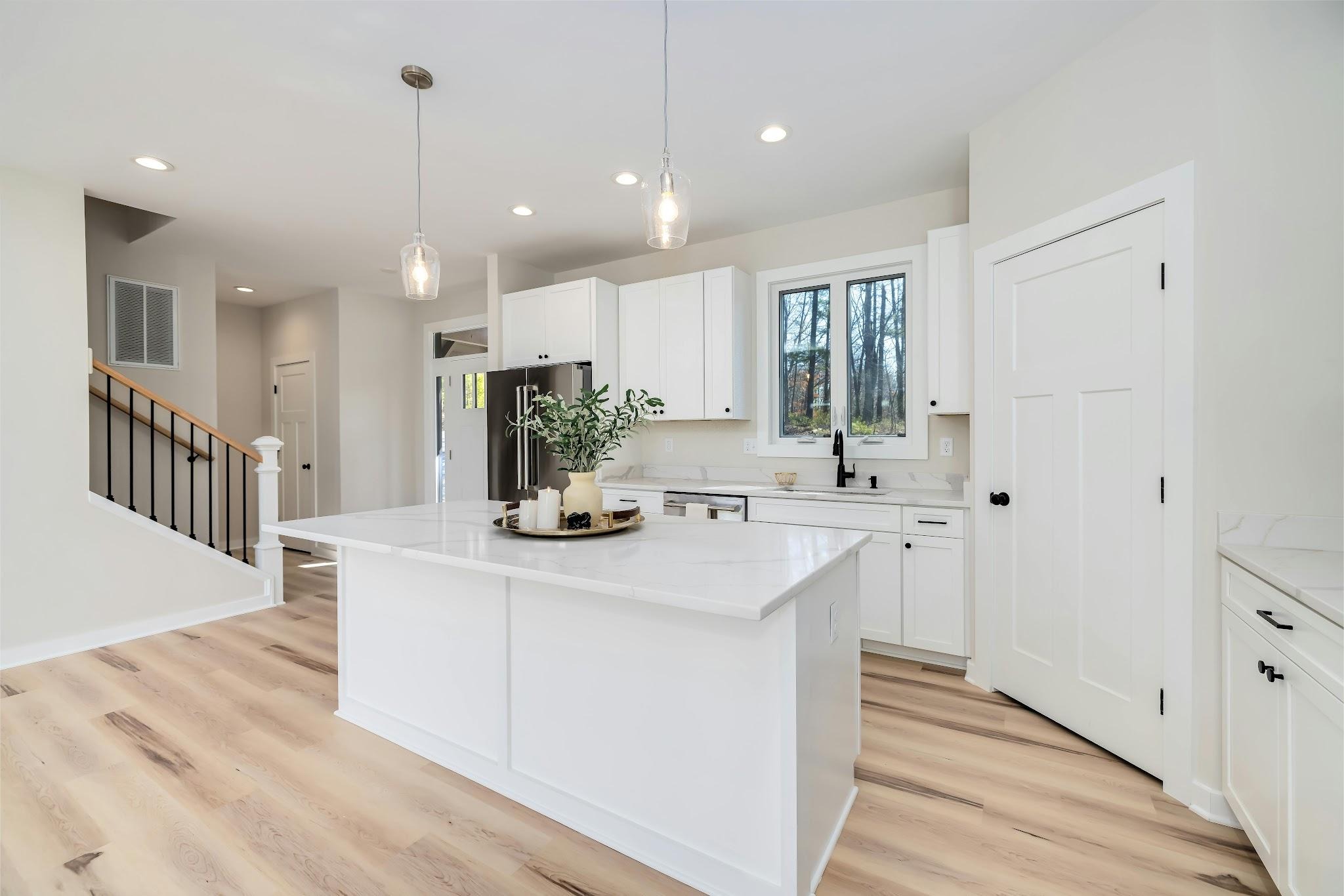
This becomes especially important if you’re reconfiguring the layout. Moving a sink to an island, for example, can be a beautiful choice, but it requires careful thought about how waste pipes will run beneath the floor. In older properties, this can involve lifting flooring or working around existing joists. Without proper planning, you risk ending up with compromises that affect both aesthetics and performance. A good plumber will not only install but advise, helping you understand what’s possible without overcomplicating the build.
Timing
Timing is another factor that quietly determines success. Kitchen installations follow a sequence for a reason, and disrupting that sequence can cause delays or costly rework. Typically, the process begins with stripping out the old kitchen, followed by any structural changes. First fix plumbing and electrics come next: this is where pipes and cables are laid in place before walls are finished. Only after this groundwork is complete do cabinets and units go in, followed by second fix work, where appliances are connected and everything is brought to life. Trying to rush this sequence rarely saves time. For instance, installing cabinets before plumbing has been properly set can lead to awkward adjustments or even damage to newly fitted units.
Heat & Air
Material choices also play a subtle but significant role. Kitchens endure heat, moisture, and constant use, so durability matters as much as appearance. Worktops, for example, should be chosen not just for how they look on day one, but how they age. Solid surfaces like quartz or granite offer resilience, while wood introduces warmth but requires ongoing care. Cabinets should be built to withstand humidity and daily wear, particularly around sinks and cooking areas where exposure is highest.
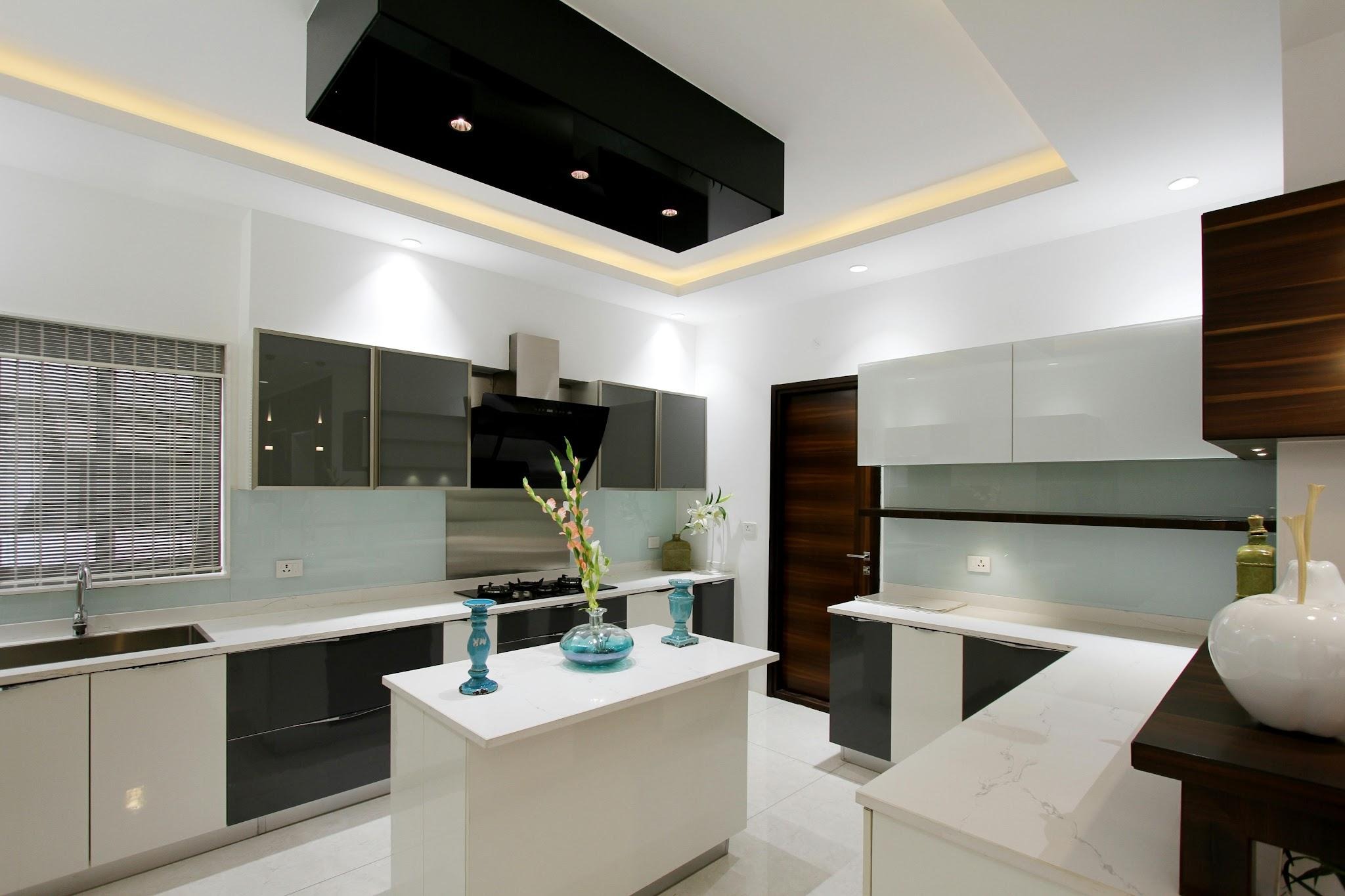
Ventilation is another element that often doesn’t get enough attention. A powerful extractor fan isn’t just about removing cooking smells; it protects surfaces from grease buildup and helps maintain air quality. In open-plan spaces, this becomes even more important, as cooking fumes can easily drift into living areas. Planning for proper extraction early on ensures it integrates seamlessly rather than feeling like an afterthought.
Lighting Issues
Lighting, too, deserves more consideration than it usually gets. A well-lit kitchen isn’t just brighter; it’s more usable. Layered lighting – combining ambient, task, and accent lighting – creates a space that adapts to different needs throughout the day. Under-cabinet lights can make food preparation easier, while softer lighting can shift the mood in the evening. It’s a small detail that has a surprisingly large impact on how the space feels.
The Budgeting Problem
Budgeting for a kitchen installation is rarely straightforward, because the visible costs are only part of the picture. Labour, unexpected repairs, and upgrades to existing systems can all add up. Older homes, in particular, may reveal hidden issues once work begins – outdated wiring, worn plumbing, or structural quirks that need addressing. Building a contingency into your budget isn’t pessimistic; it’s realistic. It gives you the flexibility to deal with surprises without compromising the overall vision.
Communication & Teamwork
Communication between trades is another quiet cornerstone of a successful installation. Kitchens involve multiple specialists – joiners, electricians, plumbers, tilers – and their work overlaps in ways that aren’t always obvious. A misalignment between trades can lead to delays or mistakes, such as incorrect measurements or poorly placed connections. Whether you’re managing the project yourself or working with a contractor, ensuring that everyone is aligned on the plan helps the process run more smoothly.
There’s also something to be said for restraint. With so many options available, it’s easy to overdesign a kitchen, adding features that look impressive but don’t necessarily improve daily use. The most satisfying kitchens tend to be those that balance form and function, where every element has a clear purpose. It’s worth asking not just “does this look good?” but “will this make my life easier?”