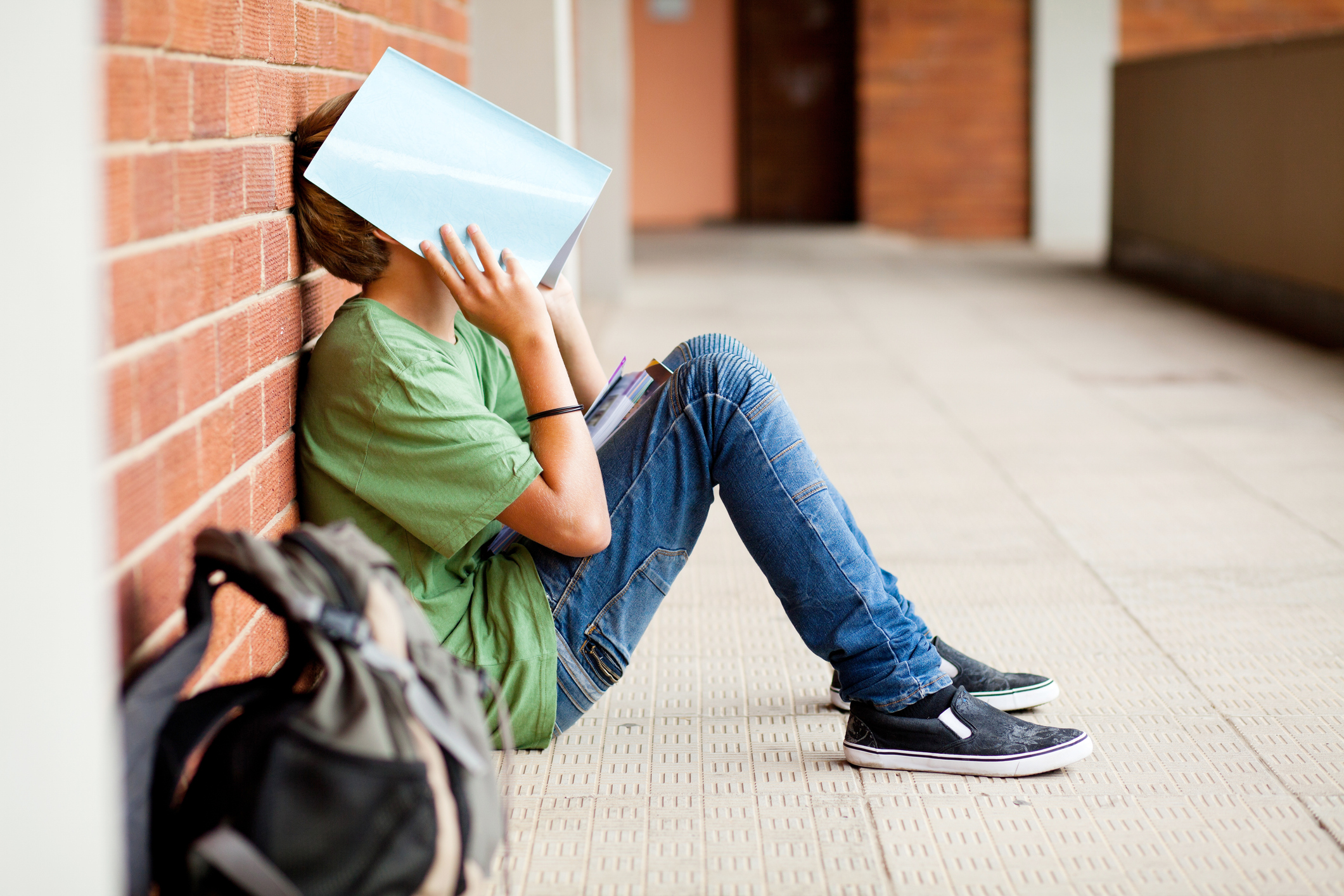
School can be a wonderful place for learning, friendships and discovery—but it can also be a significant source of stress for children. From exams and homework to social pressures and performance expectations, it’s easy for young people to feel overwhelmed. Helping your child build resilience is one of the best ways to support their mental wellbeing and help them cope with challenges in a healthy, confident way.
What Is Resilience?
Resilience is the ability to bounce back from setbacks, adapt to change and keep going even when things get tough. It doesn’t mean ignoring stress or pretending things are fine—it’s about facing difficulties with a mindset that allows you to learn, grow and keep trying. For children, resilience can be developed over time, especially when they’re supported by understanding adults.
Recognising Signs of Stress in Children
Children may not always have the words to express how they’re feeling, so it’s important to notice the signs of school-related stress. These might include:
- Trouble sleeping or frequent headaches
- Becoming withdrawn or irritable
- Avoiding school or complaining of stomach aches
- Changes in appetite or mood
This private school in Derby recommends spotting these signs early can help you step in with support and guidance before stress becomes overwhelming.
Practical Ways to Build Resilience
1. Encourage a Growth Mindset
Help your child understand that mistakes are part of learning. Instead of focusing on perfection, praise their effort, problem-solving and willingness to try again. Phrases like “I love how hard you worked on that” or “It’s okay not to get it right first time” help build confidence.
2. Create a Calm and Supportive Home Environment
Children need a safe space to unwind. Ensure your home routine includes time for rest, open conversations, and opportunities for your child to share how they’re feeling. Listening without judgement is key.
A really simple way to give your child connection and reassurance when they are away from you is by giving them a bracelet to wear, and telling them to touch the bracelet whenever they feel upset or overwhelmed and think about you. A simple piece of jewellery for teens provides tangible, wearable comfort, allowing kids to discreetly self-soothe or remember that they are still connected to you even when they are apart.
3. Teach Problem-Solving Skills
Instead of jumping in to fix everything, help your child think through challenges themselves. You could say, “What could we do differently next time?” or “What are your options here?” These small conversations can make a big difference in how they approach future problems.
4. Prioritise Sleep and Downtime
Tired children are more likely to feel anxious or overwhelmed. A consistent bedtime, breaks from screens and time to relax can all support better mental health and resilience.
5. Model Resilience Yourself
Children learn a great deal from observing the adults around them. If they see you handling stress with calm and a problem-solving attitude, they’re more likely to adopt similar strategies.
When to Seek Extra Support
If stress seems to be affecting your child’s daily life or emotional wellbeing for an extended period, don’t hesitate to speak with their school or a mental health professional. Sometimes a little extra support is all that’s needed to help a child regain their confidence.
Final Thoughts
Building resilience is not about eliminating stress, but helping children navigate it in healthy, empowering ways. With encouragement, patience and the right tools, every child can develop the confidence and strength to thrive—even when school gets tough.