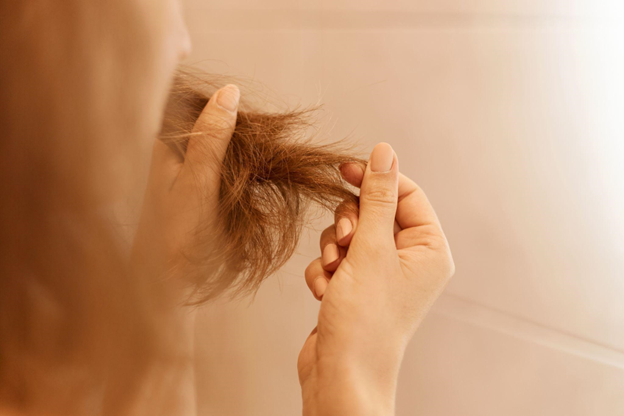
You started a new hair loss treatment a few weeks ago, and suddenly your hair seems to be falling out more than before. It’s alarming, and your first instinct is to stop everything immediately. But before you do, it’s worth understanding what’s actually happening — because in some cases, increased shedding early in treatment isn’t a warning sign. It might actually mean things are moving in the right direction.
What Is Treatment-Induced Shedding?
When you begin certain hair loss treatments, the hair follicles go through a kind of reset. Follicles that were stuck in a prolonged resting phase get pushed to shed their old hair so that a new, healthier hair shaft can grow in its place. This process is medically known as a telogen effluvium response — a temporary increase in hair fall triggered by a shift in the follicle cycle.
It’s the same mechanism that causes hair shedding after major physical stress, illness, or hormonal changes. The difference here is that the trigger is intentional and therapeutic.
Why Some Treatments Cause a Shedding Phase
Not all hair treatments cause this. It’s most commonly associated with treatments that actively stimulate follicle activity — like minoxidil, finasteride, and certain clinical-grade topical formulations. When these treatments accelerate follicles from the resting (telogen) phase into the active growth (anagen) phase, the old hair in those follicles has to go first.
Think of it like clearing a field before planting. The shedding is the clearing phase. Without it, new growth wouldn’t have the space or signal to begin.
This is particularly well-documented with medications like finasteride. The finasteride shedding phase can last anywhere from a few weeks to a few months, and it often catches people off guard because they expect results, not more hair loss.
How to Tell If It’s Normal Shedding or a Problem
This is the part most people struggle with. Here’s what generally distinguishes treatment-related shedding from actual worsening hair loss:
- It starts within 2–8 weeks of beginning treatment
- It’s diffuse (spread across the scalp, not concentrated in patches)
- The shed hairs have a small white bulb at the root, indicating they completed a natural cycle
- It slows down noticeably after 8–12 weeks
- New short hairs begin appearing around the hairline or crown within 3–4 months
If you’re seeing significant bald patches, scalp inflammation, or no improvement after four to five months, that warrants a conversation with a dermatologist rather than a “wait and see” approach.
What the Research Actually Says About Hair Shedding
Hair loss science is still catching up with public awareness. Many people quit treatment during the shedding phase, mistakenly believing it isn’t working — which means they never give it a real chance. According to the American Academy of Dermatology, it’s normal to lose anywhere from 50 to 100 hairs a day, and understanding what qualifies as hair shedding versus clinical hair loss is critical before making any decisions about stopping treatment.
The data on minoxidil and finasteride consistently shows that people who push through the initial shedding phase are more likely to see meaningful regrowth compared to those who discontinue early.
Where Personalised Guidance Matters
One of the most common reasons people misread the shedding phase is that they’re self-medicating without a proper baseline assessment. They don’t know whether their hair loss is hormonal, nutritional, stress-related, or genetic — so when shedding increases, they have no framework to interpret it.
This is where structured, root-cause approaches make a real difference. Traya, for instance, combines Ayurvedic, medical, and nutritional assessments to identify what’s actually driving someone’s hair loss before prescribing a protocol. That kind of clarity means you’re not guessing whether the shedding is progress or a problem — you know, because the treatment was built around your specific pattern from the start.
Final Thoughts
Temporary hair shedding during treatment is real, it’s common, and for many people, it’s actually a sign that the follicles are responding. The mistake is interpreting early shedding as failure. Give treatment enough time, track what’s changing, and don’t make decisions based on a few bad weeks. Hair regrowth is slow by nature — and patience, paired with the right diagnosis, usually tells a more complete story than panic ever does.