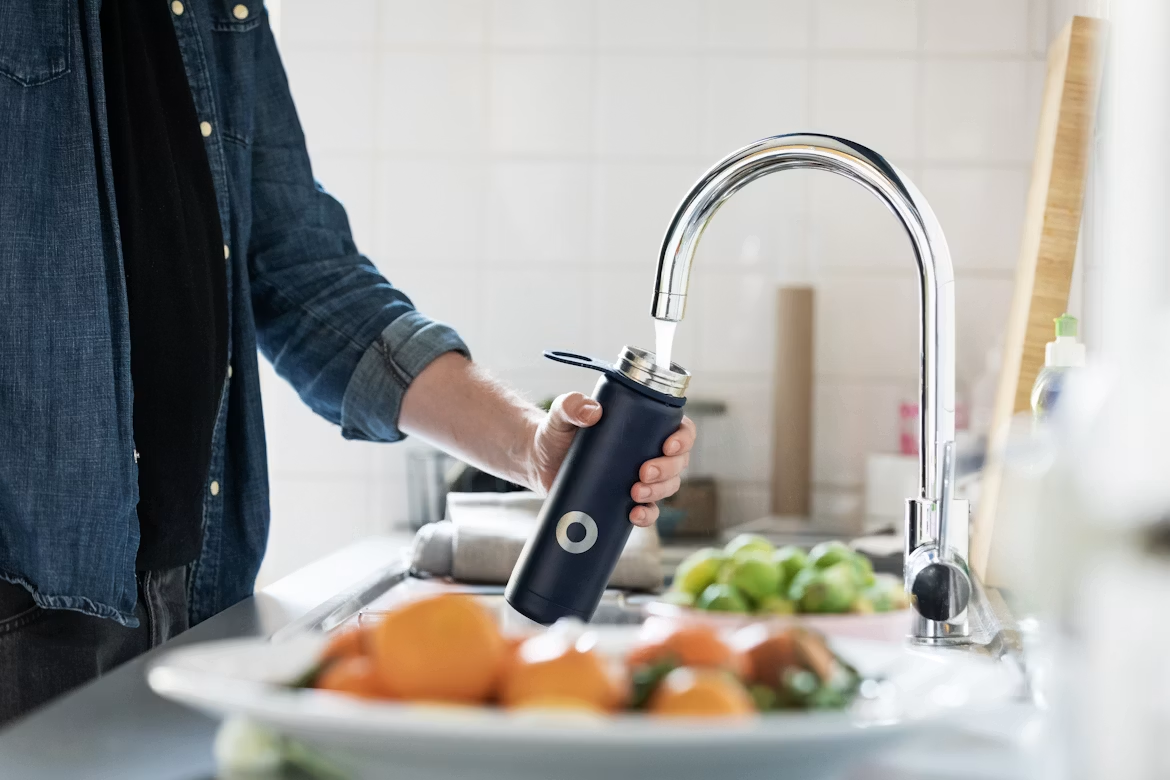
Image Credit: Unsplash
You turn on the tap for a glass of water, to wash vegetables for dinner, or to fill the tub for your kids’ bath time. It’s such a routine part of daily life that we rarely stop to think about it. But have you ever wondered about the quality of the water flowing through your pipes? Making sure the water your family uses is clean and safe is a fundamental part of creating a healthy home.
Understanding Your Water Source
To really get a handle on your water quality, you first need to know where it comes from. Most homes get their water from one of two places: a municipal supply or a private well. If you live in a town or city, your water probably comes from a public utility. This water gets treated and tested to meet official standards before it’s sent to your home. Even so, it can still pick up unwanted stuff from old pipes on its way to your faucet.
If your home has a private well, you’re in charge of its safety. That means you’re responsible for regular testing and upkeep. For well owners, getting a good private water supply treatment system isn’t just a nice idea; it’s essential to make sure your water is free from bacteria, nitrates, and other things that can get into groundwater.
Common Home Water Problems
Even water that’s considered “safe” can have problems that mess with its taste, smell, and how it looks. Some of the most common issues homeowners deal with aren’t actually dangerous, but they can be annoying.
- Hardness: This happens when there’s a lot of calcium and magnesium in the water. It won’t hurt you, but it can leave soap scum on your fixtures, build up minerals in your pipes and appliances, and make your skin or hair feel dry.
- Chlorine: City water suppliers use chlorine to clean the water. It works well, but it can leave behind a strong chemical taste and smell that many people don’t like.
- Sediment: Tiny bits of sand, dirt, or rust can get into your water, making it look cloudy or discolored. These can come from the main water line or from older, rusty pipes in your own house.
Signs of Poor Water Quality
You don’t need to be a scientist to spot potential water problems. Your own senses are great at telling you when something’s off. Pay attention to any changes in how your water looks, smells, or tastes.
If your water looks cloudy or murky, that’s a big warning sign. Water that’s brown, orange, or has bits floating in it should not be consumed. Bad smells, like rotten eggs (which point to sulfur) or a metallic odor, also mean there’s an issue. If your water tastes like metal, or if you see blue-green stains in your sinks and tubs, it could mean metals are getting into the water from corroding pipes.
Testing Your Home’s Water
While your senses can tip you off to obvious problems, many contaminants are sneaky. You can’t see them, smell them, or taste them. The only way to truly know what’s in your water is to test it. You can start with simple, at-home testing kits you can find at most hardware stores. These can check for things like pH, hardness, and chlorine.
For a more thorough check, especially if you’re worried about something specific or if you have a private well, professional lab testing is your best bet. A certified lab can give you a detailed report on all sorts of potential contaminants. It’s a good idea to look into when you should have your water tested to understand how often you should test, depending on your water source. This detailed analysis will give you a clear picture of your water’s health.
Simple Solutions for Better Water
Finding out there’s a problem with your water doesn’t have to be overwhelming. There are lots of good, simple solutions out there for any home and budget. For specific taste and odor issues, a basic carbon-based water filter pitcher or a filter that attaches to your faucet can make a huge difference for your drinking water.
If testing shows bigger problems like hard water or certain contaminants, you might want to think about a whole-house solution. Water softeners are fantastic for dealing with hard water, protecting your appliances, and making cleaning easier. For a more complete clean, a whole-house filtration system can get rid of sediment, chlorine, and other chemicals from every tap in your home, giving you clean, great-tasting water for drinking, cooking, and bathing.
Taking a moment to check your home’s water is a simple but powerful step toward creating a more self-sufficient home. Knowing its source and watching out for any warning signs helps you make sure your family has access to the best quality water every single day.