
Recovery from addiction is more than staying away from substances. It’s about healing your body, mind, and spirit. One of the most powerful tools you can use in recovery is nutrition. Eating well not only supports your physical health but also strengthens your mental and emotional resilience.
In this article, we’ll explore how nutrition plays a key role in sobriety, what foods help in healing, and how to build a supportive, sustainable eating routine.
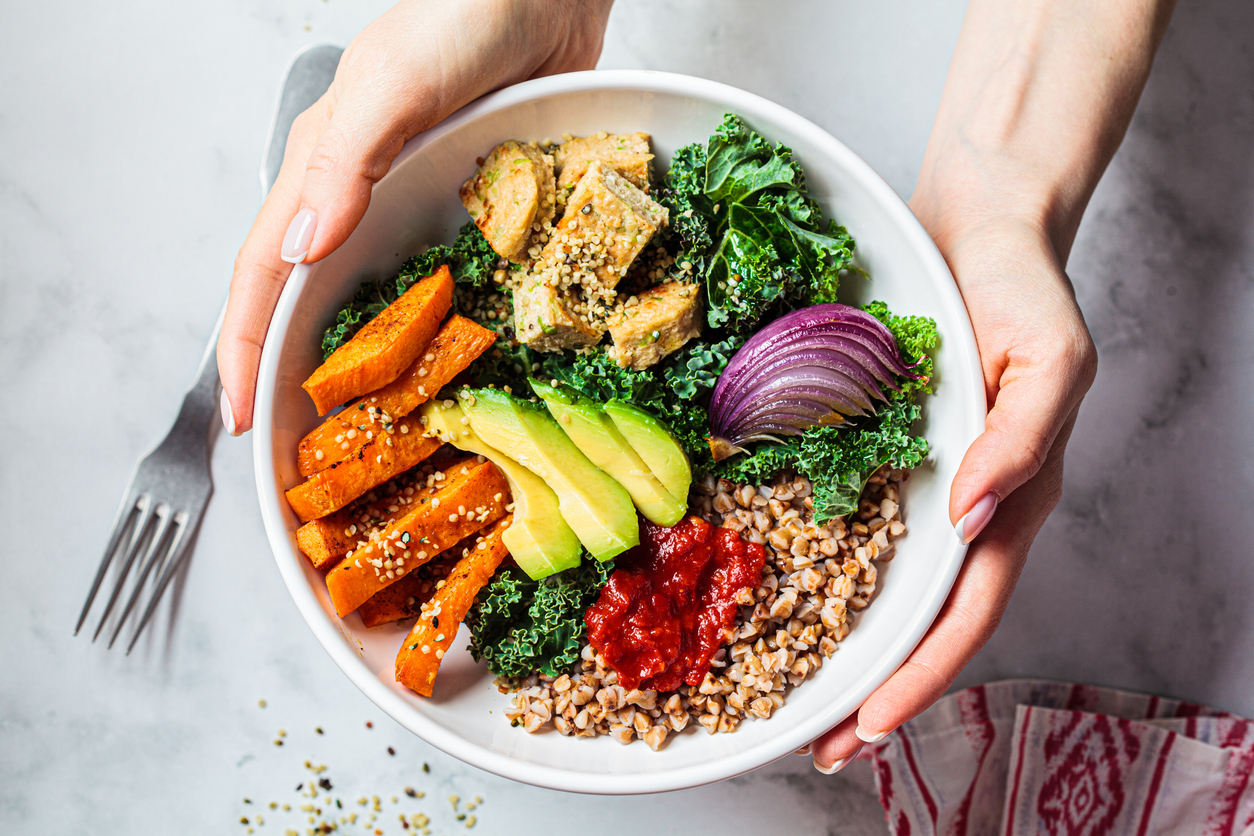
Why Nutrition Matters in Recovery
When someone struggles with addiction, their body often suffers. Drugs and alcohol can deplete the body of essential vitamins and minerals, weaken the immune system, and damage organs like the liver and digestive system.
Many people in recovery experience:
- Low energy
- Mood swings
- Poor sleep
- Blood sugar imbalances
- Digestive issues
Nutrition can help correct these imbalances and rebuild the body. According to the National Institute on Drug Abuse, healthy eating helps restore organ function, stabilize mood, and reduce cravings in recovery programs (NIDA, 2020).
How Substance Use Affects the Body
Each substance affects nutrition differently. For example:
- Alcohol reduces absorption of vitamins B1 (thiamine), B6, and folic acid. It also impacts the liver and pancreas, affecting blood sugar and fat metabolism.
- Opioids slow digestion, causing constipation and poor nutrient absorption.
- Stimulants like cocaine and methamphetamine suppress appetite and lead to malnourishment.
- Marijuana increases appetite, which may lead to overeating unhealthy foods.
These effects don’t disappear overnight. That’s why a balanced diet is essential as part of the recovery process.
Nutrients That Support Recovery
Eating a well-rounded diet gives your brain and body what they need to heal. Here are key nutrients and why they matter:
1. Protein
Proteins are building blocks for brain chemicals (neurotransmitters) like dopamine and serotonin, which affect mood. Many in recovery have low levels of these chemicals.
Good sources: Lean meats, fish, eggs, beans, lentils, tofu, and Greek yogurt.
2. Complex Carbohydrates
Carbs help regulate blood sugar, which in turn stabilizes mood and energy levels. Whole grains also feed gut bacteria, which play a role in mental health.
Good sources: Brown rice, oats, quinoa, sweet potatoes, whole wheat bread.
3. Healthy Fats
Omega-3 fatty acids reduce inflammation and support brain health. Research shows they may ease depression symptoms and improve cognitive function.
Good sources: Salmon, walnuts, chia seeds, flaxseeds, avocados, and olive oil.
4. Vitamins and Minerals
Recovery often requires restoring key nutrients such as:
- Vitamin B-complex for energy and mood balance
- Magnesium for sleep and muscle relaxation
- Zinc for immune support
- Vitamin C and E for cell repair and immune health
Good sources: Leafy greens, berries, nuts, seeds, citrus fruits, and fortified cereals.
Hydration Is Just as Important
Staying hydrated is essential for detoxification and organ function. Dehydration can cause fatigue, headaches, and mood swings.
Aim for 8–10 cups of water a day. Herbal teas, electrolyte-rich drinks, and broths can also help, especially early in recovery when appetite and digestion are adjusting.
Meal Planning Tips for Recovery
1. Start Simple
Many in early recovery don’t have the energy to cook elaborate meals. Focus on simple, nutritious meals like grilled chicken with brown rice and vegetables, or a smoothie with protein, fruit, and spinach.
2. Eat Regular Meals
Skipping meals can cause blood sugar crashes, which trigger cravings. Try eating small meals or snacks every 3–4 hours to stay balanced.
3. Limit Sugar and Processed Foods
Sugar can spike energy quickly but leads to crashes that mimic withdrawal symptoms like irritability and fatigue. Limit sodas, pastries, and processed snacks when possible.
4. Cook at Home
Preparing meals gives you control over ingredients and helps build a routine. It can also be a soothing, meditative activity.
The Mind-Body Connection
Eating well doesn’t just affect your body—it supports your mental recovery too. According to the American Journal of Psychiatry, balanced nutrition has a positive impact on depression, anxiety, and cognitive function during addiction recovery (Jacka et al., 2017).
Gut health also plays a role in mental well-being. The gut-brain axis shows how good bacteria in your digestive system influence mood. Probiotic-rich foods like yogurt, kimchi, and kefir can help support this connection.
Supporting Emotional Eating
It’s common to replace substance use with food, especially sugary or high-fat items. This can lead to emotional eating, which may bring guilt or shame. The key is to approach eating with mindfulness.
Here are some tips:
- Ask: Am I hungry or just stressed?
- Choose comfort foods that nourish (like oatmeal or warm soups)
- Don’t restrict too harshly—balance is more sustainable
- Seek support from a therapist or recovery coach if eating habits feel out of control
Build a Supportive Eating Environment
Recovery thrives in safe and structured environments. The same goes for nutrition.
- Shop with a plan: Make a list of healthy staples before you go grocery shopping.
- Cook with others: If you live in sober housing or with loved ones, involve them in cooking.
- Keep healthy snacks handy: Nuts, fruit, hard-boiled eggs, and hummus are great on the go.
- Track progress: Use a food journal to note how food affects your energy, cravings, and mood.
Final Thoughts
Sobriety is a full-body journey, and what you put on your plate matters. Nutrition won’t replace therapy, medication, or peer support—but it can strengthen your recovery from the inside out.
By choosing whole foods, eating regularly, and staying hydrated, you give yourself the physical and emotional stability to build a healthier future. You deserve to feel well, think clearly, and enjoy food again—one meal at a time.
References:
- National Institute on Drug Abuse. (2020). Addiction and Health
- Jacka, F. N., et al. (2017). A randomised controlled trial of dietary improvement for adults with major depression (the ‘SMILES’ trial). American Journal of Psychiatry.
If you enjoyed this post, please consider supporting this site by buying us a virtual coffee.

