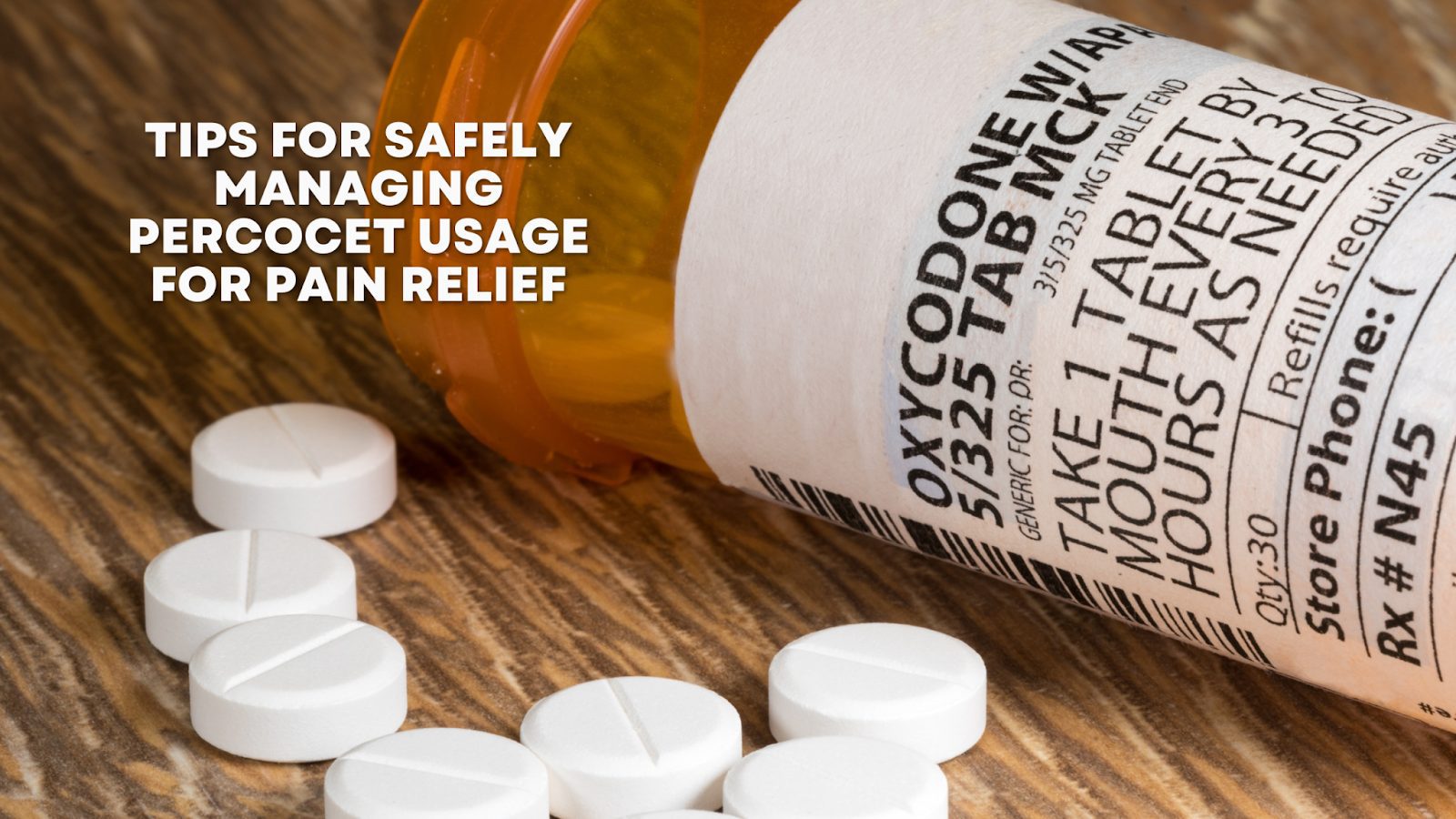
Percocet is a widely prescribed opioid pain medication that combines oxycodone, a potent narcotic, and acetaminophen, a non-opioid pain reliever. This combination treats moderate to severe pain by changing how the brain and body perceive and respond to pain signals. However, its oxycodone component poses risks of addiction, dependence, and potentially fatal overdose if misused.
According to the latest data from the Substance Abuse and Mental Health Services Administration (SAMHSA), 3.3% of people aged 12 or older (9.3 million) misused prescription pain relievers, including oxycodone products like Percocet, in 2020. With such statistics in mind, it’s crucial to understand how to safely manage Percocet usage to harness its benefits while mitigating potential dangers.
Starting Percocet: What You Need to Know
Proper initial management is crucial to benefit from Percocet while minimizing risks. Physicians typically prescribe Percocet for post-surgical pain, cancer pain, or other chronic pain conditions when over-the-counter pain medications prove insufficient. The key is starting with the lowest effective dose and adhering strictly to the prescribed regimen.
Healthcare providers must conduct a thorough evaluation before prescribing Percocet, considering factors like personal and family history of substance abuse. SAMHSA data shows that prescription pain reliever misuse rates are highest among young adults aged 18 to 25, at 4.1%. Additionally, individuals with opioid use disorders or a history of substance use disorders face an increased risk of opioid overdose.
Managing Percocet usage safely is crucial for minimizing the risk of dependency and side effects while managing pain effectively. Always follow your healthcare provider’s instructions on dosing and duration of use. Be aware of how much acetaminophen each dose contains to avoid liver damage.
Regular check-ups are essential to assess the effectiveness of the treatment and make adjustments as needed. Additionally, ensure that you are using the correct medication by using a percocet pill identifier to confirm that your pills are as prescribed, helping to avoid any mix-ups or incorrect dosages. Also, avoid consuming alcohol and be wary of other medications that may interact with Percocet. Lastly, if you experience any severe side effects or signs of an allergic reaction, seek medical attention immediately.
Guidelines for Ongoing Management
Starting Percocet is just the first step in a long-term pain management journey. Ongoing monitoring and open communication with healthcare providers are essential to ensuring the medication remains effective while minimizing side effects and the risk of dependency.
During treatment, regular follow-up appointments allow doctors to assess how well the medication is working, adjust dosages as needed, and monitor for any concerning side effects or interactions with other medications. In 2021, about 39.5 million people worldwide lived with drug use disorders, highlighting the importance of vigilance in long-term opioid use.
Some strategies to help minimize side effects include taking Percocet with food, staying well-hydrated, and avoiding alcohol or other sedatives. Disclose all medications, vitamins, and supplements to your healthcare provider to avoid dangerous interactions.
Common Side Effects
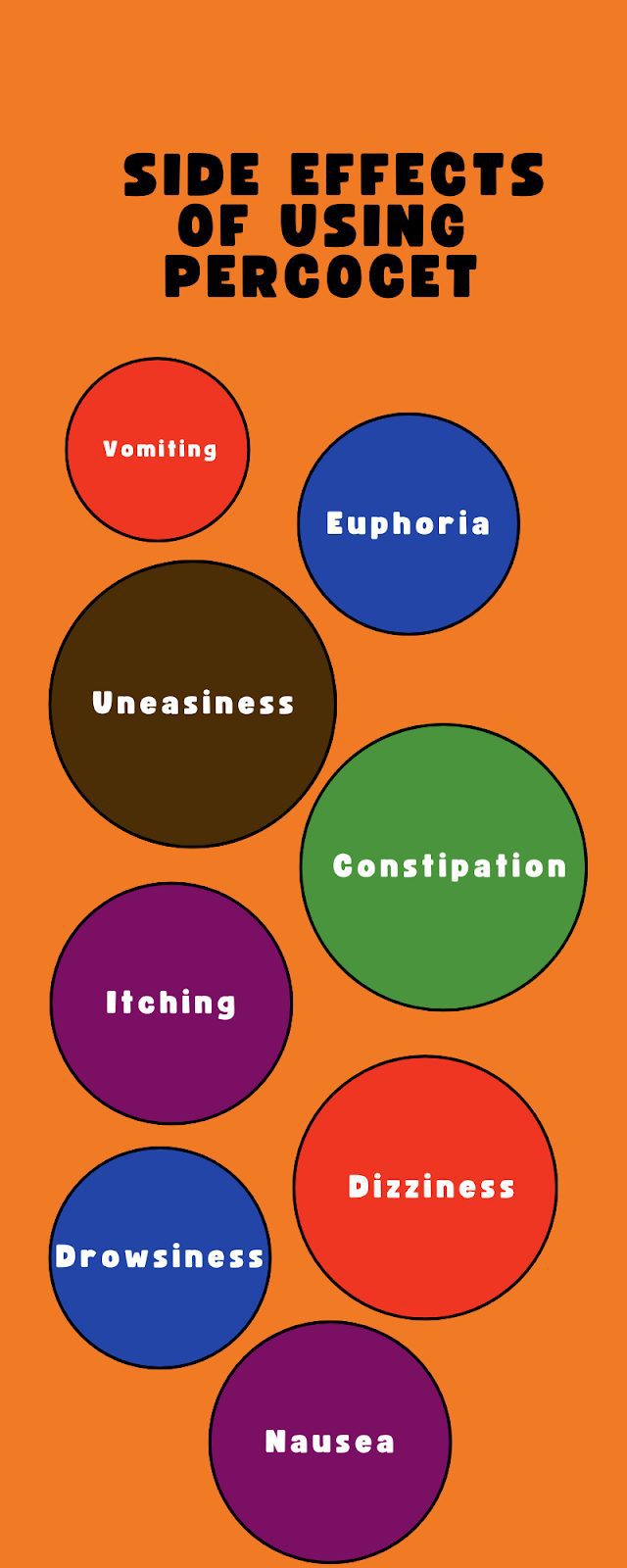
| Side Effect | Mild | Moderate | Severe |
| Nausea | ✓ | ||
| Dizziness | ✓ | ✓ | |
| Constipation | ✓ | ✓ | |
| Drowsiness | ✓ | ✓ | |
| Headache | ✓ | ✓ | |
| Vomiting | ✓ | ✓ |
This comparison illustrates that while nausea, dizziness, constipation, and headaches are generally mild to moderate, severe drowsiness or vomiting may warrant immediate medical attention.
Handling Potential Side Effects
Most side effects associated with Percocet are manageable, but it’s crucial to recognize and respond to them promptly to ensure safety and effectiveness. Common side effects include nausea, drowsiness, constipation, and potential allergic reactions like rashes or itching.
To manage nausea, try taking Percocet with food or milk. Over-the-counter anti-nausea medications can also provide relief. For constipation, increase fluid intake, exercise regularly, and consider adding fiber supplements to your diet. Drowsiness may subside as your body adjusts but avoid driving or operating heavy machinery until you know how the medication affects you.
However, some side effects require immediate medical attention, such as breathing difficulties, severe drowsiness, or signs of a severe allergic reaction like swelling of the face, lips, tongue, or throat. The World Health Organization states that opioid overdose can be identified by pinpoint pupils, unconsciousness, and breathing difficulties – a potentially fatal scenario.
Avoiding and Addressing Dependency
Even when taken as prescribed, Percocet’s oxycodone component carries a risk of dependence and addiction. In the United States, approximately half of the 70,630 drug overdose deaths in 2019 involved synthetic opioids such as oxycodone. To avoid dependency, one must strictly adhere to prescribed doses and schedules while remaining vigilant for signs of developing tolerance or cravings.
Red flags that may indicate dependence or addiction include:
– Taking larger doses than prescribed
– Experiencing intense cravings or urges to use Percocet
– Engaging in “doctor shopping” to obtain multiple prescriptions
– Neglecting responsibilities or loss of interest in hobbies/activities
– Mood swings, irritability, or changes in sleep patterns
Remember that dual diagnosis can result from addiction. This means that someone struggling with Percocet dependency might have a co-occurring mental health disorder, such as depression or anxiety. Treating both conditions is vital for a successful recovery. Check this blog to read more about treating dual diagnosis.
If you suspect dependency or addiction, it’s crucial to have an honest conversation with your healthcare provider immediately. They can help develop a plan to taper off Percocet safely and explore alternative pain management strategies.
Safe Discontinuation of Percocet
Successful avoidance of dependency includes knowing how to stop using Percocet safely when it’s no longer needed. Abrupt discontinuation can lead to severe withdrawal symptoms like muscle and bone pain, diarrhea, insomnia, and intense cravings. To minimize these risks, healthcare providers recommend a gradual tapering process overseen by a medical professional.
During the tapering phase, your doctor may prescribe medications such as naloxone to manage withdrawal symptoms and reduce the risk of overdose. Other supportive measures include staying hydrated, engaging in regular exercise, and seeking psychological support to address any underlying issues contributing to prescription misuse.
While discontinuing Percocet marks the end of opioid therapy, it does not necessarily signal the end of pain management needs. This realization paves the way to exploring alternative strategies that can serve as adjuncts or replacements to opioid medications.
Alternatives to Percocet for Pain Management
A holistic approach to pain management involves exploring various non-opioid medications and non-pharmacological treatments to help reduce or eliminate the need for Percocet. Some options to discuss with your healthcare provider include:
Non-opioid Medications
– Over-the-counter pain relievers like acetaminophen, ibuprofen, or naproxen
– Anti-seizure medications like gabapentin or pregabalin
– Antidepressants like duloxetine or amitriptyline
– Topical pain relievers like lidocaine patches or creams
Non-pharmacological Treatments
– Physical therapy and exercise programs
– Cognitive-behavioral therapy or mindfulness practices
– Acupuncture or massage therapy
– Interventional treatments like nerve blocks or spinal cord stimulators
Combining various treatment modalities can help many patients effectively manage their pain while minimizing or eliminating their reliance on opioid medications such as Percocet.
Legal and Safe Disposal of Unused Percocet
Closing the loop on responsible Percocet management involves the proper disposal of any unused or expired medication. Improper disposal risks diversion, misuse by others, and environmental contamination. The U.S. Food and Drug Administration (FDA) recommends several safe disposal methods:
– Participate in community drug take-back programs that allow disposal at designated collection sites.
– If unavailable, mix unused medications with unpalatable materials such as dirt, cat litter, or used coffee grounds before sealing in a container and placing them in the trash.
– For certain medications, you can flush them down the toilet or sink (check product labeling).
By taking these steps, you help prevent the misuse of leftover Percocet and protect the environment from pharmaceutical pollution.
The Path to Safe Pain Relief
Managing Percocet safely requires a multifaceted approach involving open communication with healthcare providers, adherence to prescribed regimens, monitoring for side effects and signs of dependence, and a willingness to explore alternative pain management strategies when appropriate.
While Percocet can provide much-needed relief for moderate to severe pain, its potency demands vigilance and care. By following the tips outlined here, from proper initiation to safe discontinuation – you can harness Percocet’s therapeutic benefits while minimizing the risks of dependency, addiction, and accidental overdose.
Ultimately, the goal is to find an effective, sustainable path to managing your pain in partnership with your healthcare team. Don’t hesitate to have frank discussions about your concerns, report any side effects or cravings, and proactively explore complementary or alternative treatments that may allow you to reduce or eliminate your need for opioid medications over time.
Your health, safety, and quality of life should be the top priorities. With dedication and a commitment to responsible medication management, a future free from debilitating pain is achievable. Schedule an appointment with your doctor today to create a personalized pain management plan aligned with your needs and goals.
FAQs
- What drug is best for pain relief?
The best drug for pain relief depends on the type of pain, its severity, and the individual’s health condition. Nonsteroidal anti-inflammatory drugs (NSAIDs) like ibuprofen and acetaminophen are commonly used for mild to moderate pain. For more severe pain, opioids like morphine or oxycodone might be prescribed.
- How can I stop nerve pain permanently?
Permanently stopping nerve pain can be challenging, as treatment often focuses on managing symptoms rather than curing the underlying cause. Treatments may include medications like anticonvulsants (e.g., gabapentin) and antidepressants (e.g., duloxetine), as well as physical therapy and nerve blocks.
3. How do I manage long-term pain without increasing the risk of addiction?
For chronic pain conditions, a multidisciplinary approach combining various treatment methods can help minimize reliance on opioid medications like Percocet. Work closely with your healthcare provider to explore non-opioid medications, physical therapy, counseling, interventional procedures, and complementary therapies like acupuncture or massage.