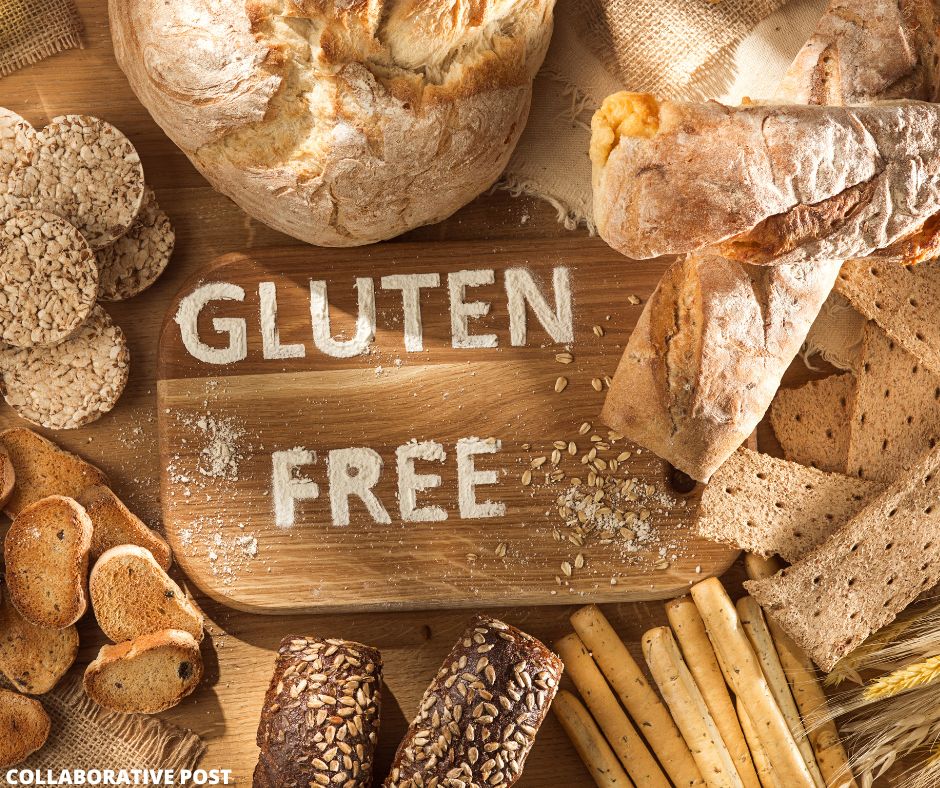
There are so many diets and claims regarding gluten that it’s time to clear up a few misconceptions. While eliminating gluten from your diet can be great for you, it’s important to make sure that you’re making the decision to go gluten-free for the right reasons.
Going Gluten-Free Doesn’t Automatically Make You Lose Weight
Most people swear that as soon as they quit eating gluten they started to drop a dramatic amount of weight, but that’s not the case for everyone. Instead of assuming you will instantly lose weight by jumping on the gluten-free bandwagon, ask those same people what they were eating and doing.
It’s likely that they started eating more fruits and vegetables, and less processed food. This dramatic shift is what results in a dramatic drop in weight. If you make the same switch, you’ll also lose weight.
However, there are plenty of gluten-free foods on the market that are going to help you pack on more pounds. Additional sugar is usually added to gluten-free foods to make them taste better. They may also contain unhealthy additives, extra calories, and plenty of other things that are not good for you. You’ll also discover that the store has a wide variety of gluten-free junk food, including snack cakes.
Instead, it’s important to focus on being healthy.
Gluten-Free Diets Will Automatically Heal Your Stomach
While this might be true for some conditions, it’s definitely not true for all of them. Gluten primarily affects the gut in people with Celiac disease or gluten sensitivity. If making the switch cures your gut ailments, there’s a good chance that you have one of those. The other possibility is that you started eating healthier, which can also ease stomach troubles.
Gluten-free food will not instantly make stomach ulcers go away, cure leaky gut syndrome, or suddenly mean that you do not have IBS. Speak with your doctor before trying an elimination diet.
Gluten Is Horrible For You
Gluten is not actually as bad as media and fad diets would have you think. Gluten is a protein that naturally occurs in wheat. It’s found in most flours and bread because it naturally occurs there. Gluten can also work as a glue to help bind ingredients together, making it wonderful for chefs and a great idea for helping shelf-stable foods stay together as the months go by. Millions of people consume gluten every day without realizing it, and without having negative effects.
You’ll Be Healthier When You Cut Out Gluten
This isn’t necessarily true. Bread, cereals, and other gluten-containing foods are often fortified with vitamins and minerals to make sure that people get their daily recommended amount. In fact, a lot of people are healthier thanks to eating those foods.
Once a person eliminates gluten, they are eliminating a large portion of their diet that contains vital nutrients the body needs to survive. In order to receive all of the vitamins and nutrients that you need, it’s important to learn about nutrition and plan your meals. It requires much more effort than simply eliminating gluten.
Eating Gluten Will Give You Cancer
Gluten does greatly increase the risk of cancer in people with Celiac disease. This fact was spun multiple times, resulting in the belief that eating gluten can cause cancer in anyone. There is not any scientific data to back up this claim.
Going Gluten-Free Means Going Low-Carb
This gluten myth is the primary reason that going gluten-free quickly became a fad diet. Many online bloggers switched to gluten-free foods, such as salad, and remarked on how gluten-free foods were similar to the Paleo diet. It is true that most fruits and vegetables, which are naturally gluten-free, have fewer carbs than junk food, but there is a bit more to keep in mind when it comes to this myth.
While a lot of foods that have gluten in them do have plenty of carbohydrates, that doesn’t mean that gluten-free foods are instantly low carb. Gluten-free cereals typically contain the same amount of carbohydrates that gluten-containing cereal does. They are simply made with rice and corn instead of wheat. Gluten-free snacks, like snack cakes and chips, are also packed with carbohydrates. Some foods, like this gluten-free macaroni, intentionally have carbs because our bodies need carbs to survive.
Going gluten-free does offer many benefits for a lot of people. However, it’s important to make sure that you are fully informed about gluten, and the myths surrounding it when deciding if this lifestyle is right for you and your family.
Gluten photo created by master1305