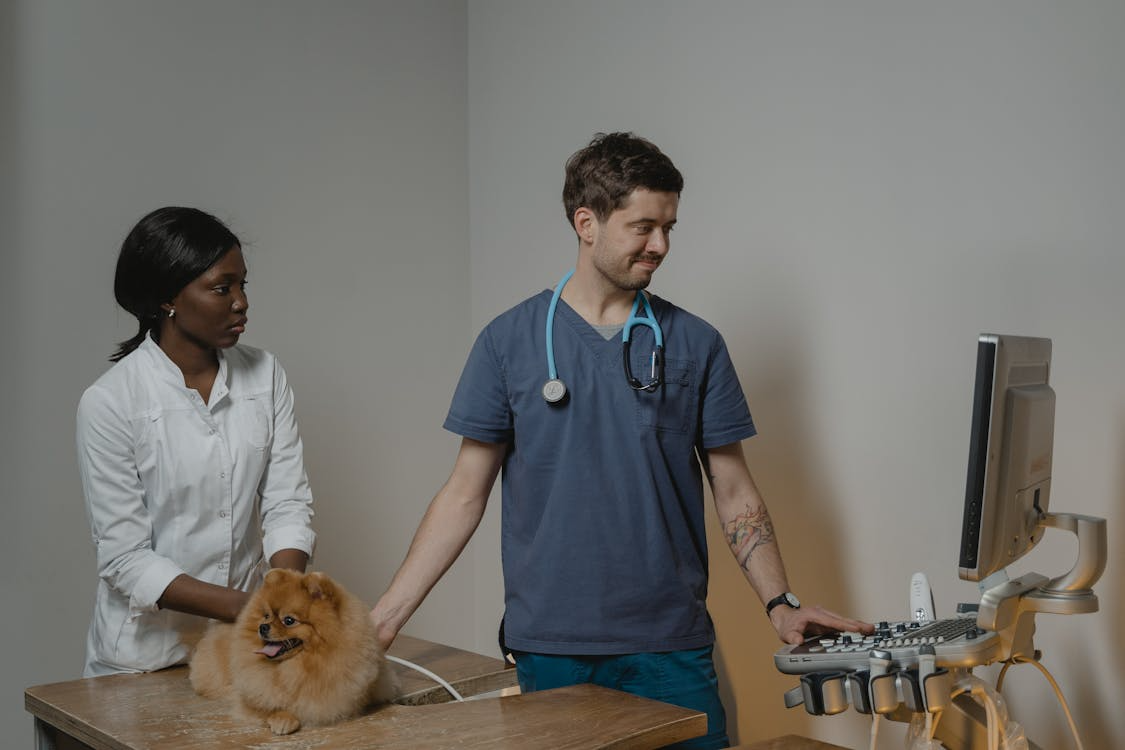
When you get a pet, especially one that can easily live throughout their senior years like a cat, dog, or even a parrot, you at least mentally prepare yourself that when it comes to old age, there will probably be a lot of vet visits. Maybe there’ll even be a few emergency ones in their old age. But you only think about the old age aspect, right? Well, think again because an emergency vet visit can happen to any animal at any age. It really doesn’t matter either.
To be entirely honest here, nobody plans for their first emergency vet visit. It’s not like people sit around thinking about how to learn fast; the heart can beat when a pet starts acting up, or how to induce vomiting, or whatever else. Well, usuallyit starts small too, a weird cough, a limp that came out of nowhere, a dog that won’t stop retching, a cat hiding in a way that you know for a fact feels different.
Then it escalates to where Google is being opened and immediately closed again because it’s making everything worse. Adrenaline is high, your nerves are shot, and you’re scared that something might be happening to your fur baby. Theres so much stress here.
So yeah, this is for the people who haven’t done it yet, and for the people who have and still feel tense thinking about it. An emergency vet visit is stressful, but it’s also something that gets easier to handle once the practical stuff is known ahead of time, but you need to know exactly what to do first though.
Knowing Where to go Saves Time and Stress
Now, this needs to be the first thing here since it helps to know the closest emergency clinic before anything happens. It’s best to do this because trying to find one while also panicking is a terrible experience. Some regular vets have after-hours numbers, some partner with emergency hospitals, and some have specific days they’re on call. So it’s smart to have a plan, like a note in the phone with the clinic name, address, and number, and maybe even a second backup option.
So, that’s easy enough, right? Also, it’s worth checking how they handle arrivals. Some places want a call on the way, some have a triage system where the most urgent cases go first, and some can have long waits depending on how many emergencies are stacked up. Basically, just knowing that ahead of time doesn’t make it less stressful, but it makes it less confusing, which helps a lot.
What Do You Bring to the Visit?
When you’re in sheer panic, obviously, you’re just not going to think about any of this clearly; there’s no denying that, and it’s so understandable. But you need to try to make this (very expensive) visit to the vet successful, and it does depend on you and what you bring to it. So, bringing any current medications is useful, even if it’s just snapping photos of the labels.
If a pet has a chronic condition, the emergency vet needs that info fast. If there’s been vomiting, diarrhea, or anything gross that nobody wants to think about, photos can be helpful too. It’s gross, it’s stressful, and it’s definitely not fun, but it gives the vet a clearer picture, so hopefully your pet will be okay. Hopefully, you already have a carrier and blanket that is the right size for your pet. If you don’t already have one, then it’s time to get to it.
Also, do you know how you can pay for the vet bill? If you have pet insurance, then you’ll at least have a lot less to worry about. Sure, there’ll probably will still be a bill, but some of your nerves will be at ease. Most vets will send an invoice and a time; others might want the payment upfront, but that’s honestly pretty rare.
You Need to Know How Triage Works
But why? Well, this part throws people. Now, just give it some thought for a second; someone arrives in a panic, and then gets told to wait. It can feel insulting, like no one cares, especially when the pet looks miserable. This is your baby, this is your family, why are they telling you to wait? But triage means the most life-threatening cases go first, and sometimes the scary-looking situation is stable, while a quieter pet is in actual danger.
Please just understand that people who work with animals have seen all sorts of pets in all sorts of conditions. They’ll act if it’s clearly an emergency. Also, it’s normal for the staff to ask quick questions right away. Is the pet breathing just fine? Is there active bleeding? Did it ingest something toxic? Is it collapsing? Is it conscious? Is it able to stand? Basic questions, right?
But just understand here that these questions aren’t meant to be cold; they’re meant to sort urgency fast. And if there’s a wait, asking what to watch for while waiting can help, because it gives the owner a job to do besides spiralling in a chair. But please be patient, you and your pet are being taken seriously.
Do You Know What to Ask?
It’s helpful to ask what the vet thinks is most likely going on, and what else it could be. Asking what tests are being recommended, and what each test tells them, makes the process feel less like a mystery. And it’s also fair to ask what happens if testing is declined, like what would the vet do based on symptoms alone, and what risks that carries.
They’ll probably tell you a lot of stuff without you needing to ask, but it still helps to just ask questions. Also, you can even ask for a written summary during discharge. It makes sense because emergency visits are stressful, memory gets patchy, and having instructions in writing avoids mistakes later.
Aftercare is Usually the Hardest Part
Now, with that part said, going home can feel like relief, but it can also feel stressful in a new way. But why? Well, aftercare often includes medication schedules, food restrictions, activity limits, and monitoring. Some pets bounce back fast, and others take a few days to look normal again. Some pets get clingy, some get grumpy, some just sleep like they’re catching up on life. Well, honestly, it’s just really hard to predict what can happen.