
In today’s fast-paced and digital world, it’s essential to find ways to help children develop strong interpersonal skills and a sense of responsibility. One of the most effective ways to achieve this is through community involvement, according to this private nursery in Leamington Spa. Participating in community activities can have a profound and positive impact on a child’s development. Here are five compelling reasons why community involvement is beneficial for children.
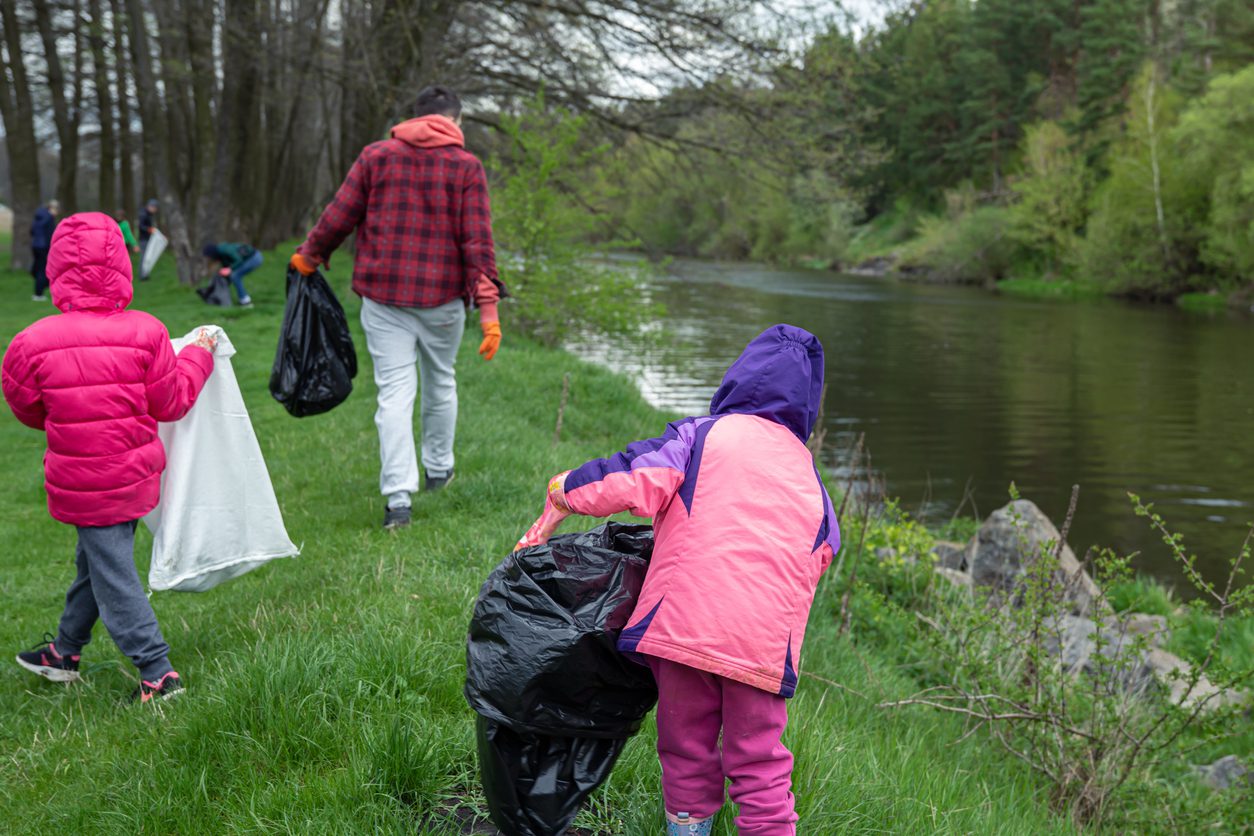
1. Fosters Social Skills and Builds Relationships
Community involvement provides children with numerous opportunities to interact with peers and adults outside of their usual social circles. These interactions help children develop essential social skills, such as communication, empathy, and cooperation. By working together on community projects, children learn how to build and maintain relationships, navigate social dynamics, and understand different perspectives. These experiences are invaluable in helping them become well-rounded, socially adept individuals.
2. Instils a Sense of Responsibility and Leadership
Participating in community activities teaches children about responsibility and accountability. When they take part in projects or volunteer work, they learn the importance of commitment and follow-through. Children who are given responsibilities in these settings often develop a sense of pride and ownership in their work. Furthermore, community involvement often presents opportunities for children to take on leadership roles, whether it’s organising a charity event, leading a team project, or mentoring younger peers. These experiences can boost their confidence and leadership skills, preparing them for future challenges.
3. Enhances Academic and Practical Skills
Community involvement can complement and enhance a child’s academic education. Activities such as organising events, participating in local government, or volunteering at community centres require skills like planning, problem-solving, and critical thinking. These practical applications of their academic knowledge can deepen their understanding and retention of what they learn in school. Additionally, children can acquire new skills and knowledge that may not be covered in the classroom, such as financial literacy, environmental awareness, and civic responsibility.
4. Promotes Civic Engagement and Awareness
When children are involved in their communities, they gain a greater understanding of the world around them. They learn about the importance of civic engagement, the impact of their actions, and the value of contributing to the common good. This awareness can foster a lifelong commitment to active citizenship and community service. Children who are engaged in their communities are more likely to become informed and involved adults who vote, volunteer, and advocate for positive change.
5. Boosts Mental and Emotional Wellbeing
Being involved in community activities can significantly boost a child’s mental and emotional wellbeing. These activities provide a sense of belonging and purpose, which is crucial for a child’s self-esteem and overall happiness. Engaging with the community can also be a source of joy and satisfaction, as children see the tangible results of their efforts and the positive impact they have on others. Additionally, community involvement often encourages physical activity and outdoor participation, which are beneficial for both physical and mental health.
Community involvement is a powerful tool for helping children grow into responsible, compassionate, and capable adults. It offers a wealth of benefits, from enhancing social and academic skills to fostering a sense of responsibility and civic awareness. By encouraging your child to get involved in community activities, you are not only helping them develop important life skills but also nurturing their sense of belonging and purpose. Start exploring opportunities for community involvement today and watch your child thrive in ways you never imagined.
