You’ve done the diet. You’ve done the workouts. And still, something looks different, not in a way anyone talks about, but in a way you notice every time you get dressed. Pregnancy and breastfeeding change the body in ways almost no one warns you about, and for a lot of women, those changes don’t just reverse once the baby stage ends. If you’ve felt like you’re the only one noticing, you’re not. You’re just the only one saying it out loud.
According to a survey by the American Society of Plastic Surgeons, women between the ages of 31 and 45 were by far the most likely to request popular procedures such as breast augmentations, after a stage of life that, for many, overlaps directly with the years spent pregnant and breastfeeding. For women in Beverly Hills considering their options, breast augmentation has become one of the most sought-after ways to address exactly this kind of change.
Here are five reasons mothers commonly cite when making this decision.
1. Restoring Lost Breast Volume After Pregnancy and Breastfeeding
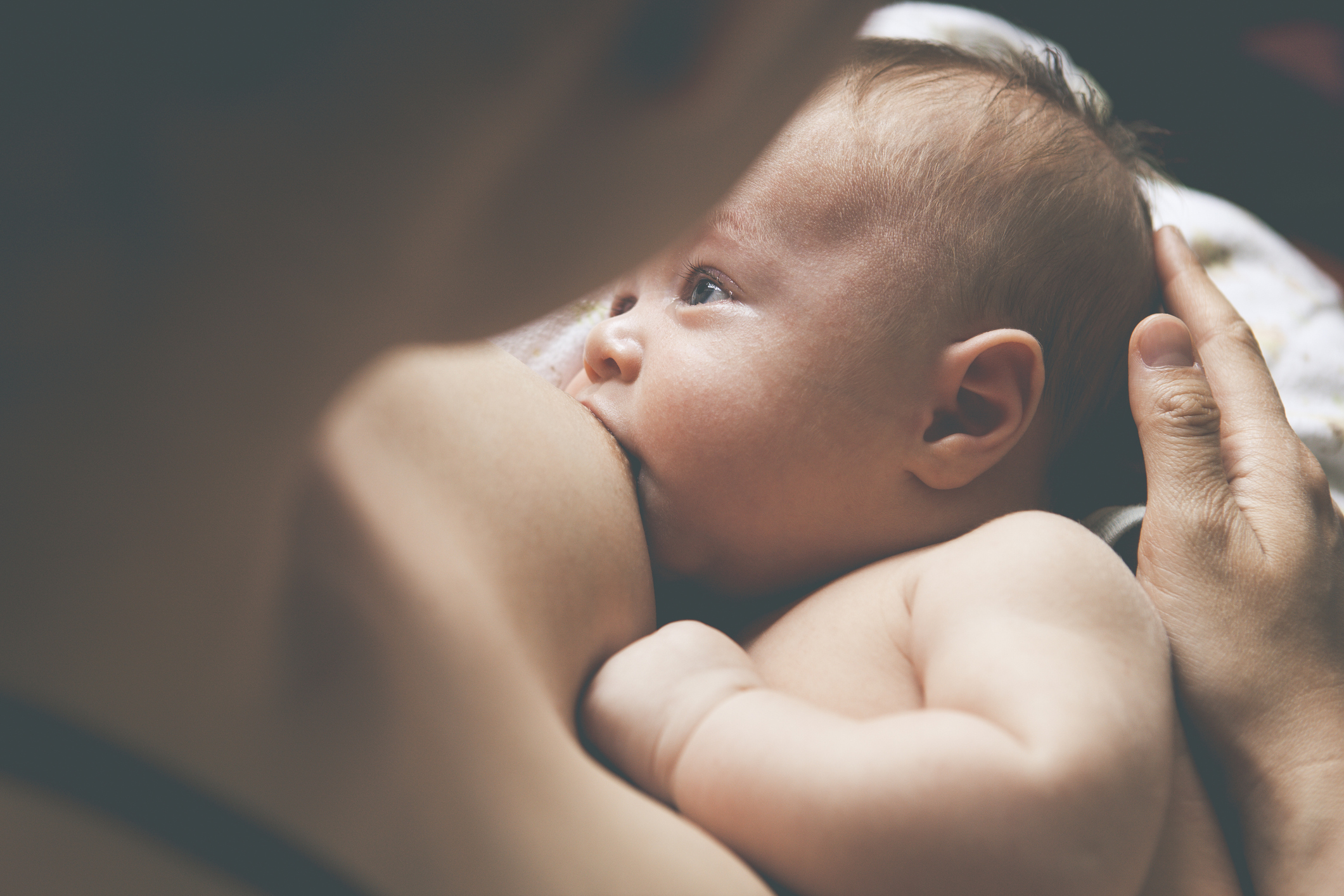
The most commonly cited reason mothers pursue augmentation is straightforward: restoring fullness that diminished during and after breastfeeding. Many describe a deflated appearance that doesn’t reflect how they looked before pregnancy, even after their weight has returned to a pre-pregnancy baseline. This kind of volume loss is a natural result of breast tissue changes during nursing, not something diet or exercise can meaningfully reverse.
It’s worth noting that outcomes vary significantly between individuals, and a consultation with a board-certified plastic surgeon is the only way to understand what’s realistically achievable for a specific body and set of goals. What one woman’s body needs to restore that pre-pregnancy fullness can look quite different from what another requires, even with similar starting points. This is exactly why a personalized evaluation matters more than comparing results across different patients.
2. Improving and Enhancing Breast Shape and Symmetry
Uneven changes between breasts are common after nursing, particularly when a baby favored one side over the other. This kind of asymmetry can be difficult to disguise with clothing, and it typically shows up in a few recognizable ways.
- Volume differences between breasts: one side appearing noticeably fuller or flatter than the other after nursing ends, often because one breast produced more milk or was used more frequently during feeding
- Uneven positioning or sagging: one breast sitting lower or drooping more than its counterpart, a difference that becomes more pronounced as skin elasticity changes over time
- Shape irregularities: a change in overall contour that doesn’t match between sides, even when volume loss is similar, sometimes leaving one breast looking rounder while the other appears more elongated or deflated
- Nipple or areola asymmetry: differences in size, shape, or position that developed gradually during breastfeeding and don’t reliably correct themselves afterward
This is one of the more frequently raised concerns during consultations for breast augmentation in Beverly Hills, since it’s a structural change rather than something that resolves over time on its own. Galanis Plastic Surgery approaches these consultations with an emphasis on individualized planning, since the degree of asymmetry and the appropriate surgical approach differ meaningfully from one patient to the next.
3. Feeling More Confident in Clothing and Swimwear
For many mothers, the practical frustration shows up in the fitting room. Clothing that once fit well may no longer sit the same way, and swimwear in particular tends to highlight changes that are easier to overlook day to day. A dress that used to hang a certain way now sits differently, or a bra that fit perfectly before pregnancy no longer offers the same shape, leaving many women quietly avoiding certain styles rather than dealing with the disappointment.
While this may sound like a superficial concern, it often reflects something deeper, a persistent sense of disconnect between how a woman feels and how she sees herself reflected back, which can quietly affect confidence in a range of everyday situations. That discomfort doesn’t always announce itself dramatically; it shows up in small moments, like hesitating in front of a mirror or opting out of a swimsuit shopping trip altogether, that add up over time.
4. Addressing Changes That Diet and Exercise Can’t Reverse
A significant source of frustration for many mothers is putting genuine effort into fitness and nutrition, seeing results across most of the body, and finding that breast tissue changes simply don’t respond the same way. This isn’t a failure of effort; it reflects a biological reality that no amount of additional discipline can override.
- Breast tissue itself doesn’t respond to exercise: unlike muscle, the tissue that gives breasts their fullness can’t be rebuilt through workouts targeting the chest
- Volume loss during breastfeeding is structural: glandular tissue shrinks after nursing ends, and that reduction doesn’t reverse with weight gain or loss elsewhere
- Skin laxity develops independently of fitness level: stretched skin from pregnancy and nursing doesn’t regain its original elasticity simply because the rest of the body has toned up
- Weight loss can worsen the appearance rather than improve it: losing fat elsewhere sometimes makes remaining breast volume loss more noticeable, not less
Understanding this distinction often helps women stop blaming themselves for a result no amount of additional effort was ever going to produce.
5. Personal Rejuvenation After Years Focused on Everyone Else
Many mothers describe this decision less as a cosmetic choice and more as a moment of reclaiming something for themselves after years spent almost entirely focused on children’s needs. After the sustained demands of pregnancy, nursing, and early parenting, choosing something purely for oneself can carry real personal significance. For many women, it’s one of the first decisions in years that isn’t shaped primarily around someone else’s needs.
This motivation comes up frequently in consultations, and it’s worth taking seriously rather than dismissing it as vanity. Feeling more like yourself again is a legitimate reason to consider a procedure, provided the decision is made with realistic expectations and proper medical guidance. What matters most is that the choice comes from genuine personal reflection, not pressure or comparison to anyone else’s experience.
Tips for Planning Surgery With a Busy Family
Recovery logistics are a genuine concern for mothers managing a household, and planning ahead makes a significant difference:
- Arrange help early: line up childcare and household support for the first one to two weeks, when lifting restrictions are strictest
- Time it strategically: many mothers schedule surgery around school terms or a partner’s available time off
- Follow lifting limits seriously: restrictions on lifting young children are among the most important recovery instructions to respect
Discussing these practical realities openly during a consultation helps a surgeon set realistic expectations for a recovery timeline that actually fits a mother’s daily life.
Conclusion
Choosing whether to pursue breast augmentation after having children is a personal decision, and there’s no universally right answer. What matters most is that the choice reflects your own goals rather than external pressure and that it’s made with a clear, medically grounded understanding of what the procedure can and can’t accomplish.
A thorough consultation with a board-certified plastic surgeon, including an honest conversation about risks, recovery, and realistic outcomes, is the essential first step. Whatever a woman ultimately decides, making that decision from a place of genuine information rather than assumption is what allows it to feel right for years afterward.