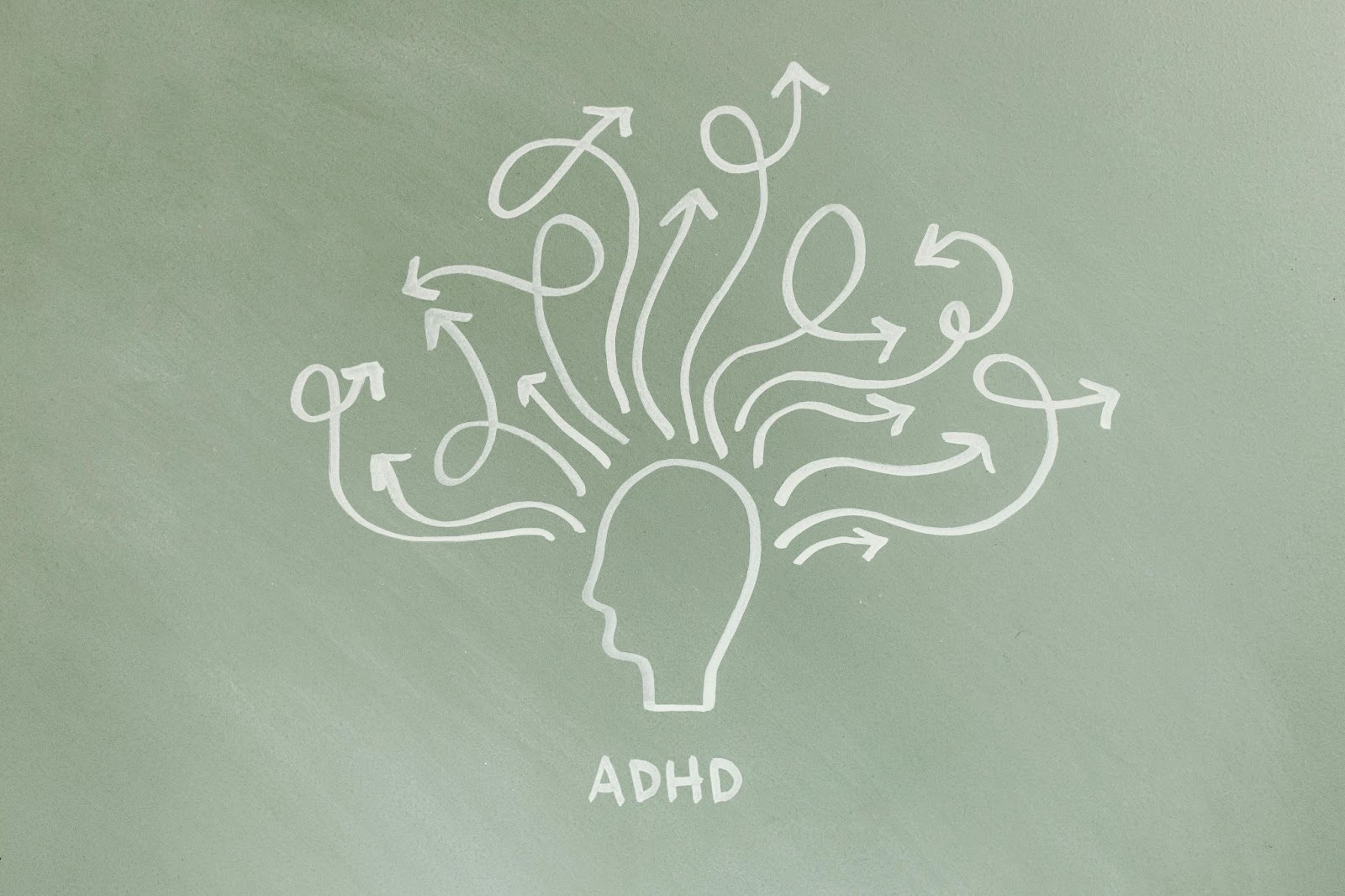
Think your child may have ADHD? Attention Deficit Hyperactivity Disorder is a neurodevelopmental condition that affects about 5% to 7% of kids worldwide. Knowing the signs of this condition as a parent is important for making sure that your child gets the right support at home and at school;. It is not just a case of ‘being hyper’ or ‘not paying attention’ – this post explains more as to exactly what ADHD is and how/when to consider getting your child tested.
The core signs of ADHD
ADHD typically falls in three categories: predominantly inattentive, predominantly hyperactive-impulsive, or combined. Signs often appear before the age of 12. Below are some of the most common indicators to look out for:
Inattention signs
Kids with ADHD often struggle to maintain focus, which can lead to clumsy mistakes or tasks being left unfinished. Look out for individual signs such as:
- Trouble maintaining concentration: This includes being distracted by noises, getting caught up in daydreams or losing their trail of thought during conversations.
- Forgetfulness: Are they often losing toys or school supplies, or forgetting instructions or tasks that they are supposed to be doing?
- Difficult organizing: Kids with may ADHD struggle to make plans, manage time or follow multi-step instructions.
- Avoiding sustained activities: ADHD can make it hard to focus on activities like puzzles or reading for long periods.
Hyperactivity signs
Hyperactivity involves inability to focus one’s energy appropriately. This can show up in many different forms including:
- Fidgeting/squirming: Kids with ADHD can sometimes struggle to sit still – constantly playing with objects, swaying or tapping feet.
- Talking non-stop: This could include blurting out answers in class, interrupting others or inability to stop chattering in quiet settings.
- Inability to play quietly: Play time can often be quite explosive – kids with ADHD may find it hard to stay quiet and may constantly want to run around.
- Energy crashes: Kids with ADHD may get exhausted more easily due to constantly expending energy and trying to focus, leading to naps in inappropriate places even as they get older.
Impulsivity signs
Kids with ADHD are also very impulsive, acting without thinking about consequences. This can include behaviours such as:
- Interruption: Kids with ADHD often may have difficulty waiting their turn in conversations.
- Impatience: They may also skip queues or be unable to wait for their turn in games.
- Greater risk-taking: Kids with ADHD are less concerned by risks, causing them to get into dangerous situations.
- Emotional outbursts: Trouble holding in one’s emotions can lead to tantrums and visible frustration – especially when forced to wait for things.
Getting an official ADHD diagnosis
If your child is displaying these signs and suspect they may have ADHD, it could be time to get an evaluation done. You can do this by consulting your child’s doctor or by arranging a private ADHD assessment.
This assessment will involve behavioral questionnaires and observations that can help to assess the signs, while also ruling out other conditions like anxiety or learning disabilities. Input from parents and teachers may also be required.
The importance of an official diagnosis
An official diagnosis is key to accessing behavioural therapy, medication and school accommodations. These could be crucial to help your child not get held back by their condition.
While those with milder cases may be able to thrive without this extra help, it is important to understand when this condition is negatively affecting their development. Even if you’re not sure whether they have ADHD, an assessment could be worth taking just to clarify whether or not they have this condition.