When you’re trying to improve your garden, adding a tree can bring a lot of style, real utility, and even improve the value of your home. However, you shouldn’t simply choose the first one that catches your eye and plant it anywhere without planning. You should carefully consider your choice of tree, as it can determine what it really brings to your garden, as well as the potential problems that can await you down the line. Here are a few points worth thinking on.
Consider Your Local Climate
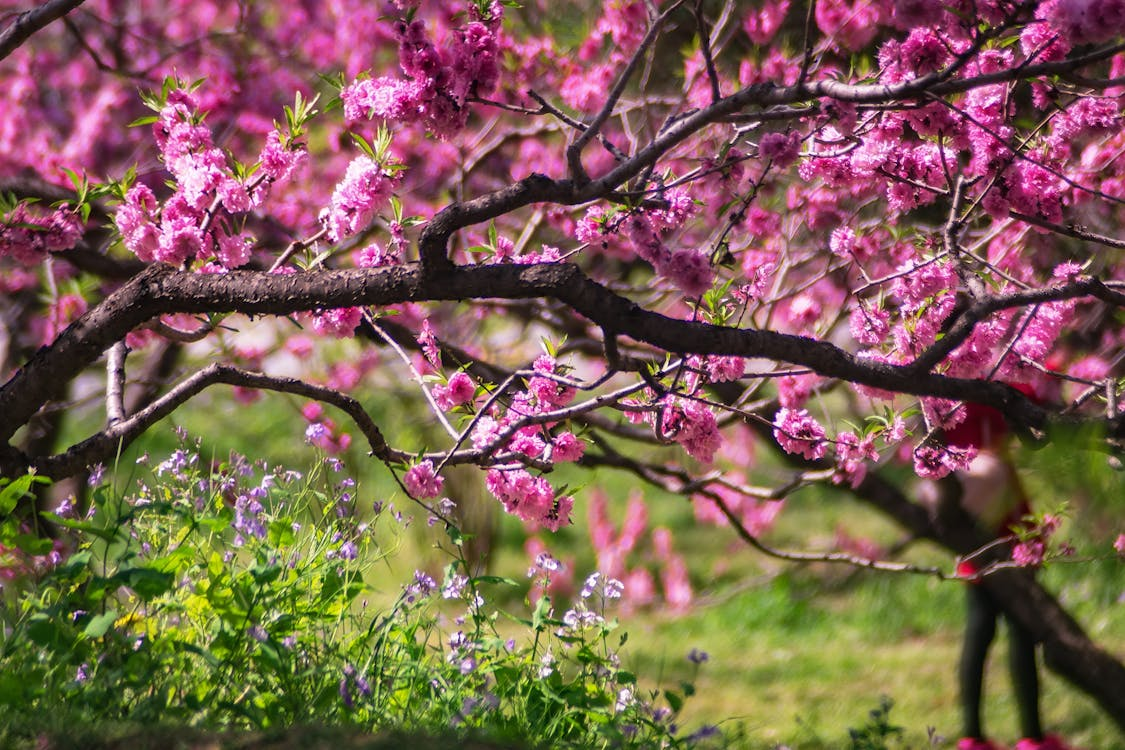
The climate of the area you live in is one of the first things you should think about, whatever type of plant you’re growing, including trees. The further away the climate type of the tree’s origin, the more work you’re likely going to have to put in to take care of it. There are tools like the Hardiness Zone map that can help you see which trees might better suit your area, for instance, whether you deal with high summer heat or winter lows. For colder regions, hard species like Sugar Maple might do better, while heat-tolerant species like Southern Magnolia do better with warmer climates.
Get To Know Your Soil Type
Location matters, but you should get even more specific when it comes to suitability, looking as deep as your soil composition. Your garden might have sandy coastal soil, heavy clay, or inland ground. These can affect things like drainage, nutrient contents, and moisture retention, each of which can affect different types of trees differently. For instance, if you have clay soil that retains more moisture, then root rot can be a common problem for many tree types, while some species, like swamp paperbark, might not have as much trouble. With a soil test, you can work out your pH levels and nutrient content. Whether you decide to pick a tree well-suited to that soil type or amend the soil yourself, the right match measures easier growth and less maintenance.
Consider The Space You Have
One common mistake that people make with their trees is how much they can truly grow when they reach maturity. Not giving them enough space can lead to overcrowding, forcing you to prune them more often, or perhaps even problems with the neighbors if they start growing over boundaries. Take the time to get to know the full expected size of the tree, including canopy spread and root systems. Don’t get tricked by the tree’s size at purchase. If you have a smaller garden, you might still be able to easily fit in a lilly pilly or dwarf crepe myrtle to green up the space without overwhelming it, for instance. Make sure that you allow adequate spacing for healthy airflow and shape development, whatever species you pick.
Consider Sunlight Exposure Throughout The Day
When you’re planting a tree, putting it in sunlight allows you to create gorgeously shaded areas, which can be perfect for relaxing and using the garden for longer throughout the day, especially when it gets hot. However, you also want to make sure that it gets as much sunlight as it needs throughout the entire day. Observe the garden to watch the angle of sunlight, seeing how many hours each area gets. If a tree remains shaded for too long during the day, it can affect its flowering, canopy density, and even its long-term health. Some plants, like tree ferns, do work better with shadier gardens, but again, it’s about finding the right match.
Consider The Purpose Of The Tree
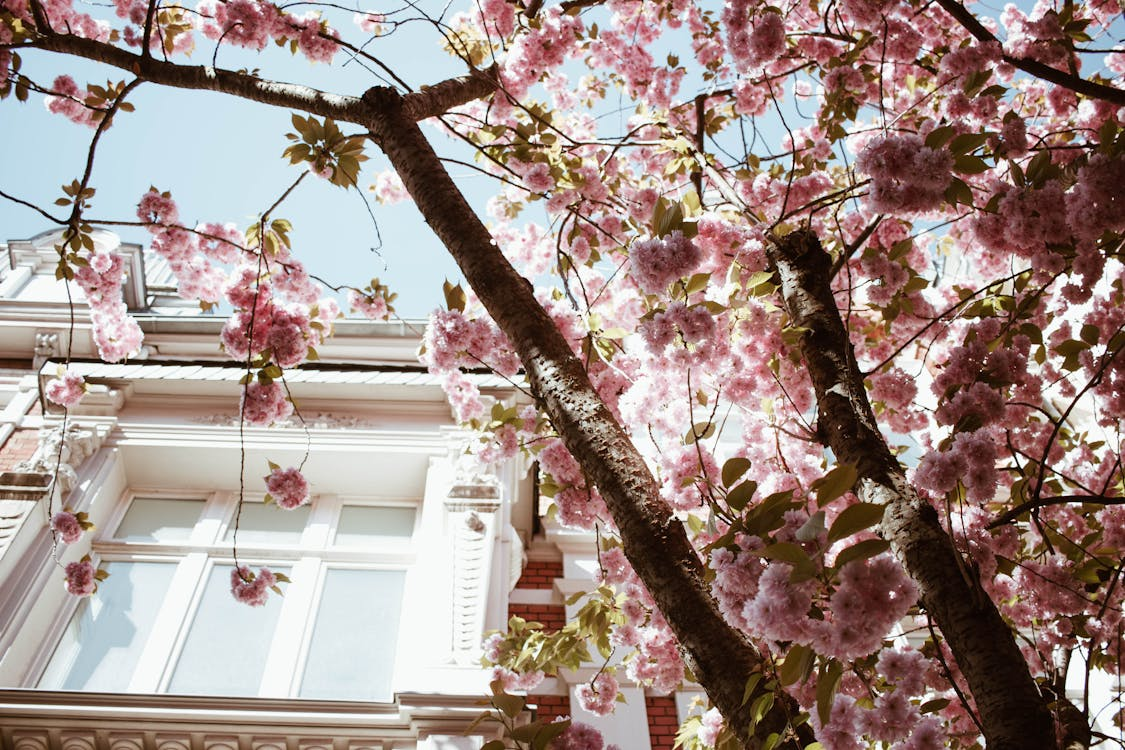
When you’re choosing a tree, you should think about what role it’s going to play in your garden. If you’re looking for one that provides cooling shade, then broad-canopy types like plane trees can be wonderful for dealing with that summer heat. If you want something more ornamental, then flowering varieties like gum or magnolia trees can add a lot more visual depth to the space. For others, supporting local wildlife can be a big deal, and sites like Speciality Trees can point you to bird-attracting species like the bella pink brachychiton. Choosing a tree with a clear purpose can ensure that you’re getting precisely what you want, both aesthetically and functionally, making the perfect focal point, habitat provider, living space enhancer, or otherwise.
Mind Your Nearby Structures And Utilities
In part related to the space and location choice mentioned above, you have to consider how your tree choice might affect nearby buildings, driveways, plumbing, powerlines, and more. Trees with large root systems might not suit spaces where there are foundations and underground pipes all around. Meanwhile, tall species might not be best suited for properties with powerlines over them. Always check for underground utilities before planting, as otherwise, you might have to end up removing the tree as well as paying for costly repairs to your plumbing, or even repairing the foundation of the home. The right tree size and root behavior make a huge difference.
How Much Maintenance Are You Willing To Do?
Every tree comes with some degree of maintenance and cleanup. Cleaning up their leaves, flowers, bark, and fruit is all part of the job of taking care of them. However, the choice of species makes a big difference in how much work it’s going to require, exactly. If you’re choosing a species with heavy leaf and flower drop, like jacaranda, then you might want to invest in some tools for upkeep, like a decent leaf blower or leaf vacuum. Evergreen options like lilly pilly have less seasonal debris, which can make them easier to clean up after. This can be especially important if they’re near pools, as otherwise, you might find yourself going out much more frequently with the skimmer.