As a new parent, you might find yourself constantly dealing with new developments. Those first weeks and months can go by in a literal blur for a lot of parents. During that blur, you’re going to find yourself running low on supplies all the time, which can make things a little more stressful. As such, having an idea of which supplies you’re going to need regularly, and how to choose the right ones, can be hugely helpful. Here, we’re going to look at some of the most common purchases you might need to make, and a few things to keep in mind when picking them.
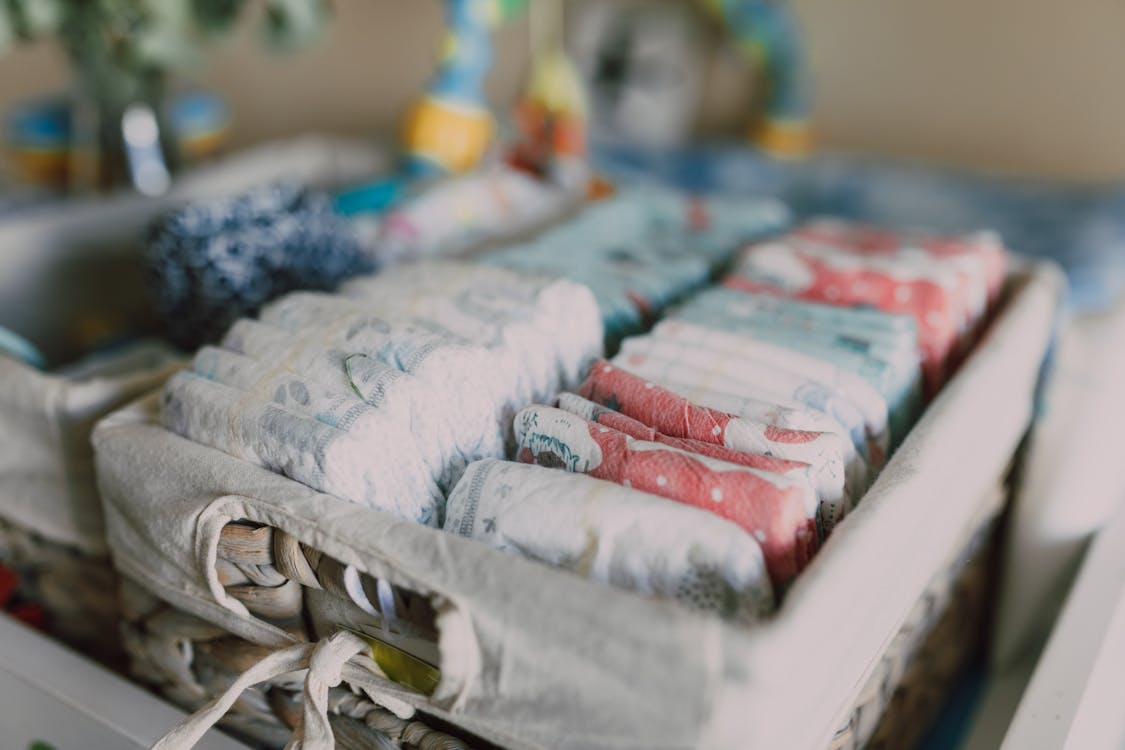
Diapers
There’s no essential that’s more essential than a good brand of diapers. As the most-used baby supply, you want to make sure you get the first ones. Fit is the most important factor, as you want it to fit snugly to avoid leaks or blowouts, but you also want it not to be so tight as to cause red marks or constant rashes. While added fragrances might make them a full diaper less unpleasant to deal with, some babies are sensitive to them, so you need to keep an eye out and switch to fragrance-free, lotion-free varieties to see if a skin condition responds. Of course, be ready to check regularly for when you need to resize. Babies grow quickly, but there are diapers of all sizes to accommodate them.
Wipes
Baby wipes are there to help clean up messes, no matter where they happen. As sensitive and thin as a baby’s skin is, your choice of wipes does not need to have any heavy chemicals. They should be fragrance-free, alcohol-free, and designed with sensitive skin in mind. Many parents prefer to stick to water-based wipes, especially for babies who are prone to rashes. Thick and soft is good, reducing friction and making cleaning a lot easier. When you’re wiping the diaper area, wipe gently from front to back, and let the area dry before putting on a new diaper.
Diaper Rash Cream
A lot of babies experience diaper rash, so it’s a good idea to be prepared for it, even if you’re really on the ball about getting them changed and cleaned as soon as they have an incident. Good diaper rash creams not only help to soothe the area, but also create a protective barrier that can prevent many cases, as well. Zinc oxide is the chief ingredient that you should be looking for. For daily use, a relatively thin barrier is enough, but when they go to sleep, a more generous layer can be the added protection they need. Again, do avoid any strong fragrance or unnecessary additives. You should also learn about the different types of diaper rash, as other factors, such as food choices and yeast infections, can exacerbate them and typically require a different method of treatment.
Hair And Scalp Products
Most babies don’t exactly have a ton of hair in those early months, but even if they do, they don’t need any complex hair care routine. For newborns, make sure you specifically choose newborn hair products, but even as they get a little bigger, you should opt for simple shampoos and scalp products that don’t have huge ingredient lists. If a shampoo is mild and tear-free, it’s good enough; it doesn’t need any fragrance or heavy styling products. You tend not to want to wash your baby’s hair too much, as it can cause cradle cap. Two to three times a week is typically enough.

Skincare Products
Baby skin is very sensitive, but it also loses moisture pretty easily, so it’s important to give it a little more routine care. You should use baby moisturizer every day, especially when the air is dry, such as during the winter. Thick creams and ointments tend to work better than thin lotions, which can evaporate more easily and tend to have more preservatives and fragrance, which can be reaction triggers. It’s best to apply moisturizer after bathing your baby, as that’s when the skin is most hydrated and it’s easiest to lock in that moisture. If your baby has chronic skin conditions, such as eczema or psoriasis, it might be worth getting in touch with a baby dermatologist to see if medicated products might help them, too.
Clothing Detergent
Just as you should be mindful of any products that come into direct contact with your baby’s skin, you should be think about those that can linger on their clothes, as well. A lot of laundry detergents can pose a hidden risk of skin irritation. As such, you should look out for those detergents that are specifically labeled as being made for babies or sensitive skin. Like other products, they should be fragrance-free, as well as dye-free. As a general rule, you should also take care to wash any new clothes, bedding, towels, or cloths that you use with the baby, as they can carry some chemicals from the manufacturing process when you first buy them.
Medications
Although you shouldn’t be ready to jump the gun and medicate your baby over every hiccup or rash, you should at least have a few basic medicines for the more common discomforts your baby might face. Baby paracetamol is commonly used for fevers and pains, especially after they have their vaccinations. Be extra careful to follow their instructions, which will usually dictate amounts to give based on the age and weight of your baby. Make sure that you deliver any medicines with the syringe provided in the pack, rather than with a household spoon. Saline drops and a digital thermometer can make for good additions to your baby’s medical kit, as well. Never given them medicines intended for adults or older children unless specifically told to by their doctor.
Over time, you’re likely to find your old reliables and your favorites. Don’t feel like you have bulk buy all of them constantly. Your baby will keep growing, and you’re likely to shift to some new choices in a few months’ time.