Your liver processes hundreds of chemical reactions every single day, and most of them depend on one molecule above all others: NAD, or nicotinamide adenine dinucleotide. It’s a coenzyme your cells can’t do without, energy production, DNA repair, the breakdown of toxic substances all run through it. The headache is that NAD levels fall naturally with age, and they drop even faster in people who drink regularly, live with chronic stress, or carry metabolic conditions. As NAD falls, the liver’s capacity to neutralize harmful compounds falls with it. If you’re looking at interventions that work at the cellular level rather than the surface, understanding what NAD injections actually do for detoxification and liver health is worth your time. This article covers what NAD does in the body, how it connects to liver detox, and what current research genuinely says about hepatic function and oxidative stress.
What NAD Actually Does in the Body
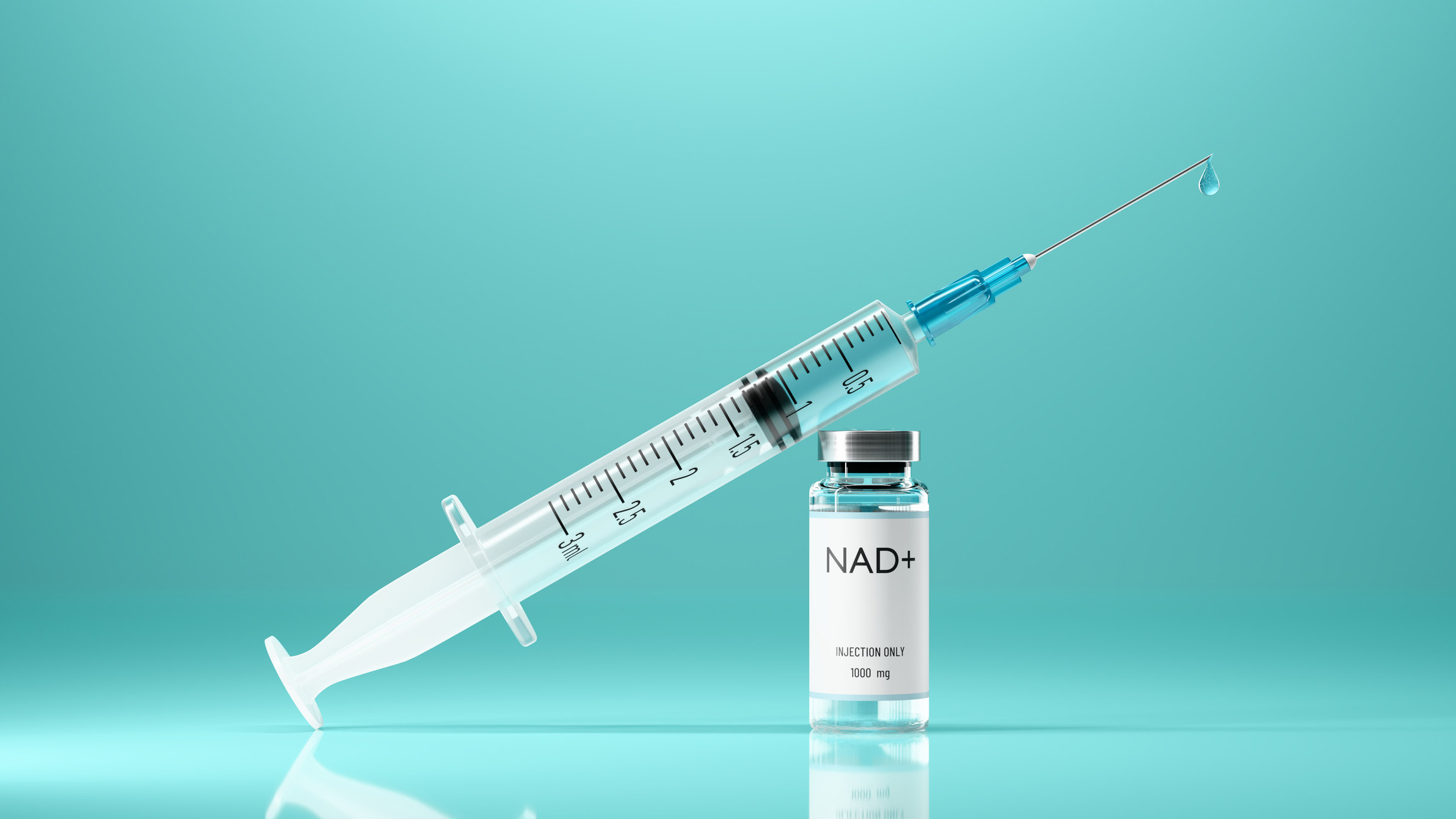
Most people underestimate how wide the cellular role of NAD really is. NAD shots bypass the digestive absorption ceiling that limits oral supplements, which is one reason this route is often discussed separately from oral NAD precursors. That distinction matters because the liver is one of the most energy-hungry organs in the human body. It runs oxidative phosphorylation continuously, so it needs a steady NAD supply just to keep mitochondria functioning. NAD depletion in liver tissue has been linked in some research to impaired fat metabolism and reduced mitochondrial performance, both of which appear early in non-alcoholic fatty liver disease. The body can synthesize NAD from dietary precursors like tryptophan and niacin, but that synthesis is slow and may not keep pace with what a stressed or damaged liver demands. That gap is part of why direct NAD administration comes up in this context.
NAD’s Role in Cellular Energy and Repair
NAD exists in two forms – NAD+ and NADH – and the ratio between them determines how efficiently your cells generate energy. NAD+ is the oxidized form; it acts as an electron acceptor in the metabolic reactions that break down glucose and fatty acids. Inside the liver, that process runs without pause, because the organ has to metabolize nutrients arriving from the digestive tract via the portal vein while simultaneously handling incoming toxins. NAD+ also activates a class of proteins called sirtuins, including SIRT1 and SIRT3, which govern inflammation, fat storage, and oxidative stress responses in hepatic cells. A 2020 study in the journal Hepatology demonstrated that sirtuin activation in mice with diet-induced fatty liver produced measurable improvements in liver enzyme profiles alongside a reduction in hepatic lipid accumulation. The evidence is largely preclinical at this stage – calling it proof of the same effect in humans would be inaccurate – but the mechanistic logic holds across mammalian systems, and human trials are ongoing.
Why NAD Levels Drop Over Time
Several biological and environmental factors pull NAD down faster than your body can replenish it. Age is the most consistent driver; a 2012 study in Cell found that NAD+ concentrations drop by roughly 50% between young adulthood and middle age in mice, with comparable trends in human blood samples. But alcohol use is an even sharper accelerant. Ethanol metabolism inside the liver converts NAD+ to NADH at a very high rate, shifting the NAD+/NADH ratio in a direction that inhibits gluconeogenesis, disrupts fatty acid oxidation, and lets fat accumulate in hepatic cells, which is partly why chronic alcohol use leads to fatty liver so consistently. Inflammation from obesity, insulin resistance, and chronic infections also consumes NAD through a separate pathway involving the enzyme CD38, which degrades NAD+ as part of the immune response. And if you have more than one of these factors running at the same time, the depletion compounds quickly.
How NAD Injections Connect to Liver Detoxification
The liver runs detoxification in two distinct phases, and NAD plays a direct role in keeping both of them operational. Look, most detox-related claims in wellness marketing orbit vague ideas about “flushing” the body, but the actual biochemistry is specific and well-documented. Detox isn’t passive. It requires enzymes, energy, and reducing agents, and NAD sits at the intersection of all three. Your liver transforms fat-soluble toxins (drugs, alcohol metabolites, environmental pollutants, hormones) into water-soluble compounds your kidneys can excrete, and that conversion depends on oxidation and reduction reactions that use NAD+ and NADH as electron carriers. Restoring adequate NAD levels gives the liver the cofactor supply it needs to run these reactions at full capacity. The strongest evidence for this comes from alcohol use disorder treatment, where intravenous NAD has been used clinically since the 1960s with documented reductions in withdrawal severity and liver enzyme normalization.
The Liver’s Two-Phase Detoxification Process
Phase I detoxification uses cytochrome P450 enzymes to oxidize, reduce, or hydrolyze toxic compounds. These enzymes are energy-intensive and generate reactive oxygen species – unstable molecules that can damage liver cells when antioxidant defenses aren’t keeping up. NAD+ fuels the energy side of Phase I directly. Phase II detoxification then conjugates those intermediate compounds with molecules like glutathione, glucuronic acid, or sulfate, making them water-soluble enough to exit via urine or bile. Glutathione synthesis – central to Phase II, depends on NADPH, the phosphorylated form of NADH generated through the pentose phosphate pathway. So NAD doesn’t just power Phase I; it also supplies the reducing equivalents that Phase II can’t function without. A 2019 review in Frontiers in Pharmacology noted that NAD precursor supplementation in animal models consistently improved markers of both detox phases, though the authors called for larger randomized human trials before drawing clinical conclusions. That distinction is worth holding on to.
NAD and Oxidative Stress in Liver Tissue
Oxidative stress is what happens when reactive oxygen species pile up faster than your antioxidant systems can clear them. In the liver, it’s a major driver of inflammation and fibrosis – the scarring that defines advanced liver disease. NAD supports the antioxidant response through two main channels. First, it activates PARP enzymes that repair oxidative DNA damage in hepatic cells. Second, it feeds into the glutathione cycle by sustaining NADPH availability for glutathione reductase, the enzyme that recycles oxidized glutathione back to its active form. A 2021 clinical study in the Journal of Clinical Investigation found that NAD+ precursor supplementation in adults with metabolic dysfunction significantly reduced markers of oxidative stress – including 8-isoprostane and malondialdehyde, over a 12-week period; the reductions correlated with improvements in liver enzyme levels, ALT and AST, pointing to a real connection between NAD status and liver inflammation in humans. That’s meaningful data. Not just theory.
Conclusion
NAD supports detoxification and liver health through several specific, measurable mechanisms – it fuels the energy demands of Phase I and Phase II detox reactions, activates sirtuin proteins that dial down hepatic inflammation, and maintains the antioxidant recycling systems that shield liver cells from oxidative damage. NAD levels fall with age, alcohol use, and chronic inflammation, and that decline directly limits how well the liver can perform these functions. Injections offer a faster route to restoring those levels than oral supplementation, and the early clinical evidence – particularly from metabolic and addiction medicine research, points toward real benefits for liver enzyme normalization and oxidative stress reduction. Honestly, this is an area where the science is more grounded than typical wellness claims would suggest. That said, NAD therapy isn’t a substitute for medical care, and anyone with existing liver disease should talk to their physician before starting any supplementation protocol.