Family memories have a funny way of disappearing just when you think you will always remember them. A story told at dinner, a photo tucked into a drawer, a child’s drawing held together with tape – these things matter deeply, but they are also easy to lose in the rush of everyday life.
Preserving family memories is not just about saving old pictures. It is about protecting the people, moments, and stories that shape your family’s identity. Done well, it becomes a gift that grows more valuable over time.
Why Family Memories Matter More Than We Realize
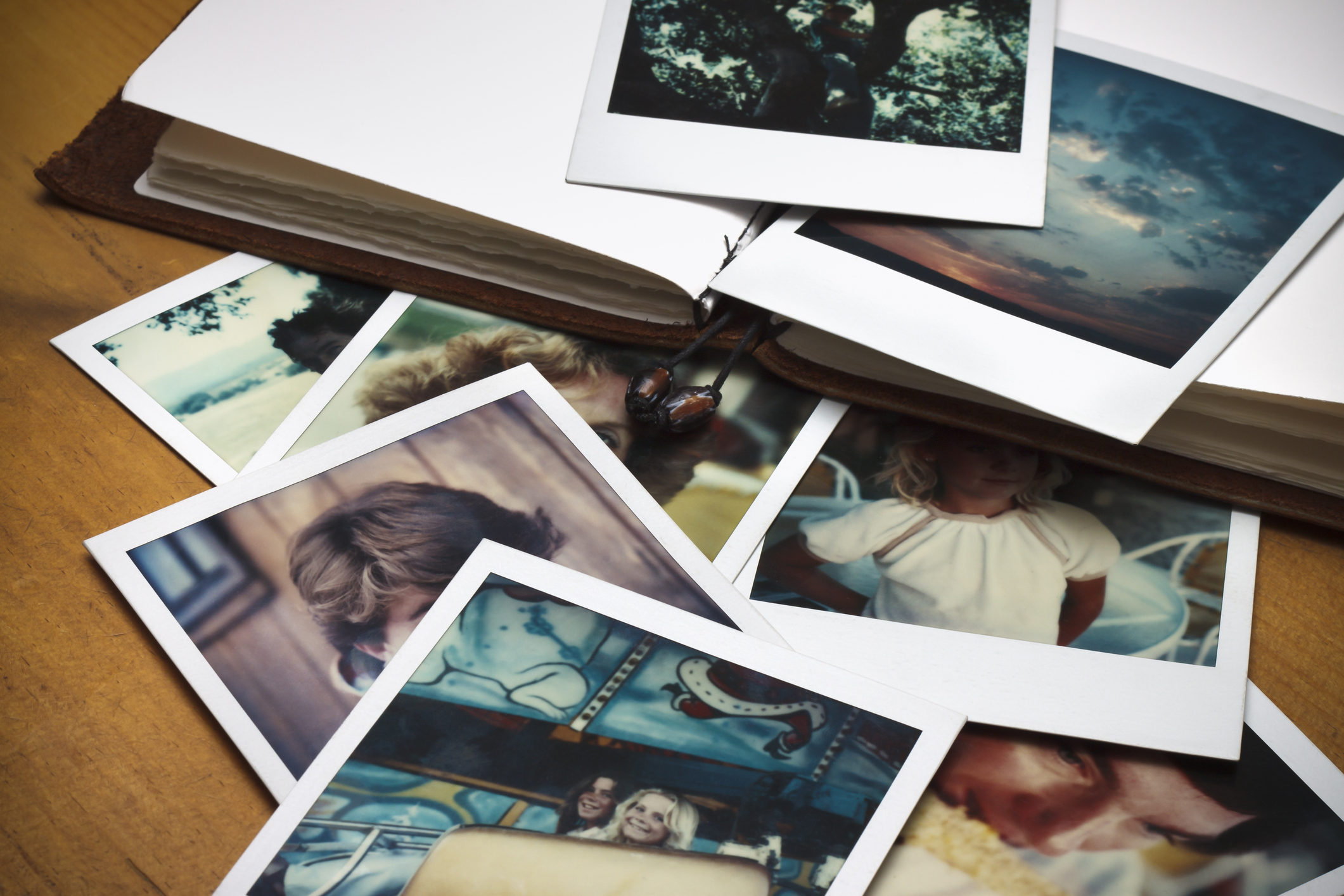
Most families have boxes, phones, and hard drives full of images, voice notes, and keepsakes.
The problem is not usually a lack of memories – it is that they stay hidden, scattered, or incomplete. When memory lives only in random places, it is harder to pass down with meaning.
Family memory preservation gives context to your life. It helps children understand where they come from, and it gives older generations a way to feel seen and remembered. A preserved memory is not just stored – it is shared.
Start With the Stories, Not Just the Stuff
It is tempting to begin with the physical items: photos, letters, recipes, and school projects.
Those things are important, but the story behind them is what makes them truly valuable. A photo of your grandmother baking is lovely, but knowing what she said while baking, or who taught her the recipe, makes it unforgettable.
Try asking questions while people are still here to answer them. What was childhood like? What family traditions mattered most? Which moments changed the way they saw life? These answers often become the heart of a meaningful family archive.
If you want a polished way to combine photos and stories, creating a family magazine can be a beautiful option. It turns memories into something people will want to open, read, and keep.
Choose a Memory Format That Fits Your Family
There is no single right way to preserve family memories. The best method is the one your family will actually use. Some people love digital storage because it is easy to back up and share. Others prefer printed albums, framed photos, memory books, or archive boxes.
Digital preservation works well for scale
If you have thousands of images or videos, digital storage is a practical place to begin. Cloud storage, organized folders, and clearly labeled files make it easier to find things later. The key is consistency. A picture named “IMG_2047” will not help you much in ten years.
Printed keepsakes make memories tangible
Printed items have a kind of permanence that digital files cannot match. Albums, photo books, letters, and memory journals can live on shelves and coffee tables instead of disappearing into a device. A physical object often invites conversation, which helps the memory stay alive.
A balanced approach usually works best. Store the originals safely, but also create something beautiful that can be enjoyed now.
Organize Before You Preserve
One of the biggest mistakes people make is trying to preserve everything at once. That usually leads to overwhelming and unfinished projects. A simpler approach is to sort by importance and emotional value.
Start with a small category, such as one family branch, one year, or one major event. Then decide what deserves to be saved, scanned, printed, or written down. If you can identify the people, place, and date, you are already preserving more meaning than most people do.
This is also the right time to label everything clearly. Names, dates, locations, and short notes are often what future generations appreciate most. A beautiful photo with no context can feel strangely distant later on.
Make Memories Beautiful Enough to Be Kept
People are more likely to keep something that feels special. That does not mean it has to be expensive or overly polished. It means giving the memory a thoughtful presentation that respects its value.
Simple design choices can make a big difference. Use clean layouts, consistent fonts, and high-quality prints. Group images and stories in a way that feels natural rather than crowded.
Leave space for the memory to breathe.
Beauty matters because it signals care. When a memory is presented well, it becomes something people want to revisit instead of something they quietly set aside.
Include More Than Photos
Photos are powerful, but they only capture one layer of a life. Written memories, recorded voices, and everyday objects often carry just as much meaning. A recipe card in a parent’s handwriting can tell a richer story than a posed family portrait.
Consider preserving:
- Letters and cards
- Audio recordings of older relatives
- Handwritten recipes
- Children’s artwork
- Ticket stubs, programs, and travel notes
- Short interviews about family traditions
These small details bring texture to the bigger story of your family. They remind you that life is made up of ordinary moments, not just milestone events.
Preserve Memories While They Are Still Fresh
The best time to preserve a memory is close to the moment it happens. Waiting too long makes details blur. A child’s funny quote, the reason behind a family celebration, or the feeling of a reunion can be lost surprisingly fast.
Build a simple habit around capturing memories as they happen. Save photos in one place.
Write down quotes after family gatherings. Record a voice note when an older relative shares a story you have never heard before. Even five minutes of attention can protect something priceless.
Create a Family Archive That Works for Real Life
A family archive does not need to be museum-level perfect. It just needs to be usable. If it is too complicated, nobody will maintain it. If it is too fragile, people will avoid touching it. The best archives are practical, attractive, and easy to understand.
Think about how different people in your family will engage with it. A grandparent may enjoy a printed album. A teenager may prefer digital access. A parent may want something quick to update. The goal is to create a system that can grow without collapsing under its own weight.
Keep It Going Across Generations
Preserving family memories is not a one-time project. It works best as a habit that becomes part of family culture. That can mean collecting stories at holidays, updating albums each year, or setting aside time to organize old files every few months.
The more you treat memory-keeping as something normal, the easier it becomes for others to join in. Children learn that family stories matter because they see you protecting them. Over time, the archive becomes less like a storage project and more like a living part of the family.
Conclusion
Family memory preservation is really about love made visible. Whether you choose digital folders, printed albums, handwritten notes, or a beautifully designed keepsake, the important thing is to start. You do not need to save everything – just the moments that tell your family’s true story.
Begin with one box, one folder, or one conversation. Capture the stories while they are still being lived, and turn them into something lasting. Years from now, you will be glad you did.