Tooth crowding is one of the most common orthodontic issues that children experience as they grow. It happens when there isn’t enough room in the jaw for adult teeth to settle into their correct positions, causing them to overlap, twist, or grow at an angle. Although it might seem like a cosmetic concern at first, crowding can affect long-term dental health by making it harder to clean teeth properly, increasing the risk of plaque build-up and gum disease.
Understanding your options and making informed decisions can be empowering. When identified early, tooth crowding can be effectively managed through simple, gentle orthodontic steps. For parents who want to be actively involved in their child’s dental health, guidance from trusted children’s orthodontic professionals can make a world of difference, empowering them to make the best choices for their child’s future smile.

Understanding Tooth Crowding in Children
Tooth crowding typically begins during the transition from baby teeth to permanent teeth. Each baby tooth acts like a small placeholder, keeping a gap ready for its adult successor. When a baby tooth falls out too early—perhaps due to decay or injury—the surrounding teeth can drift into the space. Later, when the adult tooth tries to emerge, it has nowhere to go. The result? Crooked or overlapping teeth.
Genetics often play a part, too. A child may inherit a small jaw from one parent and larger teeth from the other, creating a natural mismatch in size. Developmental factors such as thumb sucking, prolonged pacifier use, and mouth breathing can also affect how the jaw forms. The Australian Society of Orthodontists (ASO) highlights that these early influences can subtly change the way the jaw grows, which is why consistent dental monitoring in childhood is so valuable.
Left untreated, tooth crowding can cause more than just alignment issues. It can affect bite function, speech clarity, and even jaw comfort. In severe cases, it can lead to uneven tooth wear or discomfort when chewing. That’s why dentists often stress that prevention—and early detection—can save years of corrective treatment later on.
Why Early Orthodontic Assessment Matters
Early orthodontic assessment matters significantly. Most people associate orthodontic treatment with teenage years, when braces are most visible and common. However, many orthodontists encourage parents to schedule their child’s first orthodontic assessment around age seven. This recommendation, backed by both the Australian Dental Association (ADA) and ASO, aligns with the stage when a child’s first adult molars and incisors emerge. These teeth help shape the bite and provide early clues about future crowding or spacing problems.
During this period, the jawbones are still developing and flexible. An orthodontist can monitor how the teeth are erupting and determine whether there’s enough room for the remaining adult teeth to come in. Not every child will need treatment right away—statistics suggest that only about 10% require early intervention—but for those who do, timely attention can make later treatment shorter and simpler.
Early orthodontic assessments also allow professionals to identify other subtle issues, such as crossbites, open bites, or narrow upper jaws. Addressing these problems before the child’s growth spurts can prevent more complex conditions from forming during adolescence.
It’s worth noting that early evaluation doesn’t always lead to immediate action. In many cases, orthodontists may simply choose to monitor the child’s growth over time, creating a roadmap for when treatment will be most effective. That proactive approach ensures each intervention happens at the right moment, minimising stress and maximising results.
Preventive Orthodontic Treatments That Help Avoid Tooth Crowding
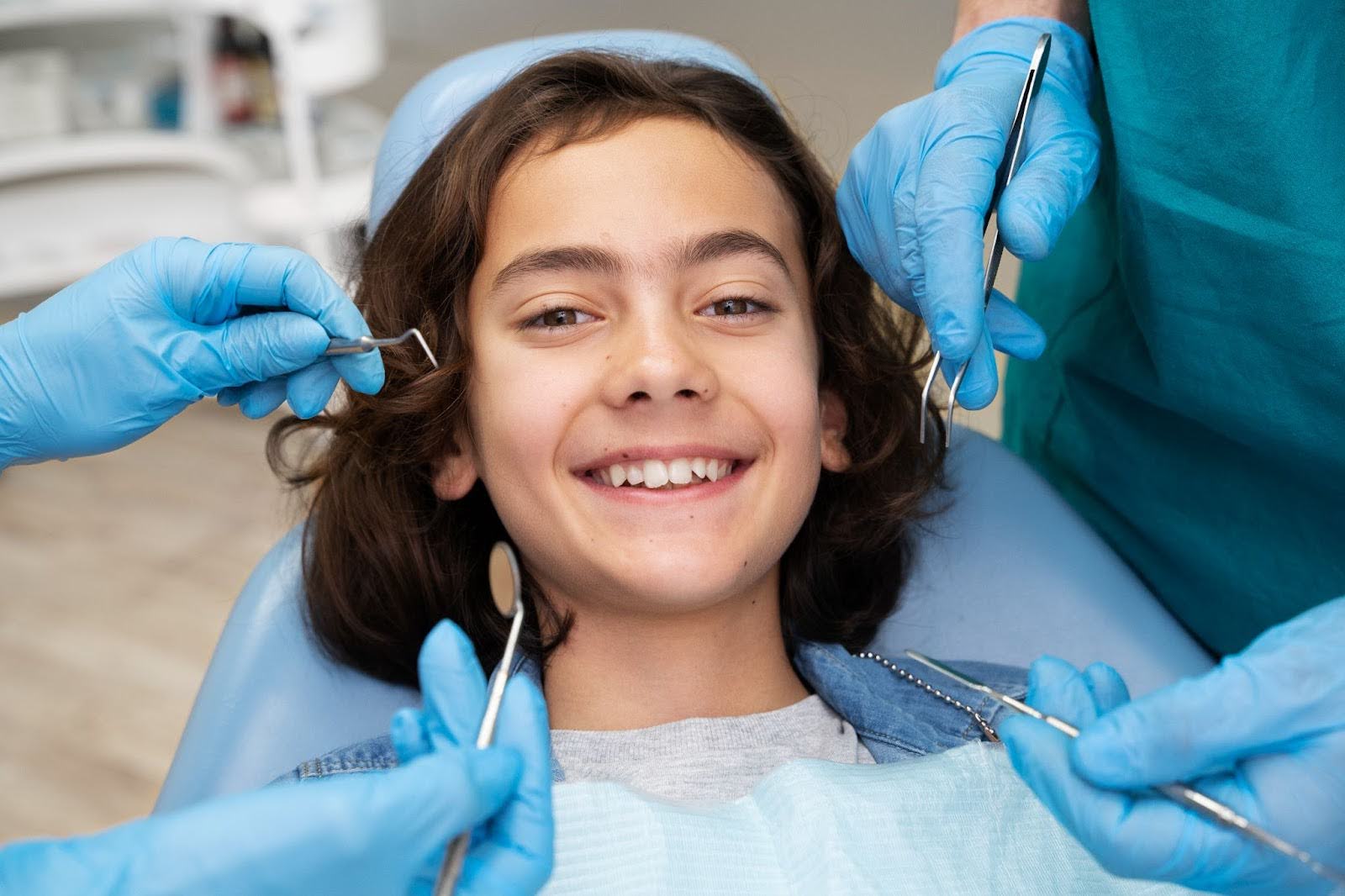
When orthodontists or a cosmetic dentist detect the early signs of crowding, they often recommend preventive treatments designed to guide the teeth and jaws as they grow. These treatments are gentle, minimally invasive, and aimed at supporting natural development rather than forcing it.
Space Maintainers
If a baby tooth is lost earlier than expected, a space maintainer can preserve the space for the incoming adult tooth. This simple device prevents neighbouring teeth from shifting into the gap, which keeps the alignment intact. There are two types of space maintainers: fixed and removable. The orthodontist will choose the one best suited to the child’s age and dental structure.
By preventing unnecessary shifting, space maintainers reduce the likelihood of complicated crowding later on. They are a straightforward solution that can save both time and cost in future orthodontic care.
Palatal Expanders and Interceptive Braces
Sometimes the upper jaw is too narrow to accommodate all adult teeth comfortably. A palatal expander is a small, adjustable appliance that gently widens the upper jaw over several weeks or months. This creates additional space for teeth to emerge properly and helps balance the bite between the upper and lower jaws.
Interceptive braces, on the other hand, are used in specific cases during the mixed dentition stage (when baby and permanent teeth coexist). These braces guide erupting teeth into better positions and correct minor misalignments early. According to Healthdirect Australia, these early interventions are most effective before the jawbones fully harden, typically before puberty.
Both of these treatments have the same aim—to prevent the need for more intensive orthodontic procedures, such as extractions or surgery, in the future.
Growth Monitoring and Jaw Guidance
Early orthodontic care is not limited to appliances. One of its most important aspects is growth monitoring. Regular reviews allow orthodontists to track changes in the teeth and jaw over time. Through these check-ups, they can identify whether natural growth is correcting minor issues or if gentle intervention is needed to guide development in the right direction.
In some cases, orthodontists may use functional appliances that influence jaw positioning and encourage proper bite relationships. These devices can help ensure that both jaws grow in harmony, improving facial balance and reducing the likelihood of jaw pain or misalignment later.
By taking advantage of the child’s active growth phases, orthodontists can achieve changes that are nearly impossible to accomplish once the bones stop developing. This proactive approach means that any necessary adjustments are subtle and occur naturally alongside the child’s growth.
Benefits of Early Intervention vs. Waiting Until Teen Years
Acting early on dental and orthodontic concerns provides a number of advantages. Children who undergo preventive treatment during their developmental years often experience:
- Reduced the need for extractions or complex treatment later. Addressing spacing issues early helps create enough room for adult teeth to erupt properly.
- Improved bite alignment and jaw function. Early correction prevents strain on the jaw and improves chewing efficiency.
- Easier oral hygiene. Straighter teeth are easier to clean, reducing the risk of cavities and gum disease.
- Enhanced confidence. Children who grow up with well-aligned teeth often develop stronger self-esteem and comfort when smiling.
On the other hand, waiting until the teenage years to address severe crowding can make treatment longer and more intensive. By then, the jawbones are less adaptable, meaning orthodontists may have to rely on extractions or more invasive techniques to achieve similar results. Early action ensures a smoother, shorter, and less stressful experience for both children and parents.
What Parents Should Know and Do
Parents play an active role in supporting their child’s dental development. Paying attention to early warning signs can make a difference in catching potential issues before they worsen. These signs include:
- Visible crowding or overlapping teeth
- Difficulty biting or chewing
- Persistent mouth breathing or snoring
- Early or delayed loss of baby teeth
- Thumb sucking or tongue thrusting habits
If any of these signs appear, it’s best to schedule an orthodontic evaluation. Most orthodontic clinics recommend routine reviews every six to twelve months to track how the teeth and jaws are growing. Working with both the family dentist and orthodontist ensures that any developing problems are caught and managed promptly.
Parents should also remember that not all children will require braces right away. Many simply need monitoring and guidance to ensure their teeth develop as expected. Taking a proactive approach now helps avoid more complex treatments later and promotes lifelong oral health.
Common Misconceptions About Early Orthodontics
It’s common for parents to assume that starting orthodontic care early means wearing braces for a longer time. In reality, preventive treatment often shortens the total treatment period later in life. Early orthodontics isn’t about rushing into braces—it’s about timing. By identifying growth patterns and correcting small issues early, orthodontists can reduce the overall intensity of future treatment.
Another widespread misconception is that early orthodontics doubles the cost. In truth, early interventions like space maintainers or expanders are relatively simple and affordable compared to the cost of extensive orthodontic corrections in the teen or adult years. Preventive care is an investment in long-term dental health, not an added expense.
Finally, some believe that early treatment is unnecessary unless visible problems exist. However, subtle issues beneath the surface—such as jaw discrepancies or limited space—can be difficult to detect without professional evaluation. Early assessments reveal these underlying factors before they develop into major concerns.
Final Thoughts
A healthy smile doesn’t just happen—it’s guided by awareness, timing, and gentle care. Early orthodontic treatments are not about forcing change but about supporting natural growth so every new tooth has space to align correctly. By recognising the importance of early evaluation and staying proactive, parents can give their children a smoother, more comfortable path to lifelong dental health.
In the end, a little attention during childhood can make a world of difference. With today’s orthodontic techniques, guided by experienced professionals, children can enjoy a confident smile that grows with them—one that reflects both care and foresight.