As a parent, you naturally want your child to develop a love for learning that will carry them through life. But motivating children to learn, especially when faced with distractions or challenges, can sometimes feel like an uphill battle. Whether your child is struggling with schoolwork, disinterested in certain subjects, or simply unmotivated, there are several strategies you can employ to ignite their curiosity and passion for learning.
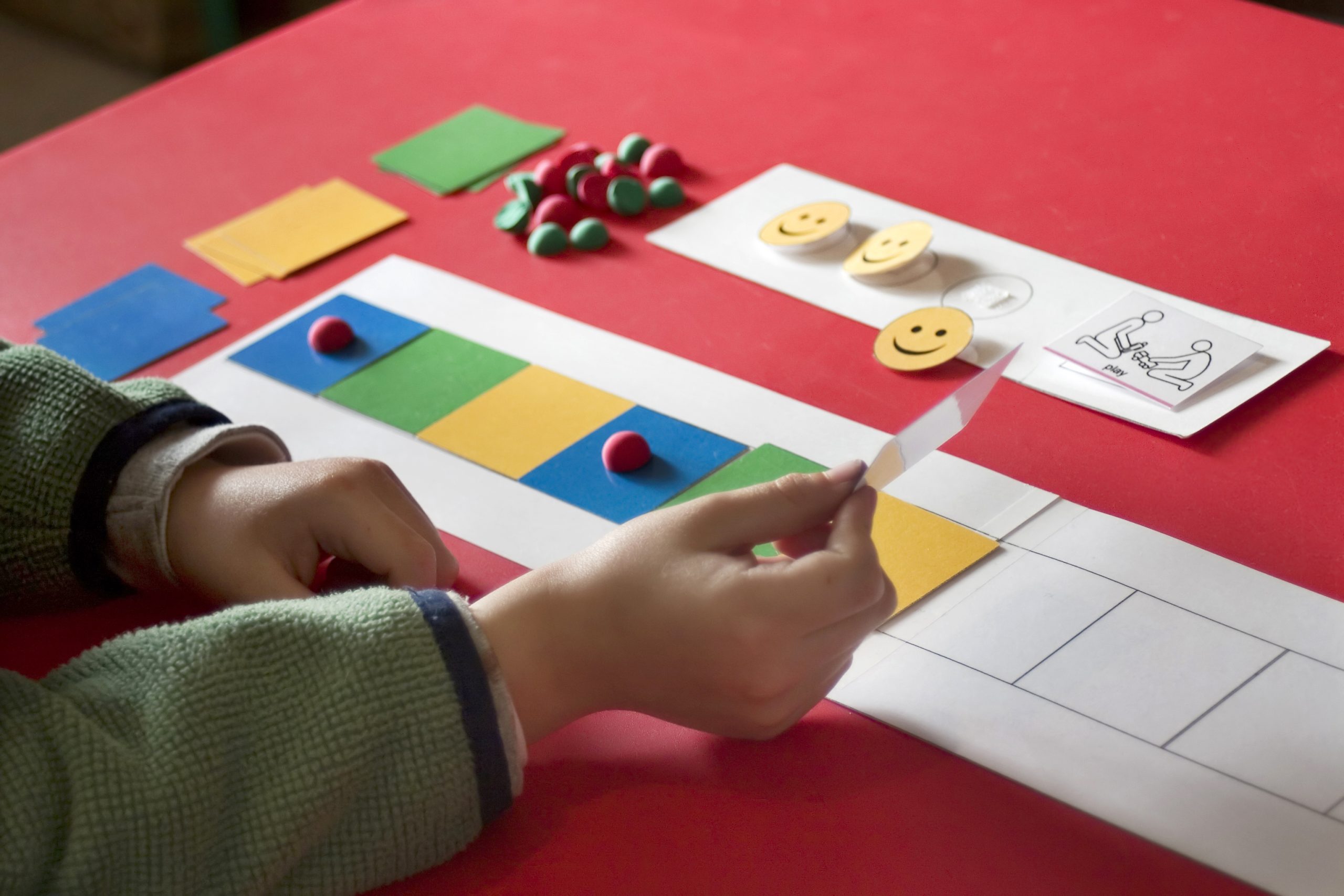
Create a Positive Learning Environment
The environment in which your child learns plays a crucial role in their motivation, according to the best private schools in Cambridge. A space that is cluttered, noisy, or stressful can hinder their ability to focus and enjoy learning. Create a dedicated, quiet area at home where your child can study, free from distractions like TV or loud noises.
Set Realistic Goals
Setting goals gives your child something to strive for and a sense of accomplishment when they succeed. Work with your child to set achievable, short-term goals, as well as long-term ones. Whether it’s mastering a maths concept, finishing a book, or completing a project, breaking tasks into manageable steps can make learning less overwhelming and more rewarding.
Connect Learning to Interests
One of the most effective ways to motivate your child is to connect learning to their existing interests. If your child loves dinosaurs, for example, use that interest to explore science, reading, and even art. Relating academic subjects to hobbies or passions makes learning feel relevant and engaging.
Encourage Curiosity and Exploration
Children are naturally curious, and fostering that curiosity can lead to a lifelong love of learning. Encourage your child to ask questions and explore topics that interest them. This can be done through hands-on activities, experiments, or even family outings to museums, zoos, or nature parks.
Make Learning Fun
Learning doesn’t always have to be serious. Incorporating games, creativity, and humour into learning can make it more enjoyable and less of a chore. Educational games, puzzles, and even friendly competitions can make subjects like maths, spelling, or history more engaging.
Provide Positive Reinforcement
Positive reinforcement can be a powerful motivator. When your child makes an effort or achieves a goal, acknowledge their hard work with praise or rewards. This reinforcement builds confidence and encourages them to continue striving for success.
Be Involved and Show Interest
Your involvement in your child’s education can greatly influence their motivation to learn. Show interest in what they’re studying, ask about their day at school, and engage in discussions about their subjects. When your child sees that you value their education, they’re more likely to value it too.
Teach the Value of Persistence
It’s important for children to understand that learning is a process that involves challenges and sometimes failures. Teaching them the value of persistence can help them stay motivated even when they encounter difficulties. Encourage them to see mistakes as opportunities to learn and grow rather than as setbacks.
Encourage Independence and Responsibility
Giving your child a sense of ownership over their learning can boost motivation. Encourage them to take responsibility for their homework, projects, and study schedules. When children feel in control of their learning, they are more likely to be motivated to succeed.
Lead by Example
Children often model their behaviour on the adults around them. If they see you enjoying reading, learning new things, or being curious, they’re more likely to adopt the same attitudes. Demonstrate your own love of learning, whether it’s by reading books, taking up a new hobby, or discussing interesting topics at the dinner table.
Motivating your child to learn is about creating an environment and mindset where curiosity, exploration, and achievement are encouraged and celebrated. By setting realistic goals, connecting learning to their interests, and providing positive reinforcement, you can help your child develop a genuine love for learning.
Remember, every child is different, so be patient and try different strategies until you find what works best for your child. With your support and encouragement, they can become motivated, independent learners with a passion for knowledge that will last a lifetime.