In today’s fast-paced, technology-driven world, finding the right balance between screen time and physical activity is a challenge for many parents. Encouraging your child to take up sports can be a game-changer, offering a wide range of benefits that go beyond just physical health. From building confidence to teaching teamwork, participating in sports can have a lasting positive impact on your child’s development.
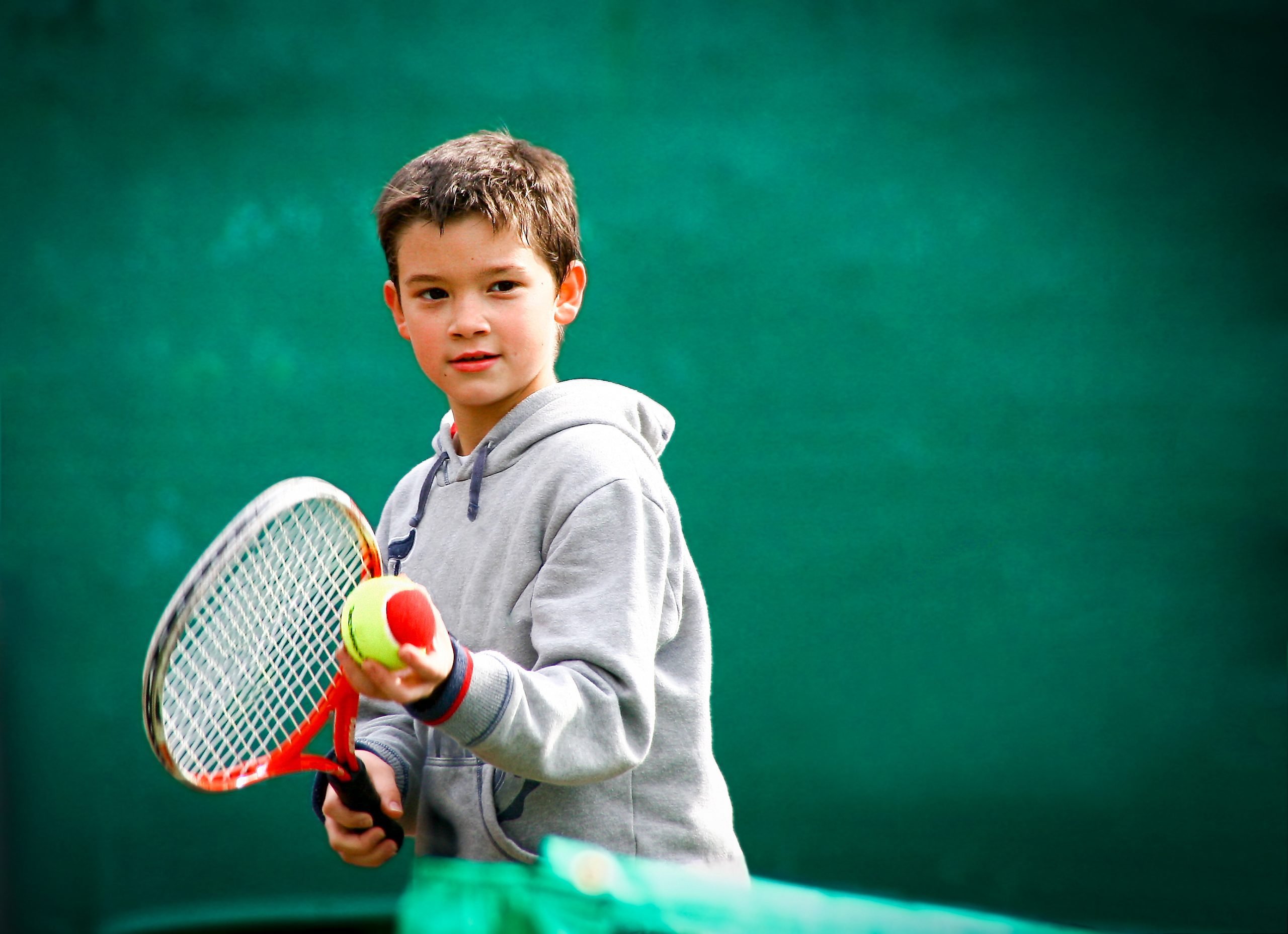
Promotes Physical Health and Fitness
One of the most obvious benefits of sports is improved physical health. Regular physical activity helps children develop strong muscles and bones, improves cardiovascular health, and reduces the risk of obesity and related health issues. Sports also help children develop good habits of regular exercise, which can carry into adulthood.
Boosts Mental and Emotional Well-Being
Physical activity is known to release endorphins, the body’s natural mood enhancers. Engaging in sports can reduce stress, anxiety, and depression, helping children to develop a more positive outlook on life. Additionally, sports offer a healthy outlet for managing emotions and energy, leading to better emotional regulation and resilience.
Develops Social Skills and Teamwork
Sports provide an excellent opportunity for children to interact with their peers and develop social skills. It is why it’s an area that this prep school in Hertfordshire recommends students explore thoroughly during their time in school. Whether it’s a team sport like soccer or basketball, or an individual sport with a team component like swimming or gymnastics, children learn the importance of teamwork, cooperation, and communication. These social skills are essential for building friendships and succeeding in group settings later in life.
Teaches Discipline and Responsibility
Sports require practice, dedication, and the ability to follow rules, all of which help children develop discipline. Learning to show up for practice, follow a coach’s instructions, and work on skills over time teaches children the value of hard work and commitment. They also learn responsibility, whether it’s taking care of their equipment, managing their time, or being accountable to their team.
Encourages Perseverance and Resilience
In sports, children inevitably face challenges, whether it’s losing a game, getting injured, or not making the team. These experiences teach them how to handle setbacks, persevere through difficulties, and bounce back with determination. Learning to cope with failure and disappointment in a supportive environment builds resilience that can be applied in all areas of life.
Improves Focus and Academic Performance
There is a well-documented link between physical activity and improved cognitive function. Engaging in sports can enhance concentration, memory, and problem-solving skills. Children who participate in sports often do better academically, as the discipline and focus they develop on the field can translate into better study habits and academic performance.
Promotes Healthy Habits and Lifestyle Choices
Children who are active in sports are more likely to develop healthy habits that last a lifetime. They learn the importance of physical activity, healthy eating, and getting enough rest to perform well in their sport. These habits reduce the risk of developing chronic diseases later in life and promote overall wellbeing.
Builds Confidence and Self-Esteem
Sports can be a great confidence booster for children. As they develop their skills and see improvement, their self-esteem grows. Achieving goals, whether it’s scoring a goal, running a personal best time, or simply mastering a new skill, gives children a sense of accomplishment. This confidence can extend beyond the playing field, positively affecting their social interactions and academic pursuits.
Teaches Leadership and Decision Making
In many sports, children have the opportunity to take on leadership roles, whether as team captain, group leader, or simply by leading by example. These roles teach them how to make decisions, motivate others, and take responsibility for the outcomes. Leadership skills developed in sports can be invaluable in other areas of life, including school, work, and community involvement.
Provides Fun and Enjoyment
At the heart of it, sports are fun! They offer children a chance to play, be active, and enjoy the camaraderie of teammates. The joy of playing a game, the thrill of competition, and the excitement of improvement make sports an enjoyable experience that keeps children engaged and motivated.
Taking up sports offers children a wealth of benefits that extend far beyond the physical. From improving health and fitness to building confidence, teaching discipline, and fostering social skills, sports play a crucial role in a child’s overall development. By encouraging your child to participate in sports, you’re not only helping them stay active and healthy but also equipping them with valuable life skills that will serve them well in the future. Remember, the key is to keep it fun and supportive, allowing your child to explore and enjoy the many rewards that sports have to offer.