It’s something that many of us are keen to try and achieve, but how is it that you can actually improve the energy efficiency of your home? As it turns out, it might be a simpler process than you assume. Energy efficiency at home is one of those areas where small, thoughtful changes can add up to a noticeable difference over time. It affects everything from your monthly bills to how comfortable your rooms feel in winter and summer. It also plays a role in reducing overall environmental impact, which is becoming increasingly relevant as energy costs fluctuate and homes are expected to perform better thermally.

A more energy-efficient home is not just about insulation or turning the heating down. It is about how different elements of the building work together: walls, roof, glazing, heating systems, ventilation, and even the way you use space. When these are aligned, the house starts to hold heat more effectively, reduce waste, and maintain a steadier internal temperature with less effort.
Insulation
One of the most impactful areas to look at is insulation. Heat naturally moves from warm areas to cold ones, so if your home is poorly insulated, warmth will escape through the roof, walls, and floors. Loft insulation is often the simplest starting point because heat rises and a large proportion can be lost through the top of the house. Upgrading or topping up loft insulation can make a surprisingly quick difference. Cavity wall insulation is another strong option for many UK homes built with cavity walls, and it works by filling the gap between inner and outer brick layers with insulating material that slows heat transfer.
Windows & Doors
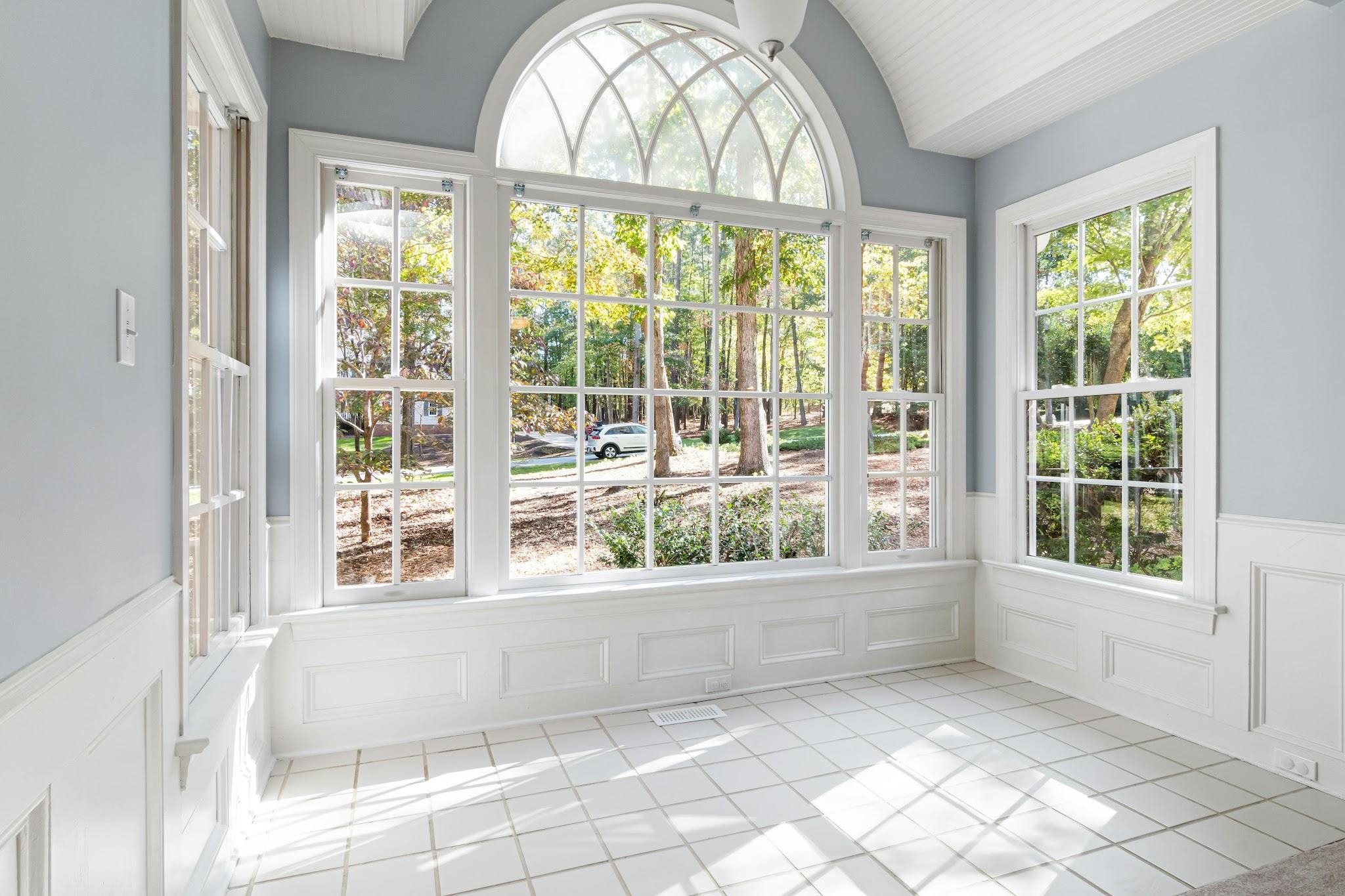
Once insulation is addressed, attention usually turns to windows and doors, which are among the most common weak points in a building envelope. Older single-glazed windows can lose a significant amount of heat, and even early double glazing can become inefficient over time if seals degrade. Modern glazing solutions are far more effective at retaining heat and reducing draughts.
This is where UVC windows and doors come into play. These systems are designed to offer improved thermal performance compared to traditional timber or aluminium alternatives. The material structure helps reduce heat transfer, while multi-chambered frames and advanced sealing systems prevent unwanted air leakage. In practical terms, this means less cold air entering the home and less warm air escaping. Over time, this reduces the load on heating systems and helps maintain a more stable indoor temperature. Another benefit is durability; A-Rated UVC windows and doors typically require very little maintenance compared to wood, as they do not need repainting or regular treatment against weathering. They also tend to provide good acoustic insulation, which is an added advantage if you live near a busy road or urban area.
Glazing
Glazing itself is another important factor. Double glazing is now standard in most homes, but triple glazing is becoming more common in energy-conscious builds and refurbishments. The space between panes is often filled with an inert gas that slows heat loss further. Low-emissivity coatings can also be applied to glass to reflect heat back into the room while still allowing natural light through. When combined with well-fitted UVC frames, this creates a strong barrier against external temperature changes.
Heating Systems
Heating systems are another major contributor to energy efficiency. Even a well-insulated home will waste energy if the heating system is outdated or poorly controlled. Modern condensing boilers are far more efficient than older models, recovering heat that would otherwise be lost through flue gases. Smart thermostats and zoning systems also help by allowing more precise control over when and where heating is used. Instead of heating the whole house uniformly, you can focus on occupied rooms and reduce output elsewhere.
Radiators and distribution systems matter too. Bleeding radiators, balancing the system, and ensuring pipes are properly insulated can all improve efficiency. In some cases, upgrading to underfloor heating can offer better performance, as it operates effectively at lower temperatures and distributes heat more evenly across a space.
Ventilation
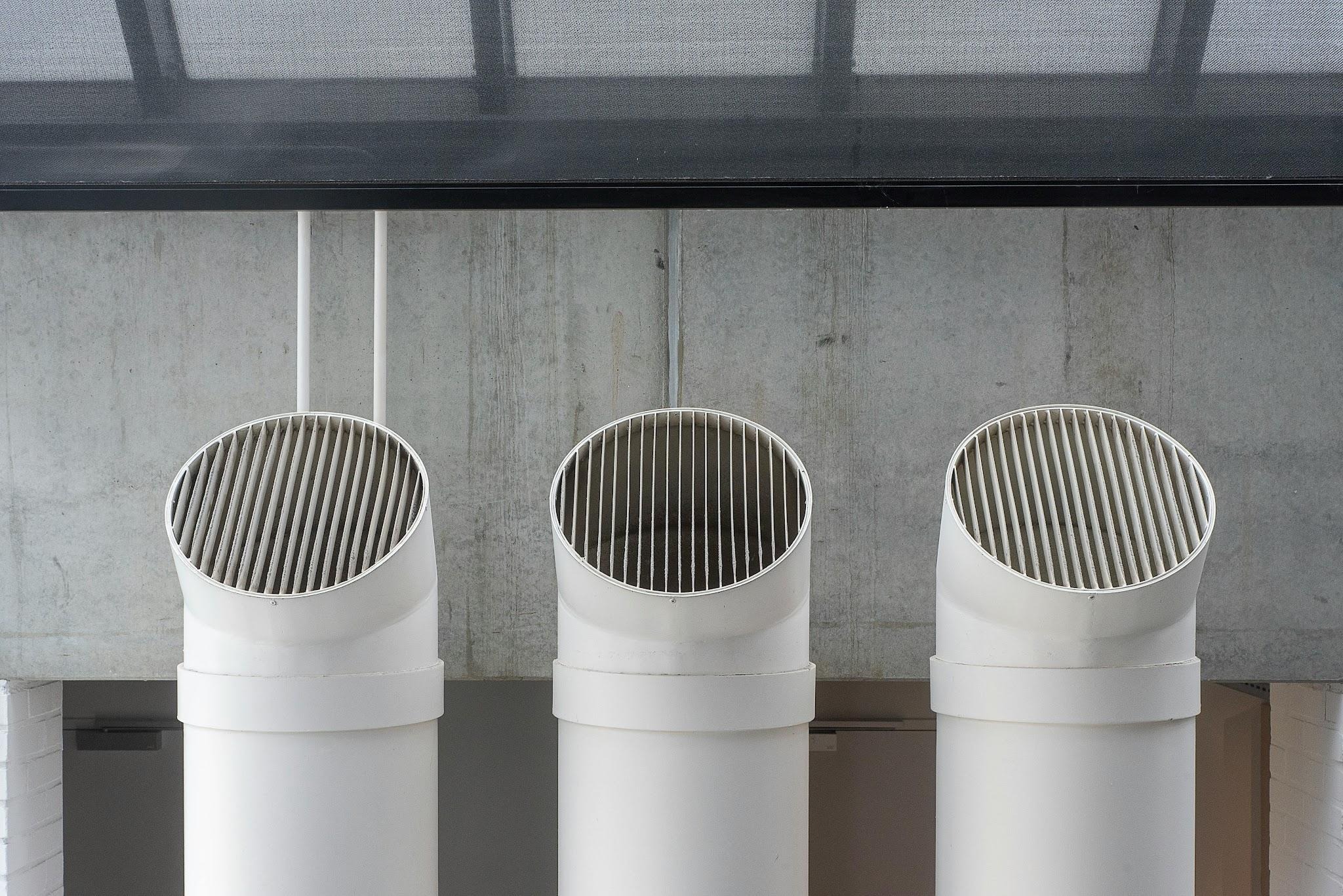
Ventilation is often overlooked but plays a crucial role in energy efficiency. A tightly sealed home can become prone to condensation and poor air quality if moisture has no way to escape. The challenge is to balance airtightness with fresh air circulation. Mechanical ventilation systems with heat recovery can help achieve this balance by extracting stale air while retaining much of its heat energy. Even simpler measures, like trickle vents or controlled window opening, can help maintain healthy airflow without major heat loss.
Consumption & Behavior
Lighting and appliances also contribute to overall energy consumption, although typically to a lesser extent than heating. Switching to LED lighting is a straightforward improvement that reduces electricity use significantly compared to older incandescent or halogen bulbs. Choosing energy-efficient appliances and avoiding standby power waste also contributes to a lower overall energy footprint.
Behavioural changes should not be underestimated either. Small habits, such as closing curtains at dusk to retain heat, using draught excluders on internal doors, or adjusting thermostat settings by even one degree, can collectively make a meaningful difference. The key is consistency rather than dramatic shifts.
External Factors
External elements of the home can also support efficiency. Well-designed landscaping, for example, can act as a natural buffer against wind and temperature extremes. Trees or hedging placed strategically around a property can reduce heat loss from wind exposure, while south-facing gardens can be used to maximise passive solar gain in colder months.
Ultimately, improving energy efficiency is not about a single upgrade but a layered approach. Insulation, glazing, heating systems, ventilation, and day-to-day behaviour all interact. Investing in high-performance elements such as UVC windows and doors can be one of the more noticeable steps because it addresses both heat retention and drought prevention at a structural level. But the greatest gains come when multiple improvements are combined.