
Play can look deceptively simple. Blocks on the floor. A game that makes absolutely no sense to adults. Running around outside with no clear goal. But play has always been one of the most powerful ways children learn. It teaches without announcing itself. And that quiet teaching tends to stick. Even now, with more structure and more expectations placed on kids, learning through play remains essential.
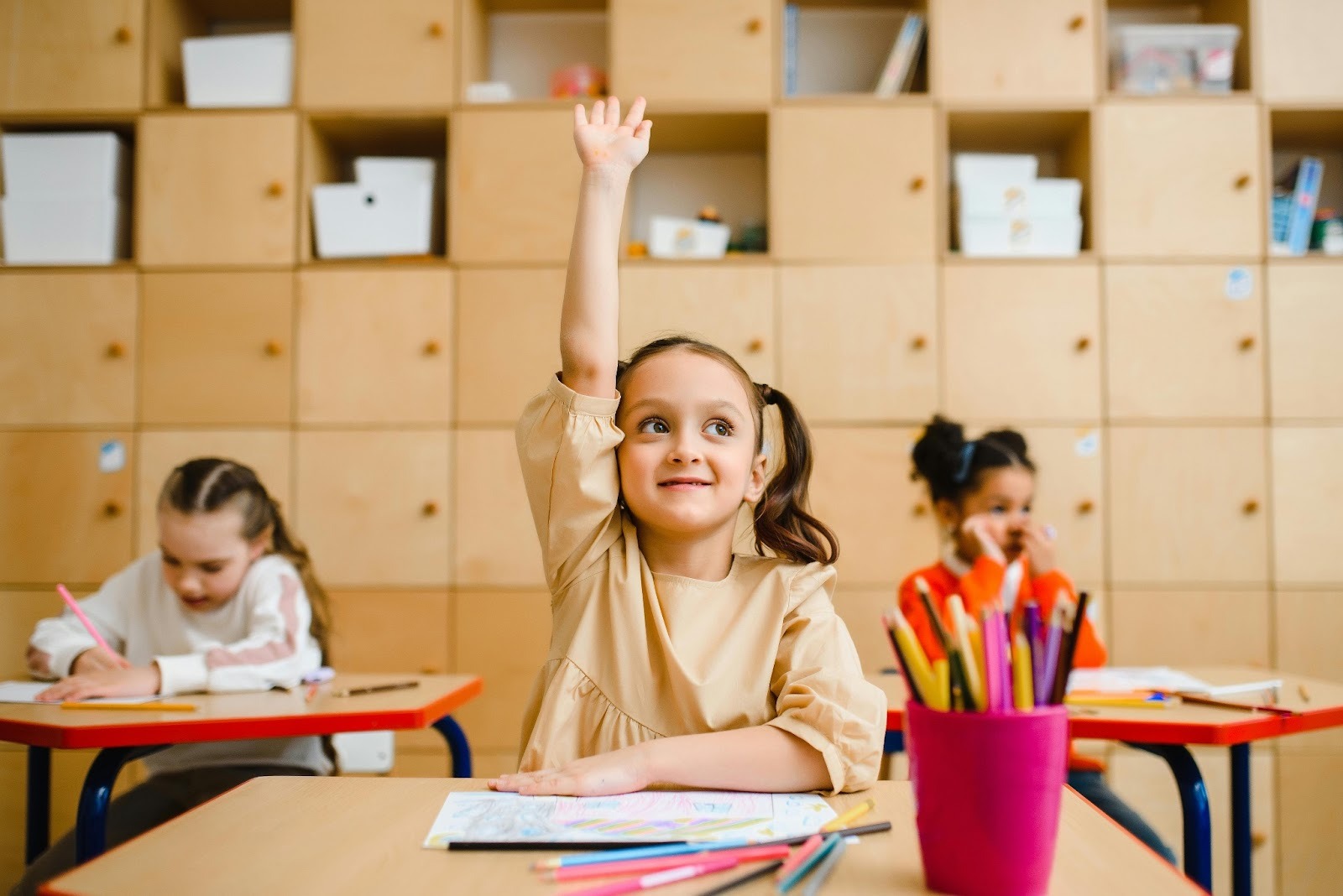
Play Is How Kids Make Sense of the World
When children play, they are often processing what they see and experience every day. They test ideas. They copy adults. They create little stories that may feel random, but are often full of meaning.
This kind of play develops language, reasoning, and emotional awareness all at once. It is not tidy learning. It is layered, sometimes messy, and often very creative. That is part of its strength. Children learn at their own pace and in their own way, without comparison or pressure.
Physical Play Builds Brain Power Too
Movement and learning are deeply connected. When kids climb, jump, balance, and run, their brains are working just as hard as their bodies. Physical play supports coordination, focus, and memory.
Activities such as gymnastics for kids are often described in terms of strength or flexibility, but there is more happening beneath the surface. Children learn sequencing, discipline, spatial awareness, and confidence through movement. They learn how their bodies work, and how effort leads to progress over time.
Imagination Creates Problem Solvers
Imaginative play is where ideas stretch. A cardboard box becomes a spaceship. A blanket becomes a cave. These moments may look trivial, but they are foundational.
When children imagine, they practice problem solving. They experiment with cause and effect. If this happens, then what comes next. This kind of thinking carries over into academic learning later on. Creative play encourages curiosity, which is often more valuable than memorization.
Social Play Teaches Life Skills Early
Playing together teaches lessons that cannot be explained through instructions alone. Sharing, negotiating rules, managing disappointment when things do not go your way. These skills emerge naturally during play with others.
Children also learn empathy. They learn to read cues. They learn when to lead and when to follow. These experiences shape emotional intelligence quietly, over time, without being labeled as lessons.
Making Room for Play in Busy Lives
Modern life can make play feel optional, or something to squeeze in. Schedules fill up quickly. Structured activities take over. But unstructured play is what allows children to explore without goals. It does not require expensive toys or elaborate setups. Sometimes it simply requires space and permission. Time where the outcome does not matter. Time that feels open.
Learning through play reminds us that growth does not always look productive on the surface. Some of the most important learning happens in small moments, repeated over and over. A game played badly at first, then better. A story told differently each time. These moments shape confidence, curiosity, and resilience in ways more formal learning often cannot.


This reflection reminds us that play is not wasted time. In its messiness children discover language, empathy, problem solving, and resilience skills that structured lessons alone can never fully teach.