
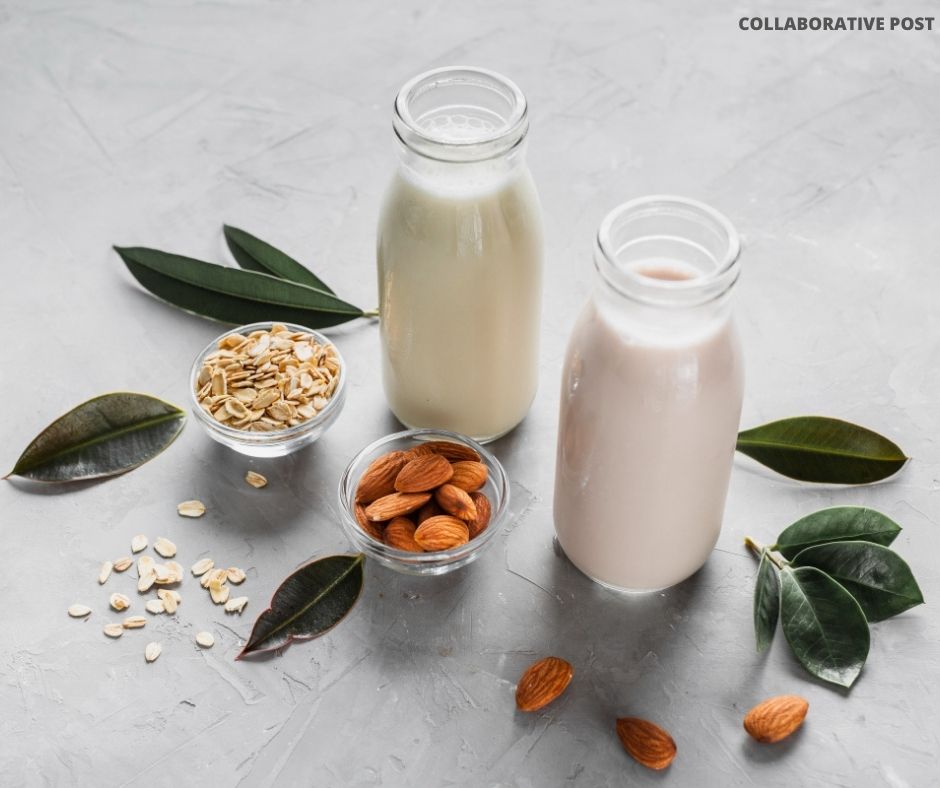
I am a plant milk girl…particularly oat milk which I just so much prefer to any other type of milk whether it be cow’s milk or another plant-based milk. But what about when it comes to our children? Making sure they get the right nutrition is paramount during their formative years, so what’s the deal with plant-based milk for children and potential swaps? Today, we’ll explore plant-based milk options, considering age and developmental stages, to help you make informed decisions that suit your family’s lifestyle.
Why Consider Plant-Based Milk for Your Child?
First, let’s address why some parents choose plant-based milk for their children. The reasons can vary but often include:
- Lactose Intolerance: Some children are lactose intolerant, making traditional dairy milk difficult to digest. Plant-based milk is a dairy-free alternative that can ease digestive discomfort.
- Allergies: Cow’s milk allergies are common in children. Plant-based milk options, like almond, soy, or oat milk, can provide a safe and nutritious alternative.
- Ethical and Environmental Concerns: Many parents opt for plant-based milk due to ethical concerns surrounding the dairy industry and its impact on the environment.
- Vegan or Plant-Based Lifestyle: Families adhering to a vegan or plant-based diet may choose plant-based milk for their children to align with their dietary choices.
Health Guidance
The NHS says that you can give your child unsweetened calcium-fortified milk alternatives, such as soya, almond and oat drinks, from the age of one as part of a healthy balanced diet. Please note this guidance may change depending on where you live in the world.
Nutritional Comparison
When it comes to choosing the best plant-based milk for your child, it’s all about understanding their nutritional needs, and this varies by age and stage:
Babies (0-12 months):
The very first stage in a child’s life is a crucial one. For infants, breast milk or infant formula is the gold standard. It provides the optimal mix of nutrients necessary for growth and development. Plant-based milk, including oat milk, should not be used as a primary source of nutrition during this stage.
Toddlers (1-2 years):
Toddlers need a well-balanced diet to support their growth. While plant-based milk can complement their nutrition, it’s essential to choose fortified options like almond or soy milk and consult with your healthcare professional. These fortified alternatives can provide essential nutrients, including calcium and vitamin D.
Preschoolers (3-5 years):
These little ones are exploring new tastes and textures, and their nutritional needs evolve. Creamy and slightly sweet options like oat milk can be a hit with their developing palates. Oat milk is not only delicious but also a source of dietary fiber and essential vitamins.
School Children (6-12 years):
As children venture into school age, ensuring that plant-based milk is fortified with calcium and vitamin D is essential to support their growing bones and overall health. Look for options with these added nutrients to provide the required support.
Teens (13-18 years):
Adolescence brings growth spurts and increased nutritional demands. Options like soy milk, rich in protein and essential amino acids, can be beneficial in meeting these demands. Teens need more protein, and soy milk can help provide that extra boost.
Health Considerations: Catering to Unique Needs
When selecting plant-based milk for children, it’s important to consider their unique health needs based on their age:
- Babies (0-12 months): For infants, breast milk or formula is crucial, as plant-based milk lacks critical nutrients for proper development. Avoid introducing plant-based milk as a primary source of nutrition during this stage.
- Toddlers (1-2 years): Choose fortified plant-based milk options as a complement to their diet. Fortification ensures that your child gets essential nutrients, such as calcium and vitamin D.
- Preschoolers (3-5 years): Focus on providing a balanced diet alongside plant-based milk. The creamy and slightly sweet nature of oat milk often appeals to these little ones and can be a great addition to their diet.
- School Children (6-12 years): Ensure that the plant-based milk you choose is fortified with calcium and vitamin D. These nutrients are vital for healthy bone development, especially as your child becomes more active.
- Teens (13-18 years): Pay close attention to protein content, considering options like soy milk for its nutritional benefits during the adolescent growth stage. Teens have increased protein needs, and soy milk can help meet these demands.
Taste and Texture: Pleasing Little Palates
Children’s preferences for taste and texture can evolve as they grow:
- Babies (0-12 months): At this stage, babies’ nutritional needs are met with breast milk or formula, and their taste and texture preferences are less of a concern.
- Toddlers (1-2 years): Opt for mild-tasting options with a texture similar to cow’s milk. These familiar tastes and textures can ease the transition to plant-based milk.
- Preschoolers (3-5 years): Creamy and slightly sweet options like oat milk often appeal to these little ones. Their developing palates enjoy these flavors, making it a delicious choice.
- School Children (6-12 years): Consider your child’s taste preferences, whether they prefer neutral options like soy milk or enjoy the natural sweetness of oat milk. Offering choices can make it more enjoyable.
- Teens (13-18 years): As teenagers develop more independent tastes, involve your teenager in the decision-making process. Their input can help you find the best-tasting plant-based milk option that meets their nutritional needs.
Practical Considerations: Making It Work in Your Routine
Practical factors may influence your choice of plant-based milk based on your child’s age:
- Babies (0-12 months): For infants, breast milk or infant formula is essential. Avoid plant-based milk during this stage.
- Toddlers (1-2 years): Ensure that the plant-based milk is age-appropriate and fortified with necessary nutrients. Consulting with a healthcare professional can provide guidance.
- Preschoolers (3-5 years): Consider shelf-stable options for convenience, especially for school lunches. These options can make it easier to ensure your child has access to their preferred milk.
- School Children (6-12 years): Think about the shelf life and refrigeration needs of the chosen plant-based milk. Convenience can be a game-changer for busy families.
- Teens (13-18 years): Take into account the dietary preferences and independence of your teenager in selecting their plant-based milk. Teens may have strong opinions about what they like, and involving them in the decision can lead to a more enjoyable experience.
Home Delivery: Plant-Based Milk in the Modern Era
The traditional image of a milkman delivering bottles of fresh cow’s milk to doorsteps is deeply ingrained in our cultural memory. It evokes nostalgia for a time when convenience was as simple as opening your front door each morning and scooping up your milk delivery. But in today’s world, where plant-based milk options have gained popularity, have milk deliveries evolved to include these alternatives?
The short answer is, yes, the concept of the milkman has evolved to meet the changing preferences of consumers. While the classic milkman still delivers dairy milk, there are now services that provide plant-based milk as well, which is great for those who prefer plant milk options for tea like me!
The evolution of home delivery services is a response to the growing demand for plant-based milk. Families who have made the switch to almond, soy, oat, or other plant-based alternatives can now enjoy the convenience of having these products delivered to their doorstep thanks to a variety of modern milk delivery services offer a variety of plant-based milk options.
Conclusion: Nurturing Healthy Growth with Love and Delicious Plant-Based Milk
As mums, we understand the importance of making the right choices for our children’s nutrition. Selecting the right plant-based milk based on your child’s age and developmental stage is a thoughtful way to support their well-being. Remember that a balanced diet is key, and consulting with a healthcare professional or nutritionist is always advisable.


Interesting and lots of detail, thank you for this. I live in Germany, and here we’re told not to give plant-based milk alternatives to young kids or toddlers because the production and content of those drinks just isn’t as tightly controlled as milk, so it could be less hygienic, use more additives than declared, etc. Have you heard that, too?
Thank you for your comment. Interesting! The NHS say that you can give your child unsweetened calcium-fortified milk alternatives, such as soya, almond and oat drinks, from the age of one as part of a healthy balanced diet. I guess every country has different guidelines?