Building a home is by no means a small task or a project that should be taken on lightly. Aside from the fact that you’re trying to build somewhere that you can happily live (and likely for a long time), it’s also a big time and energy investment, and you want to make sure that it pays off. So, you need to make sure you have a plan in mind, and that’s better made when you have a clear idea of what choices are going to shape the project ahead of you.
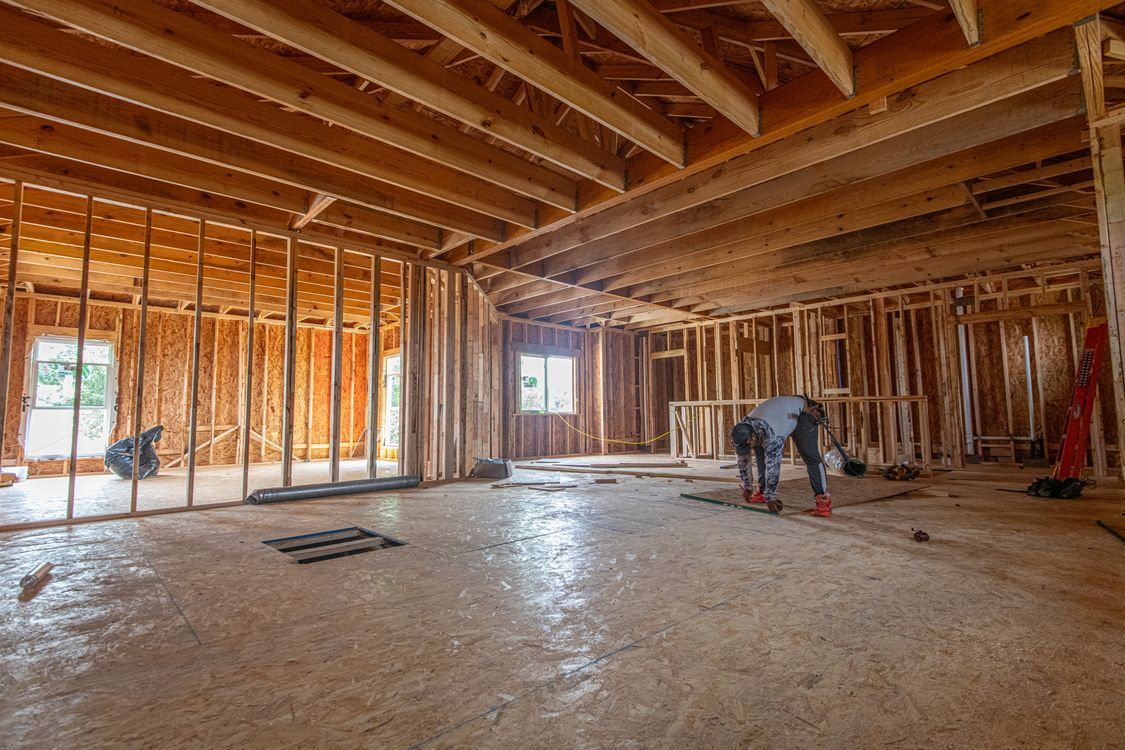
The Location
First and foremost, you should think about the location. After all, it affects your lifestyle, your commute, your property value, as well as how close you are to convenient amenities. Some people prefer quiet rural areas with larger plots of land, while others want to live close to schools, shops, and workplaces in busy towns or cities. Even the type of land can matter, due to how soil quality and drainage needs can affect construction costs.
The Budget
Before construction begins, you must decide how much money you can realistically spend on your new home. Building costs can quickly increase if you do not plan carefully from the start. You want to make sure that you account for land costs, labour, materials, permits, utilities, landscaping, and more. It’s also wise to leave a little wiggle room in the budget for unexpected expenses.
The Materials
Choosing the right materials isn’t just an aesthetic option. It also affects durability, energy efficiency, and how much maintenance your home is going to require. A lot of homeowners prefer natural materials like natural stone walling due to its durability and visual appeal, while others choose based on cost-effectiveness, with the understanding that it’s likely to need more work down the line. Take the time to research not just the walls, but roofing materials, flooring, insulation, window types, and more.
The Design
Of course, so much of how you use the space is actually going to be determined by the design and the layout of the home, as well. The floor plan should match your lifestyle, family size, and future needs. Some people prefer open-plan living spaces for entertaining, while others want more private rooms and separate areas. Have an idea of how many bedrooms, bathrooms, and storage areas are going to be essential, and how they can be fit given the space you have. You might want to think about not just how you’ll use the home when you move in, but years down the line, too. Do you want the home to grow with your family, for instance?
The Team
The success of your project often depends on the builders and contractors you hire. Choosing experienced and reliable professionals can make the construction process much smoother and reduce costly mistakes. Take your time to research local builders and choose those with the experience of working on the kind of home you’re trying to build.
There are rarely black-and-white, right-and-wrong choices when building a home. It’s all about really considering your needs and researching the options to find which best suit you.