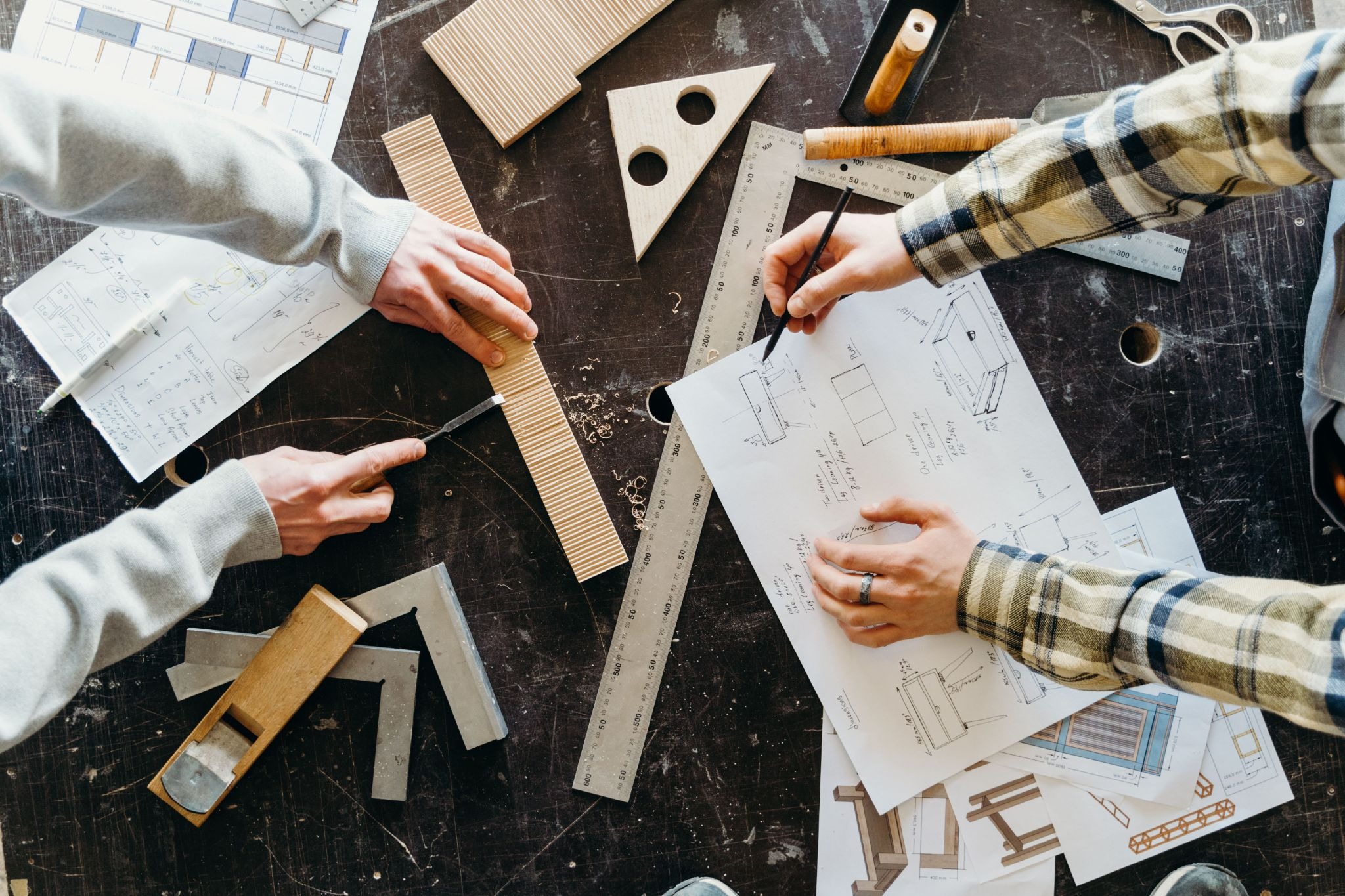
DIY is one of those things that you can build on. You can learn skills and develop your capability until you’re able to complete more complex tasks around the home. And not only is it a great way to keep learning, but it can save you a fortune over time by reducing the need to rely on professionals, plus well-done DIY jobs improve your standard of living too.
And this is the issue: the level of execution and finish of the DIY projects you undertake. You need them to be high quality, or you’re likely just making things worse than they need to be.
If you want to improve your DIY standards, this post has some tips that are going to help you out massively.
Measure Twice
You know the saying, measure twice, cut once. This is extremely true. Before you buy anything, cut anything or scope out a project, check all of your measurements twice or more if you’re still unsure. It’s really obvious, but this is where many issues lie and getting it wrong impacts the entire project.
Let’s say you’re updating your skirting board. You need to account for internal corners, mitre waste and the section behind the door, not just the individual run. Measuring correctly means you get what you need to complete the job, and you don’t have to go back and potentially end up with a different batch that doesn’t quite match.
Buy The Right Materials for the Job
Using the wrong materials is one of the major mistakes early DIY enthusiasts make. And it needs to be avoided at all costs. Different materials have different qualities, rendering them useless for certain applications. Let’s say you’re building a timber frame for an extension for your home or to add an interior wall. General-purpose timber isn’t going to cut it here. It’s often unseasoned, irregular in dimensions and likely to twist or bow after installation. For stud walls or framing, you need CLS timber. It’s kiln dried to a consistent moisture content, planned to uniform dimensions on all four faces, and sized specifically for stud work.
Hire The Right Tools
You don’t have to invest in the right tools for each job; this can get overwhelming, not to mention expensive. But hiring the right tools is the compromise you need here.
The thing is, the wrong tool can produce bad cut jobs, it damages the materials, and it can lead to injuries.
So instead of substituting tools and using what you have, not what you need, hire the right tools for the duration of the task. And you’ll pay the day rate for the hire.
Finish Edges and Joins Correctly
How your DIY job looks is largely dependent on the quality of the edge work and joints. Gaps at skirting board mitres, visible filler lines at ceiling joints and paint bleeding under masking are all finish issues, not skill issues. And they’re often solved by things like flexible decorator’s caulk applied to internal angles before painting or masking tape pressed down firmly at the edges, or a fine-grit sand between coats on any woodwork. None of it is difficult, but neglecting it impacts the finish.