Novice photographers don’t need that many lenses and considering how expensive lenses are, this is a good thing. After all, beginners really should be focussing on the fundamentals before they dive deep into their bank accounts. Of course, if you have the budget, you should feel free to enjoy exploring whichever lenses you can.
However, generally speaking, if you’re new to interchangeable lens cameras, you should start with two lenses. The first lens should be a prime lens (a lens with a fixed focal length) and the other is a zoom lens. A macro lens could also be a wise choice in place of the zoom lens, particularly if you do a lot of indoor or close-up product shots. As you become more proficient with your small lens collection, you can later shell out the cash for more lenses, fully confident that your new acquisitions will better suit your expanding needs.
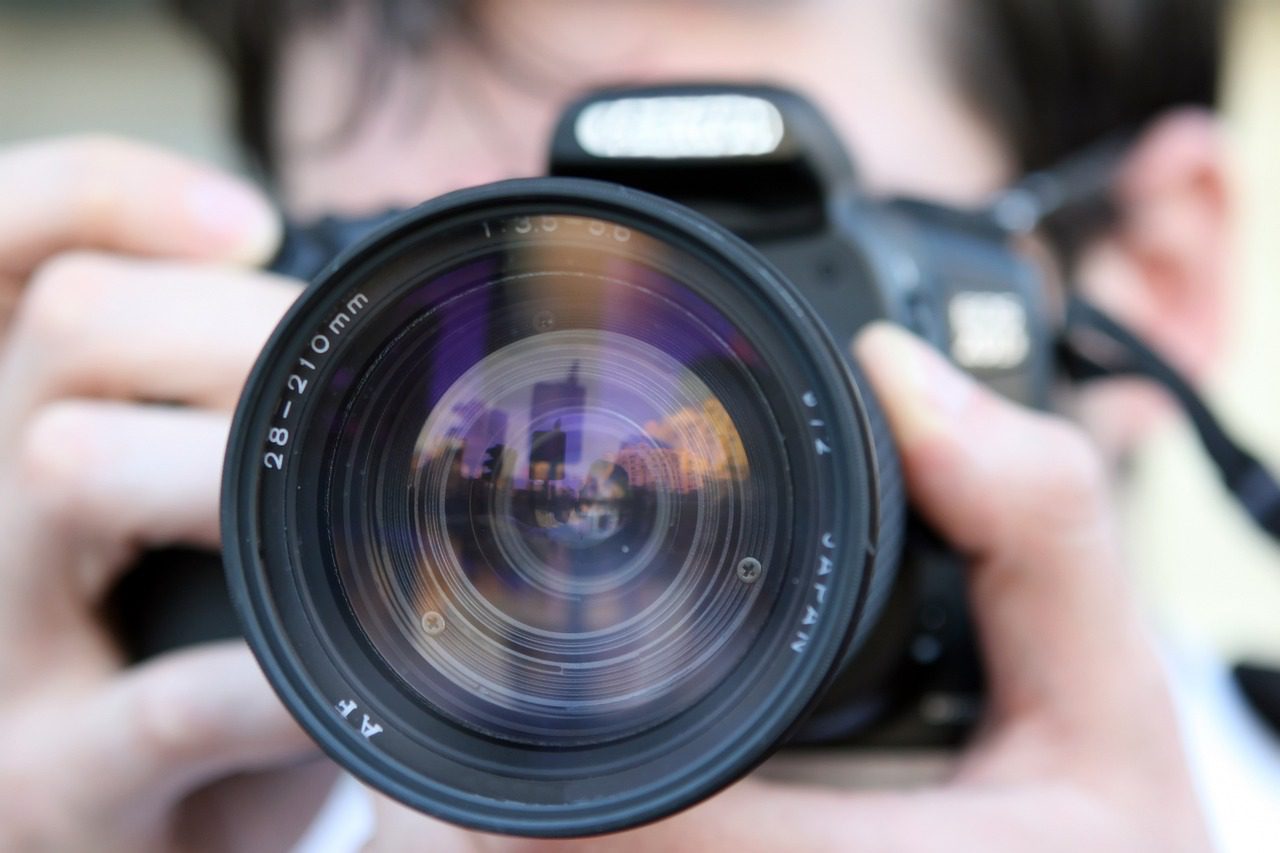
In this guide are some versatile lenses beginners should consider. If you want to try before you buy, look for a camera lens hire service that offers these recommendations to get a feel for what you need. The recommended lenses for beginners include:
50mm Prime Lens.
Many photographers may disagree but 50mm is often recommended to novices for good reason. Compared to 35mm, the other most recommended prime lens size, 50mm lenses tend to be a tad more versatile and forgiving because of their wide aperture and comfortable focal length. If you plan to try several photography genres, you will likely find 50mm suitable for a variety of situations. If you can only take one lens while travelling, 50mm should probably be your go-to, as they work well for portrait, landscape, and street photography.
24-70mm Zoom Lens
Telephoto lenses with 24 to 70mm focal lengths may not be ideal for exceptionally long-distance shots, but they are compact and do give you enough flexibility to cover almost any everyday shooting scenario. In short, they’re more practical compared to monster telephoto lenses. The limits of the 24-70mm range also allow for quick adjustments to different situations, where having an imperfect shot is much better than no shot at all.
85mm Prime Lens
A 85mm prime lens tends to result in a very different feel from a 50mm, forcing you to stand a bit further back for most shots. Lenses in this size are well-liked for portraits, as their depth of field easily separates portrait subjects from their backgrounds. You can also find 85mm lenses with more specialised performance parameters, with some offering better low-light performance.
35mm Prime Lens
After 50mm, 35mm tends to be the most recommended prime lens size, particularly for photographers who want more “true-to-life” shots. This lens size offers a natural perspective similar to human vision, and it’s suitable for a wide range of subjects. Since it offers a view similar to what humans see with their vision, regular 35mm users will find that it becomes extremely easy to visualise compositions when they’re not shooting.
70-200mm Zoom Lens
These telephoto lenses are great for easily capturing distant objects, as you would often need in sports or wildlife photography. However, these lenses also have the range needed to be useful for closer shots, such as portraits and architectural photos. This kind of lens is generally a great choice if you’re an outdoorsy type who wants to venture into photography.
16-35mm Zoom Lens
These go in the opposite direction of 70-200mm, offering a wide perspective that’s suitable for landscapes, intimate scenes, and other instances where you want to capture more of everything. These lenses also offer a good deal of flexibility for portraits, particularly those where the background is as important as the subject.
90mm, 100mm, or 105mm Macro Lens
If you’re a beginner who mostly takes indoor shots, having a macro lens in either of the mentioned sizes can make more sense than a zoom lens as part of your initial gear. These lenses excel at the kinds of close-ups needed for food and product photos. They’re also great for taking shots of plants, insects, and other small subjects. Macro lenses can also produce stunning portraits though this is generally easier if you choose 90mm or 100mm. Regardless, it’s hard to go wrong with any of the popular sizes.
Prioritise Fundamentals Before Expanding Your Lens Collection
Ultimately, the “right” mix of lenses depends on your priorities as a photographer. As discussed, choosing a couple of lenses that do a good job at a variety of tasks is usually the best approach for most novices—not just for saving funds in what is an expensive hobby, but also to hone mastery in basic photography skills like composition and mastery of light levels. Indeed, while fun, having a large collection of lenses early on can even serve to impede your progress as a photographer.
This doesn’t mean that you have to stick to the first two or three lenses you acquire. As you gain experience and refine your style, you’ll naturally begin to gain a deeper understanding of the lenses that complement your preferences the best, and you can start expanding your collection. In the end, photography is not about having the most lenses, but rather about using them effectively to capture the images you envision.