Exams are a normal part of a child’s academic journey, yet for many pupils they can trigger significant stress and worry. While a certain level of pressure can motivate students to perform well, excessive anxiety may affect concentration, confidence, and overall wellbeing. Parents play an essential role in helping their children navigate this period with resilience and calm.
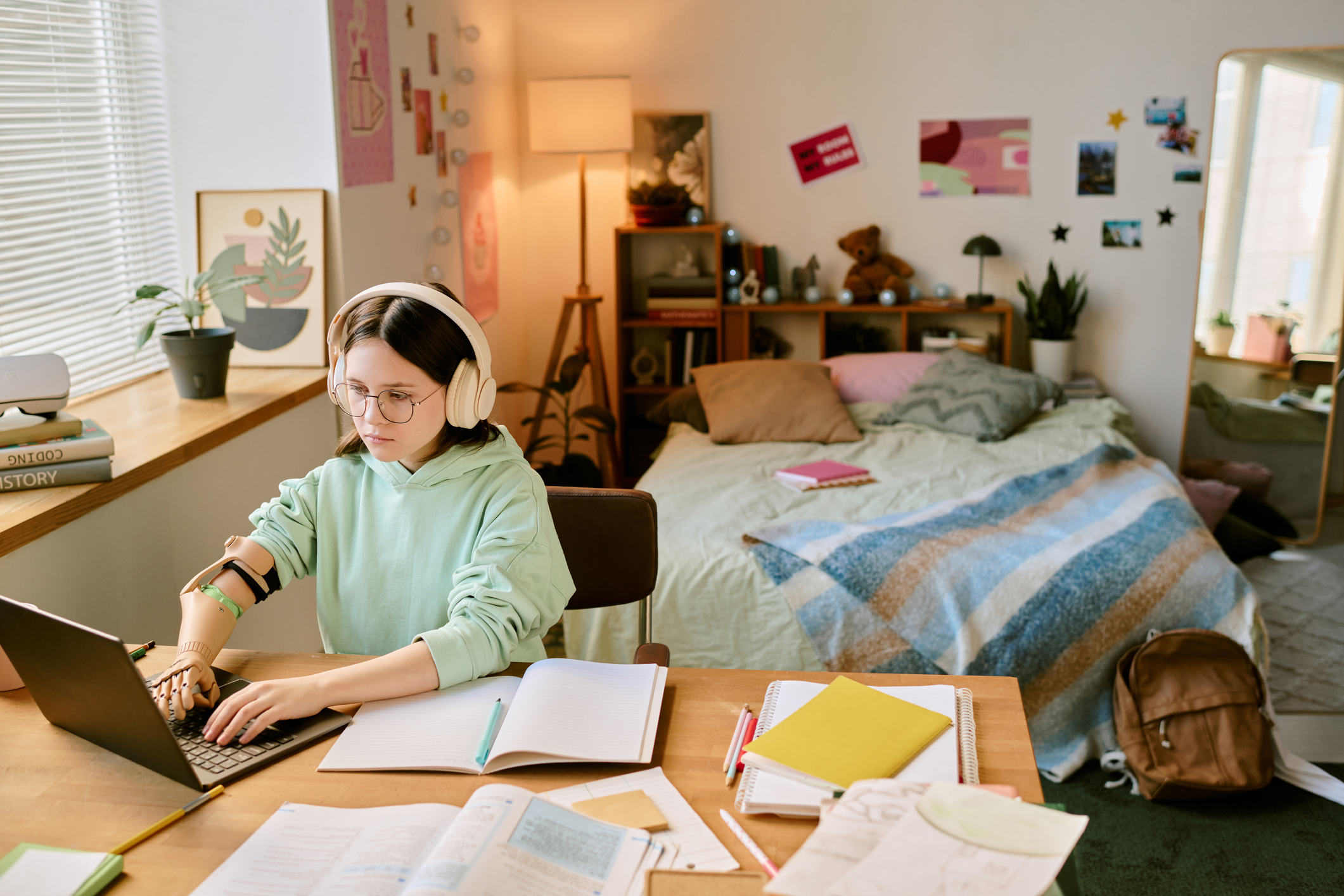
Understanding Exam Anxiety
Exam anxiety often stems from a fear of failure, high expectations, or a lack of confidence in one’s preparation. Children may worry about disappointing teachers, parents, or themselves. In some cases, the pressure to perform in competitive academic environments, such as independent or private schools, can heighten these feelings.
Common signs of exam anxiety include difficulty sleeping, irritability, loss of appetite, or negative self-talk. Recognising these signs early allows parents to provide support before the stress becomes overwhelming.
Create a Calm and Supportive Environment
A supportive home environment can make a significant difference during exam season. Encourage open conversations about how your child is feeling and reassure them that their worth is not defined by grades alone. When children feel understood rather than judged, they are more likely to express their concerns and ask for help.
Establishing a consistent routine can also reduce anxiety. Regular study times, balanced with breaks, exercise, and adequate sleep, help children maintain both focus and emotional stability.
Help Your Child Develop Effective Study Habits
One of the most effective ways to reduce exam anxiety is through preparation. Assist your child in creating a realistic revision schedule that breaks topics into manageable sections. This approach prevents last-minute cramming and helps them feel more in control of their learning.
Encouraging active study methods such as practice papers, flashcards, or teaching the material to someone else can improve understanding and retention. When children feel well prepared, their confidence naturally increases.
Encourage Healthy Coping Strategies
Teaching children simple coping techniques can help them manage stress more effectively. Deep breathing exercises, short walks, or mindfulness practices can calm the mind before or during study sessions. These techniques are particularly helpful when nerves arise immediately before an exam.
Physical activity is another powerful stress reliever. Even a brief period of exercise can improve mood and concentration by reducing tension and increasing energy levels.
The Role of School Support
Schools themselves also play a crucial role in helping students manage exam-related stress. Many private schools emphasise pastoral care and personalised academic guidance, ensuring pupils receive both emotional and academic support throughout the examination period. Research in educational psychology highlights that structured pastoral support within independent schools can significantly improve student wellbeing and exam performance. When parents and schools work collaboratively, children benefit from a balanced support system that nurtures both achievement and wellbeing.
Building Long-Term Confidence
Ultimately, the goal is not simply to help a child get through one set of exams, but to build resilience that will support them throughout their academic life. Celebrate effort as much as results, and remind your child that mistakes are a natural part of learning.
By fostering healthy habits, open communication, and a supportive environment, parents can help their children approach exams with confidence rather than fear. Over time, these strategies empower young learners to see exams not as obstacles, but as opportunities to demonstrate their growth and potential.