
Every child learns differently, and it’s natural for some to face difficulties during their school journey. Whether it’s academic, emotional, or social challenges, knowing how to support your child effectively can make a world of difference to their confidence and wellbeing. If your child is finding school tough, here’s a step-by-step guide to help you navigate the situation, inspired by the teachings of this private school in Hampshire.
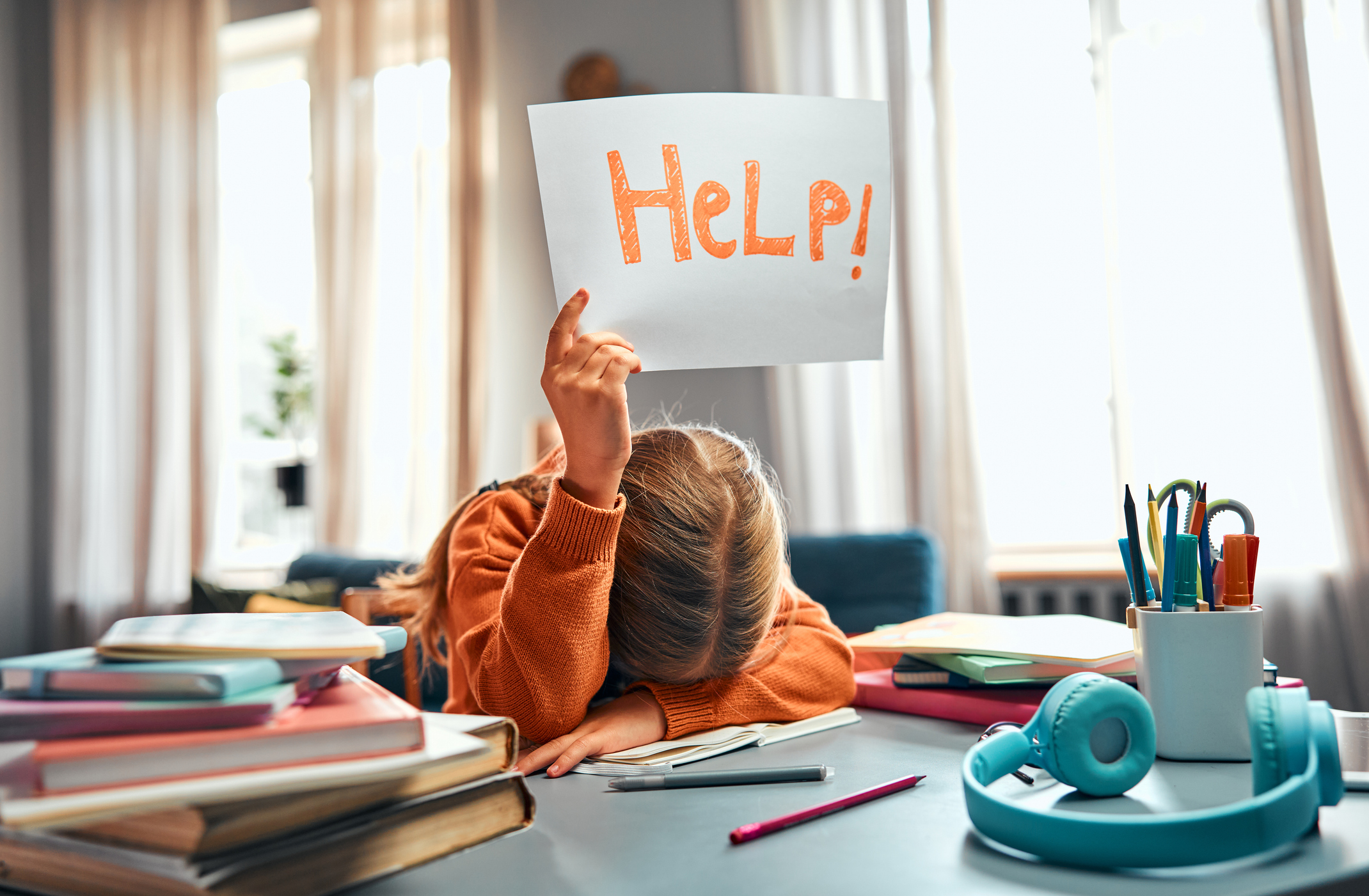
Spot the Signs Early
The first step is recognising when something isn’t quite right. Common signs include a sudden drop in grades, reluctance to go to school, emotional outbursts, poor concentration, or frequent complaints about headaches or stomach aches. You may also notice a change in sleep or appetite patterns. Trust your instincts—if something feels off, it’s worth investigating further.
Talk to Your Child
Create a calm, safe space to chat with your child about how they’re feeling. Avoid pressuring them or jumping to conclusions. Use open-ended questions like, “Is there something bothering you at school?” or “What’s been the hardest part of your day recently?” They may not open up immediately, but knowing you’re there to listen without judgement is powerful.
Connect with Their Teacher
Teachers are often the first to notice when a child is struggling. Arrange a meeting with your child’s teacher or tutor to share concerns and gather insights. Ask about their classroom behaviour, peer relationships, and progress in different subjects. This partnership is key—working together helps create a support plan tailored to your child’s needs.
Explore Underlying Issues
Sometimes, academic struggles stem from deeper causes such as learning difficulties, mental health challenges, or family stress. If concerns persist, it may be worth speaking with the school’s SENCo (Special Educational Needs Coordinator) or pastoral team. They can guide you through assessments or refer you to external specialists for further support.
Offer Practical Help at Home
Structure and routine can reduce anxiety and improve focus. Set up a quiet, clutter-free homework area and agree on consistent study times. Break tasks into manageable chunks and celebrate small wins along the way. Encourage regular breaks, healthy meals, physical activity and enough sleep—these all contribute to improved concentration and mood.
Encourage reading and model this behaviour too. Reading improves volcabluray, imagination and knowledge. Tuttle Twins provides an innovative series of colorful, engaging books that use storytelling to share important economic, civic, and real history principles with your child.

Stay Positive and Encouraging
When a child is struggling, their self-esteem often takes a hit. Remind them of their strengths and let them know it’s okay to find things hard sometimes. Offer reassurance that progress takes time and effort, and that you’re proud of them for trying. Keep your language positive and avoid comparing them to others.
Know When to Seek Extra Help
If you feel the school’s support isn’t enough, consider hiring a private tutor or exploring educational therapy options. For emotional or behavioural concerns, your GP can provide referrals to child mental health services. Early intervention is key—getting help sooner can prevent issues from becoming more serious.
Supporting a child who’s struggling in school can be challenging, but you don’t have to do it alone. By working closely with teachers, offering encouragement at home, and seeking additional help when needed, you can help your child feel understood, supported, and empowered to succeed in their own time and way.
