Bringing a baby into the world is one of the most wonderful moments of a mother’s life. For many mums, holding that beautiful bundle of joy in their arms is enough to wash away the pain of labour. However, for women who experience a difficult or traumatic birth, or for those who deliver large babies, they can be left with a very real reminder of labour in the form of a prolapse.
About pelvic organic prolapse
A pelvic organ prolapse is where one or more of the pelvic organs – the uterus, bladder, bowel or the top of the vagina – slips from its normal position into the vagina.
Symptoms may include:
- Feeling or seeing a bulge come out of your vagina
- A feeling of heaviness around your lower stomach and genital area or a dragging sensation inside your vagina
- Numbness or discomfort during sex
- Problems urinating
There are many treatment options for women experiencing prolapse, but we wanted to draw your attention to and warn you about one in particular: vaginal mesh.
What is vaginal mesh surgery?
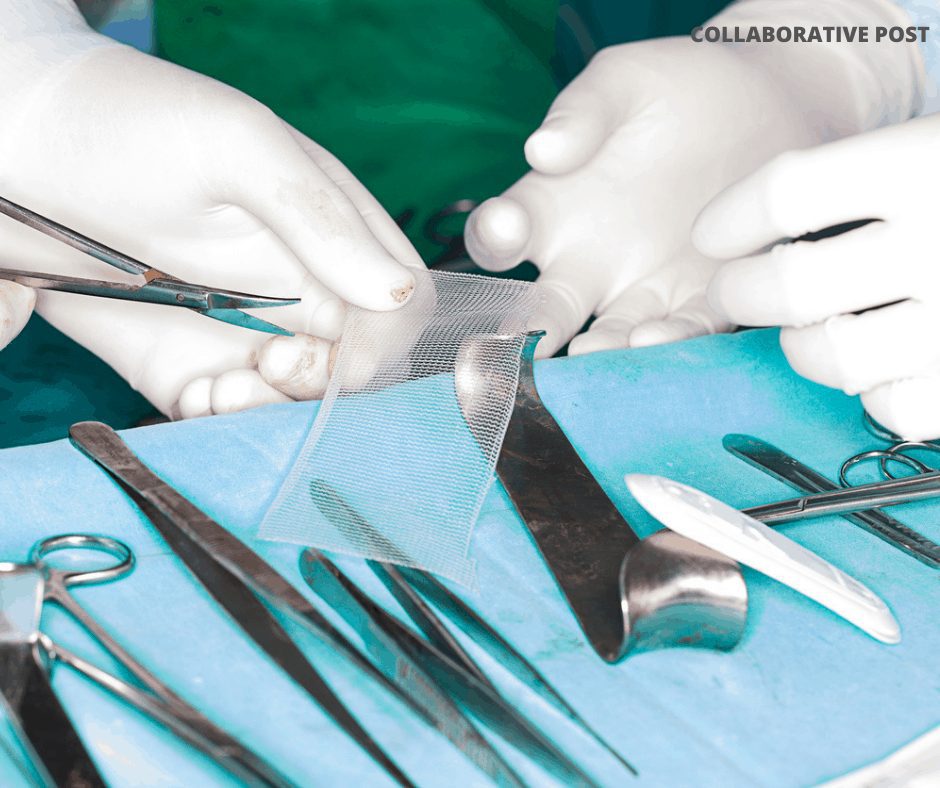
Vaginal mesh is a treatment option for pelvic organ prolapse; during the procedure, a surgeon inserts synthetic mesh to hold the organs in place. The mesh will remain in your body permanently.
According to the NHS, this type of treatment is not currently advised unless there are no alternatives, however it has been widely used in the past and has led to problems and permanent damage for many women.
Mesh surgery complications
Many patients who have been treated with mesh were not made adequately aware of the risks associated with the surgery. They were also not advised of the less invasive treatment options available beforehand.
The side effects of mesh surgery can be permanent and debilitating. The reported complications following vaginal mesh surgery include:
- Bleeding
- Chronic pain, especially in the abdomen and pelvic areas
- Bladder perforation
- Bladder infection
- Difficulty or inability to walk
- Haematoma
- Incontinence
- Vaginal erosion or scarring
- Mesh erosion or protrusion
- Bowel and nerve trauma
Issues may also arise when defective mesh implants are removed. For some women, however, removal of mesh is just not possible.
What to do if you are suffering following mesh surgery
If you are experiencing complications after having mesh surgery, it’s important you speak to your GP as soon as possible. Your GP should send you for tests to determine if the surgery has caused the problems you are experiencing. If your problems continue, don’t be fobbed off – insist you want further investigations to be carried out. If it is determined that your pain and suffering is because of the surgery, you may be eligible to make a vaginal mesh claim for compensation.
You can call Thompsons Solicitors for free, no obligation advice on making a mesh claim on 0800 0 224 224.
Thompsons Solicitors has specialist mesh lawyers who are currently acting on behalf of more than 400 clients who have suffered as a result of mesh implants.