Arguably one of the best things to come out of the pandemic was an increased awareness of one’s health. However, as with all of the lasting effects of the pandemic, this has started to wane. Realistically, your health is one of your greatest assets; if you aren’t doing everything you can to take care of yourself, then what is the point? Many people shy away from regular health screenings or avoid going to the doctor because they don’t want to know what might be wrong with them. However, this is not a good idea. The best way to stay healthy is to be proactive and get regular health screenings and check ups which will allow you to make any necessary changes before it becomes too late. Keep reading to learn more.
What are Regular Health Screenings?
Regular health screenings are tests that find diseases before symptoms appear; it allows doctors to detect diseases early and to offer treatments. Health screenings may find problems early, when the chances of a successful treatment are greatest. Many deaths can be prevented if people receive easy, routine health screenings, recommended by their doctors.
A healthcare provider such as Linbury Doctors may use a regular health screening to catch diseases early, when they are more treatable. When you regularly visit your doctor, he can catch a health condition or illness early. Health screenings are an effective way of finding out about a specific condition or disease early, even if you do not yet have signs or symptoms of the condition.
Identifying Health Risks in their Infancy
Arguably the most important role of a health screening is to assess your health and help to identify any health risks as soon as they emerge so that they can be dealt with before they have the opportunity to worsen. Regardless of whether the condition is acute or chronic, it can still be benefitted from an early diagnosis; in some instances, an early diagnosis can even be lifesaving. The NHS is overwhelmed at the minute, which makes it incredibly difficult for people to make appointments with their GP for something as simple as a health screening because it doesn’t necessitate an urgency. This is why a lot of people are choosing to go private. A private GP in London like the Phoenix Hospital Group – if that is where you are based, of course, there are options all over the country – can ensure that you are seen more quickly and the tests more comprehensive.

Allow You to Make Suggested Lifestyle Changes
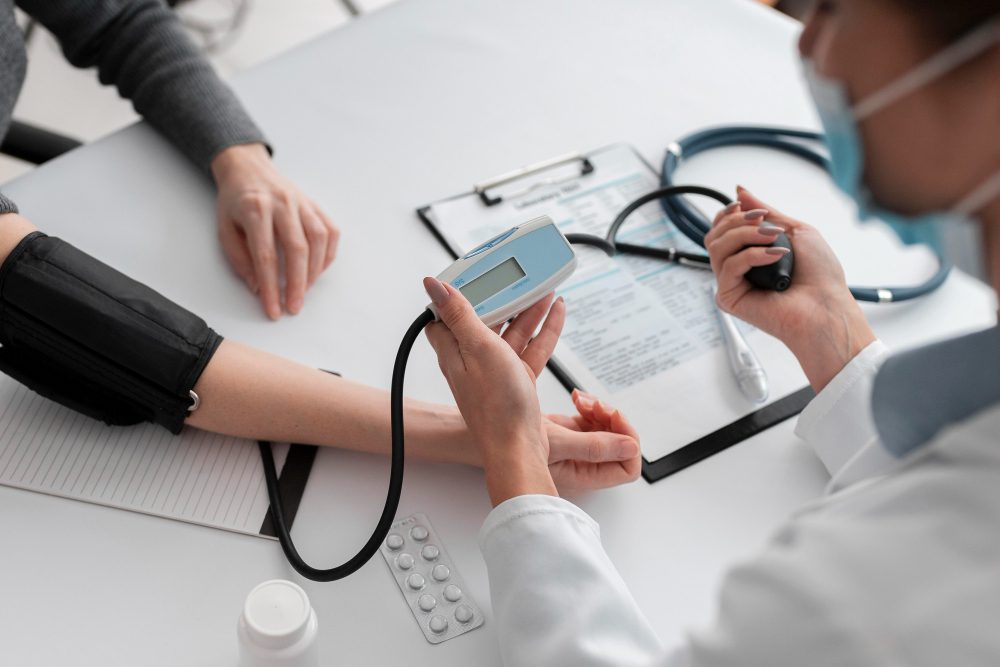
Through your regular health screenings, your doctor can begin to work out how your current lifestyle is impacting your health and wellness. They can then begin to make suggestions which allow you to be proactive in your approach to your health. These suggestions could entail dietary changes, an exercise plan or other lifestyle changes like quitting smoking, cutting down on your alcohol intake or incorporating more stress management techniques into your routine. During the screening, depending on the healthcare provider, they are likely to check your weight and blood pressure and take some blood to run tests on to check your cholesterol and blood sugar levels. Your results are then used to make the suggestions mentioned above.
Safeguard Against Familial Predispositions
A lot of people choose to have regular health screenings because they have a family history of certain illnesses or genetic risk factors that they want to keep an eye on. Only visiting your GP when you feel ill tends to mean that the visits are somewhat sporadic, which in turn, makes it difficult for them to keep track of your risks. During a health screening, you have the opportunity to really deep dive into your risk factors and family history. These, combined with your test results, often help to inform the lifestyle changes suggested by your doctor.
The Importance of Preventative Care
Preventive care may stop diseases in their tracks for some people. Preventing some illnesses and diseases may help you maintain a higher standard of health, as well as avoiding side effects and problems that are associated with preventing medical conditions. If you have a family history of diabetes, cardiovascular disease, or stroke, health screenings can assist in the prevention process and give you prompt care. Routine health screenings are also important as they may help to identify risk factors for heart and stroke conditions.
Many conditions could be prevented with routine screenings and medical visits, or else caught early, before they become serious threats. Early detection of certain conditions can allow room for positive lifestyle changes, which may have a far wider effect on health and wellbeing later down the line.
It is however important not to confuse screening with prevention, and some believe having regular screening tests will keep them safe from getting sick. The importance of regular health checks lies in early detection.

The Bottom Line
The aim for most people is to grow old. They want to hang around for as long as they possibly can. Regular health screenings can be beneficial to that end. Obviously, there are always going to be things that are out of your control when it comes to your health; some diseases cannot be planned for and are often hard to prevent. We routinely get routine dental and vision checks, but few people are really willing to invest time and money in screening tests. That being said, as mentioned above, regular health screenings are the best way to identify health risks work out the best way to deal with them before they become too bad.