Image Credit: Unsplash
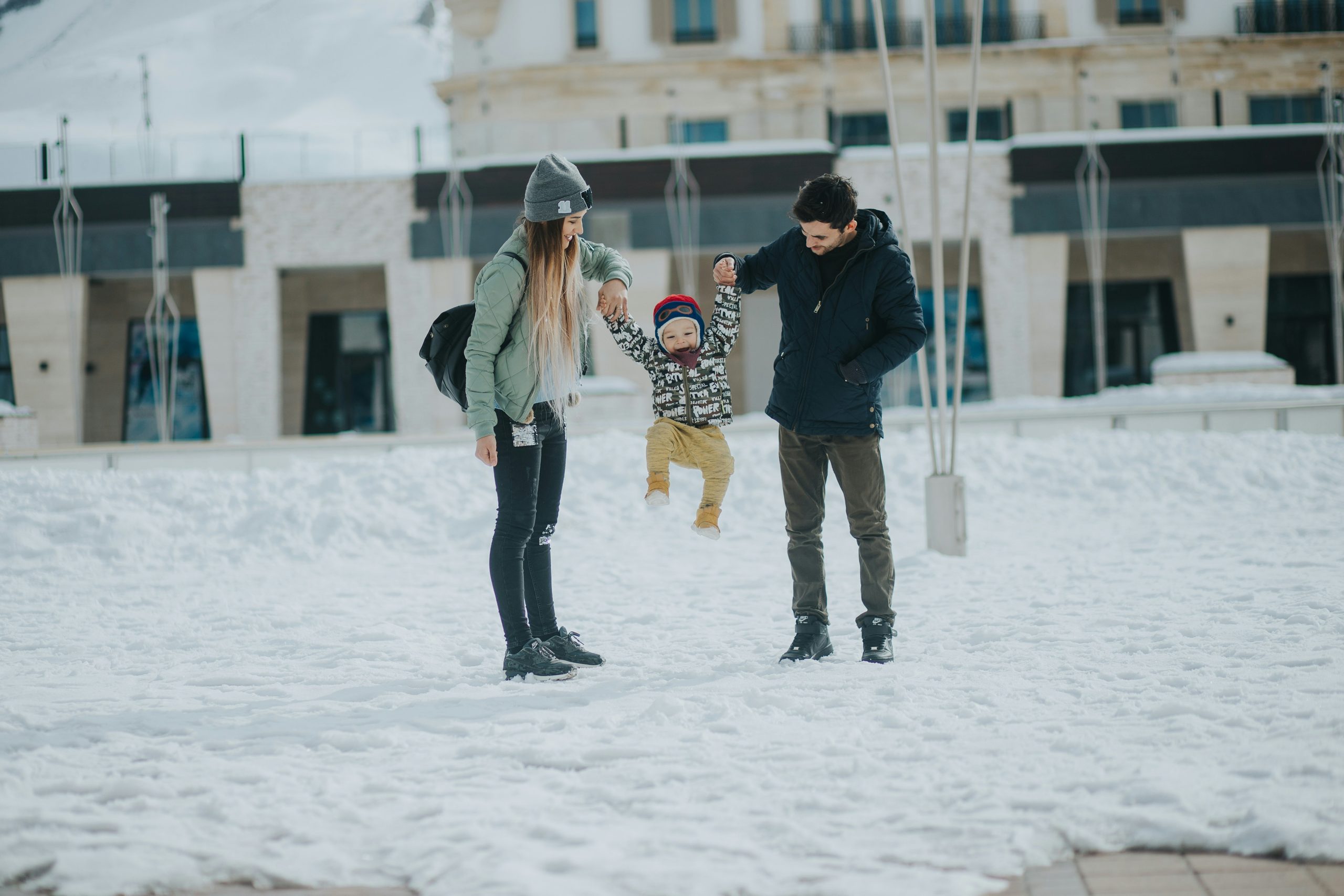
Getting the family out of the house and into the fresh air is one of the best ways to spend quality time together. From a muddy stomp through the local woods to a blustery day at the seaside, these shared experiences create the memories that stick with us for life. Yet, as any parent knows, a fun family outing can quickly go downhill if someone gets cold, wet, or just plain uncomfortable. The secret to successful and happy family adventures isn’t about having the most expensive gear or travelling to exotic locations; it’s about being prepared. A little bit of planning to ensure everyone stays warm and dry can transform a potentially miserable day into a brilliant one, full of laughter and exploration.
The Joy of Family Outdoor Time
In our busy lives, finding time to simply be together outdoors can feel like a challenge, but the rewards are huge. It’s more than just getting a bit of exercise; it’s about disconnecting from screens and reconnecting with each other and the natural world. Studies and parenting experts consistently highlight the benefits. Spending time in nature can improve mental health, reduce stress, and boost creativity for both children and adults. There are so many simple ways to spend more time outside that don’t need a huge amount of effort or planning.
When children are given the freedom to run, jump, and explore, they develop physical confidence, coordination, and resilience. A fallen log becomes a balance beam, a stream becomes a world to be navigated, and a pile of leaves becomes a fort. This kind of unstructured play is vital for their development. Plus, these shared adventures help to establish a family culture that values nature and an active lifestyle. These are the moments when real conversations happen, away from the distractions of home. You’re not just making memories; you’re building a foundation of well-being for your entire family. Even a simple walk after dark can become one of the most exciting night-time family adventures with the right preparation.
Preparing for All Seasons
The British weather is famously unpredictable, which is why the number one rule of any outdoor excursion is to check the forecast before you leave. However, it’s always wise to prepare for a change. A sunny morning can easily turn into a drizzly afternoon, and being caught out without the right kit is a recipe for grumpy kids and a swift retreat home. Preparation doesn’t need to be complicated; it’s about having a basic understanding of what each season demands.
In the summer, the focus is on sun protection. This means high-factor sun cream applied before you leave and topped up during the day, along with wide-brimmed sun hats and sunglasses for everyone. Lightweight, loose-fitting clothing in light colours will help keep everyone cool. Always pack more water than you think you’ll need to stay hydrated. This preparation is crucial for any adventure, whether you’re embarking on a solo hike or family outdoor activities with young children.
Autumn and winter require a different approach, with the main goals being to stay warm and dry. Waterproofs are non-negotiable. A good waterproof jacket and trousers for each family member are a sound investment that you will use time and time again. Look for jackets with hoods and taped seams for maximum protection against the rain. Footwear is also critical; nothing ends a walk faster than wet, cold feet. A sturdy pair of walking boots or wellies will keep everyone comfortable and ready to splash in every puddle they see.
Protecting Extremities in Cold
When the temperature drops, it’s often our hands, feet, and heads that feel the cold first. These areas are most vulnerable to heat loss, and once they get cold, it can be incredibly difficult to warm them up again whilst you’re still outside. A child with painfully cold fingers or toes is an unhappy child, and no amount of encouragement will keep the adventure going. This is why paying special attention to hats, gloves, and socks is so important.
A warm, well-fitting hat is essential as a significant amount of body heat is lost through the head. Look for fleece-lined beanies or hats with ear flaps for extra protection on windy days. For feet, forget cotton socks, which hold moisture and make feet feel colder when they get damp. Instead, opt for socks made from wool or synthetic blends designed to wick moisture away from the skin, keeping feet dry and warm inside their boots.
Hands are particularly tricky to keep warm, especially for children who want to pick things up and explore. A good pair of waterproof and insulated gloves is one of the best investments you can make for winter outings. Investing in a good pair of waterproof gloves is essential, and high-quality options like sealskinz gloves can make the difference between a fun snowball fight and an early retreat home. Having a spare pair of gloves for each child in your bag is also a great tip, as they inevitably get wet.
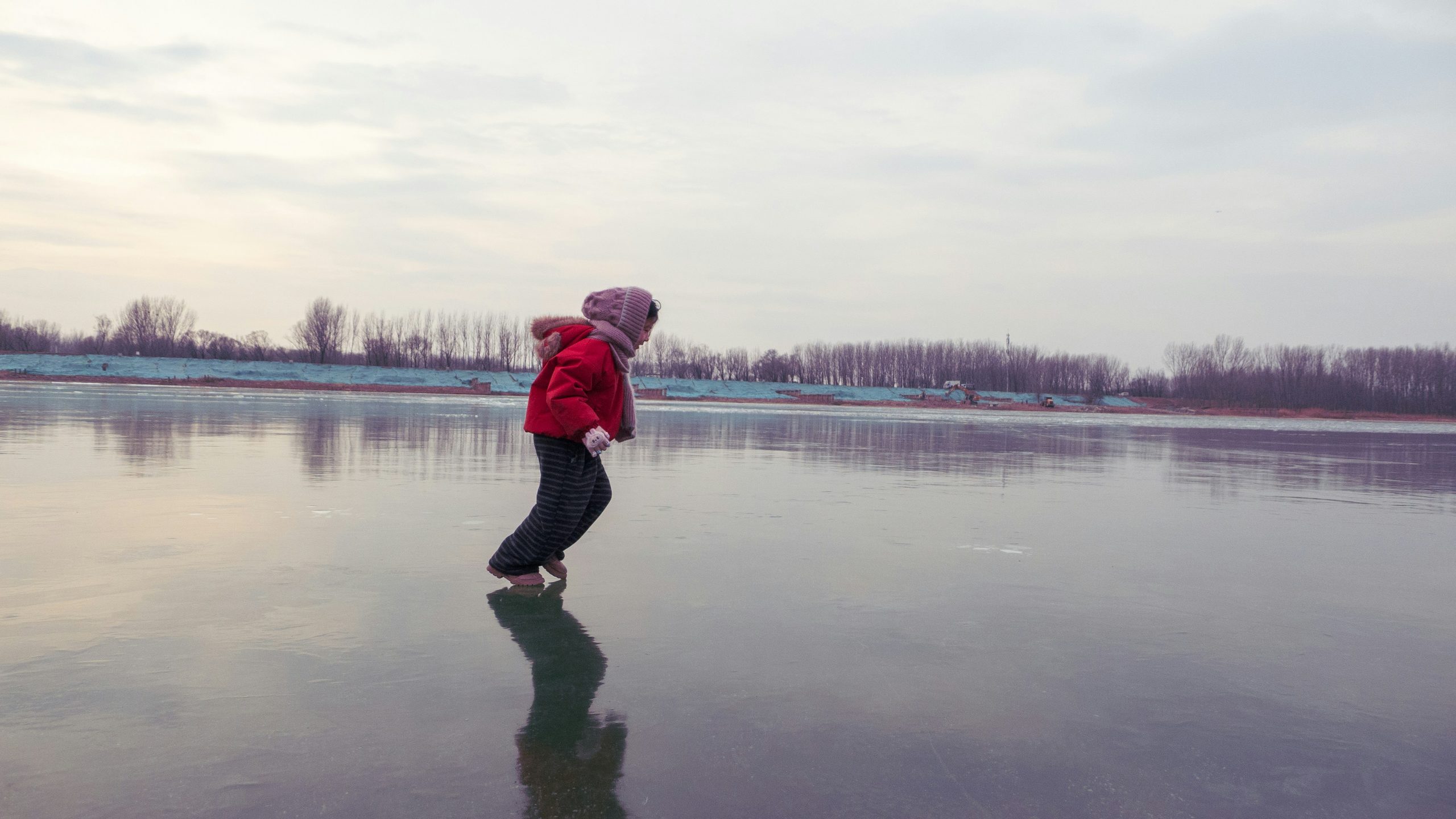
Image Credit: Unsplash
Layering for Optimal Warmth
The key to staying comfortable in cold or changeable weather is the art of layering. Dressing your family in layers allows you to adapt to changing conditions and activity levels. If you start to feel too warm during a brisk walk, you can simply remove a layer. If you stop for a picnic and start to cool down, you can add one back on. The system is simple and typically involves three main layers.
- Base Layer: This is the layer worn next to the skin. Its main job is to wick sweat and moisture away from your body to keep you dry. Look for materials like merino wool or synthetic fabrics such as polyester. Avoid cotton at all costs for this layer, as it absorbs moisture and will make you feel cold and clammy.
- Mid Layer: This is your insulating layer. Its purpose is to trap body heat to keep you warm. Fleeces are a fantastic and popular choice for a mid-layer. They are lightweight, breathable, and stay warm even if they get a bit damp. A down or synthetic insulated jacket can also work well as a mid-layer on very cold days.
- Outer Layer (or Shell): This is your protection from the elements. It should be both waterproof and windproof to keep you shielded from rain, snow, and wind. A good shell layer will also be breathable, allowing the moisture wicked by your base layer to escape, preventing you from getting sweaty and then cold.
Using this three-layer system helps you easily regulate your temperature and ensure everyone stays comfortable, no matter what the weather throws at you.
Post-Adventure Comfort Tips
The adventure doesn’t end the moment you walk back through the front door. The post-outing ritual is just as important for cementing the day as a positive experience. Creating a cosy and comforting routine for when you get home can be something the whole family looks forward to. It’s the perfect way to wind down and share stories from your day out.
First things first, get everyone out of their damp or muddy outdoor gear and into something warm and comfortable. Think fluffy jumpers, soft jogging bottoms, and cosy slippers. A warm bath or shower can work wonders to soothe tired muscles and chase away any lingering chill. Adding some bubbles or bath toys for the little ones makes it even more of a treat.
Next, it’s time for a warm drink and a snack. A mug of hot chocolate topped with marshmallows is a classic for a reason. For a healthier option, warm milk or a fruit tea can be just as comforting. Pair it with a simple snack like toast and jam, a bowl of soup, or some freshly baked biscuits. This is the perfect time to sit down together, relax, and chat about the best parts of your adventure. For more ideas on building these positive habits, the Happy Outdoor Families podcast offers plenty of inspiration for making outdoor time a joyful part of family life.
With a bit of thought and preparation, you can ensure your family adventures are remembered for all the right reasons. Staying comfortable allows everyone to fully enjoy the magic of the outdoors, creating happy memories that will last a lifetime.