Outdoor spaces have become more than just a spot for the odd barbecue or paddling pool. For many families, gardens now serve as an extension of the home — a place to relax, entertain, or simply escape the everyday. As outdoor living has taken centre stage, design choices are stepping up too, with more attention given to finishes, layout, and atmosphere. One element making a quiet but noticeable statement? Texture — and slatted finishes are leading the way.
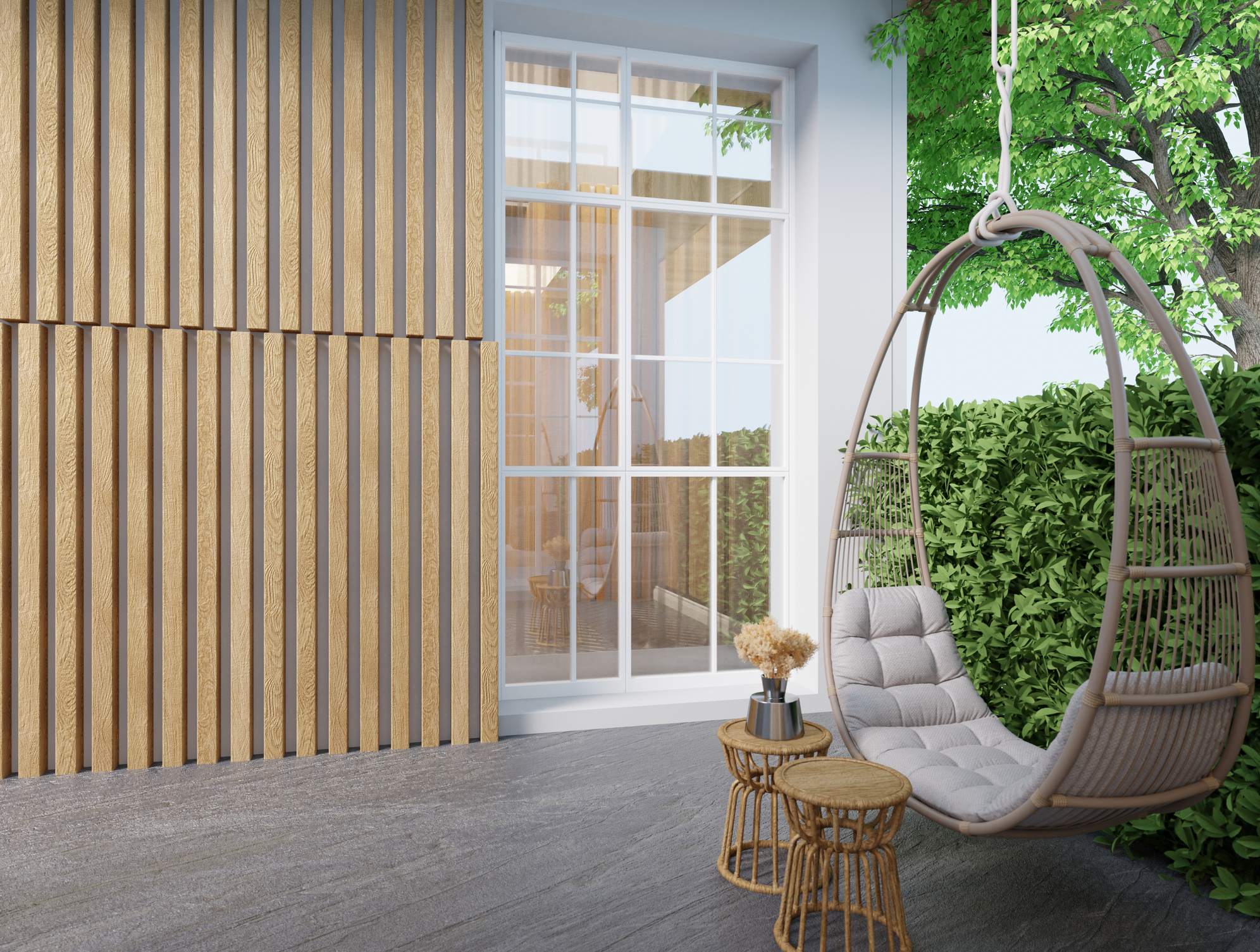
What Is Slatted Cladding and Why Is It Trending?
Slatted finishes refer to horizontal or vertical panels that create a layered, linear effect. Once a feature more commonly seen in modern interior design, slatted surfaces have now made their way outdoors — and for good reason. They introduce subtle detail without overwhelming the space, and can make even the smallest garden feel more stylish and structured.
Slatted cladding in particular is becoming a go-to option for those wanting to update tired fences, screens or garden walls with something that looks intentional and polished. The design feels contemporary, yet understated — it suits clean-lined patios as well as more rustic garden settings.
One of the reasons it’s growing in popularity is its ability to blend design flair with practicality. While the visual appeal is obvious, slatted cladding can also help define different areas in the garden, add privacy, or act as a subtle backdrop to highlight plants and other features.
Aesthetic Flexibility Across Outdoor Spaces
A big draw of slatted cladding is how adaptable it is. Whether you’re working with a compact city garden, a family-sized lawn, or even a rooftop terrace, the clean lines and natural texture suit all types of layouts. It can be used as a feature wall behind a dining set, to frame an outdoor seating area, or to soften the transition between different zones.
For families looking to update the look of their outdoor space without doing a full redesign, slatted finishes are a simple way to inject character. Just a few panels can refresh the mood and set a stylish tone that flows from the indoors out. They also pair well with materials many people already have in their gardens — whether that’s brick, stone, gravel, or decking.
And the best part? It doesn’t have to look overly polished. Slatted cladding brings enough structure to feel designed, without making the space look overworked or artificial. It sits comfortably alongside everything from weathered wood furniture to sleek outdoor lighting.
Pairing with Greenery and Hard Landscaping
The contrast between linear slatted designs and soft planting is where this trend really shines. Vertical slats, in particular, can make greenery pop — whether that’s tall grasses, flowering climbers, or even potted shrubs. The straight lines act almost like a canvas, letting natural shapes and colours take centre stage.
For families who’ve invested in hard landscaping such as paving or decking, slatted finishes help tie everything together. The repeated lines draw the eye across the space, adding flow and cohesion. They can also help break up areas of hard material, softening edges and providing visual interest without relying solely on plants.
Another clever use? Hiding or disguising less attractive garden features, like bins, sheds, or air conditioning units. A simple slatted screen offers a far more stylish way to conceal them than traditional fencing or trellis.
A Timeless Design Move for Gardens Big and Small
Trends in garden design come and go, but texture always has staying power. Slatted cladding adds depth and interest to a space without feeling trendy or temporary. It works in all seasons and across a range of styles — from contemporary to classic, minimalist to lush.