If there’s one household nuisance that creeps in quietly but causes a world of hassle, it’s damp. It sneaks behind furniture, clings to ceilings, and before you know it, you’re googling mould removal tips while trying to juggle dinner, homework and bath time. The problem with damp is that it doesn’t just make your walls look miserable—it can also affect your children’s health, your home’s structure, and your sanity. Yet, many parents don’t realise there’s a problem until it’s well established.
Let’s pull back the curtain (hopefully not a soggy one) and take a look at what causes damp, how to spot it early, and what you can do to stop it from taking over your home.
What Causes Damp in the Home?
There isn’t one single culprit when it comes to damp—it’s usually a mix of everyday factors. Condensation is a big offender, especially in busy family homes where drying clothes indoors or boiling pots of pasta are part of daily life. Then there are leaking pipes or guttering, damaged roof tiles, or even water seeping in from outside walls during heavy rain.
Poor ventilation is another sneaky cause. If air isn’t allowed to flow, moisture lingers and sets up camp on your walls and windows. And let’s not forget the more structural reasons—rising damp can come up through the ground when there’s no proper barrier in place.
Signs You Might Have a Damp Problem
Spotting damp early can save a lot of stress later. Look out for telltale signs like musty smells that don’t go away, especially in corners or wardrobes. Mould patches on walls and ceilings are more obvious red flags. Wallpaper bubbling or peeling, paint flaking, or damp spots on walls can also be signs that moisture is getting in where it shouldn’t.
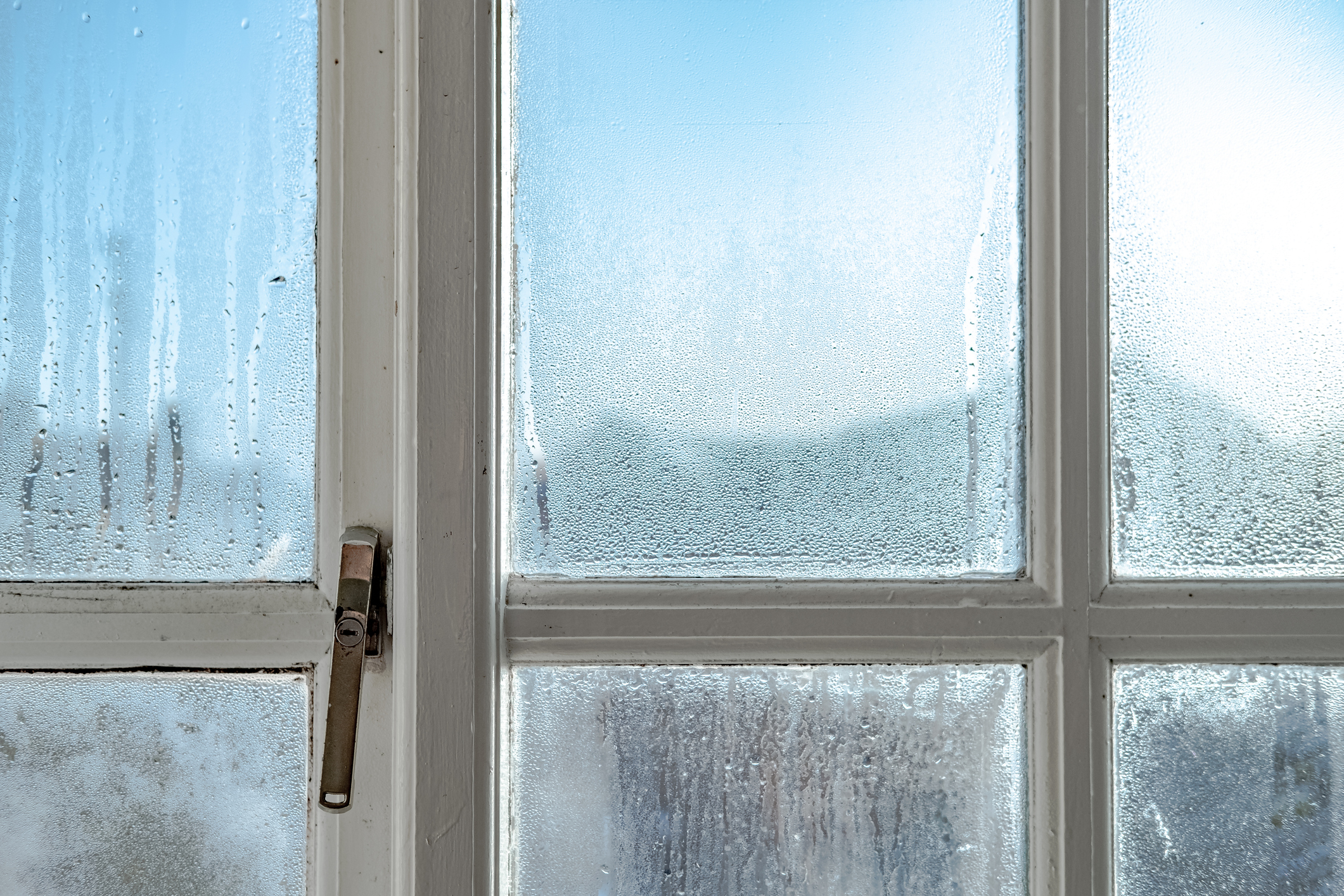
If your windows are constantly fogged up or have droplets running down them, that could be a sign too—especially if it’s happening away from kitchen or bathroom areas. It is worth considering a professional damp inspection by damp proofing specialists in Sheffield or other areas, to assess your home’s needs.
Why Prevention Matters for Family Health and Comfort
While peeling paint is annoying, the real concern is how dampness affects your family’s health, particularly young children. Damp conditions often lead to mould growth, and mould spores can aggravate asthma, allergies, and other breathing problems. For babies and toddlers, whose immune systems are still developing, this can be especially troubling.
There’s also the comfort factor. A damp home feels cold and clammy, even when the heating’s on, and no one wants their children going to bed with a chill—or worse, dealing with a chesty cough brought on by poor air quality.
And let’s be honest: having to fork out for repairs when things have got out of hand is the last thing any parent needs on top of school runs and sleep schedules.
Simple, Effective Ways to Prevent Damp
Here’s the good news: Preventing damp doesn’t have to mean major home renovations. There are some straightforward steps that can make a big difference:
- Keep the air moving: Open windows when weather permits, especially after showers or when cooking. Trickle vents and extractor fans are your friends.
- Watch for leaks: Check pipes under sinks and behind the toilet for slow drips. A small leak today can mean a wall repair tomorrow.
- Dry washing with care: If possible, dry clothes outside or in a well-ventilated room. Use a dehumidifier if you need to dry indoors regularly.
- Don’t block air bricks or vents: It’s tempting to cover them up to stop draughts, but they serve a purpose.
- Regular checks: Give your home a quick once-over every few months—check windows, ceilings, and behind furniture. Spotting issues early makes fixing them easier.
If you think you’re already experiencing problems with damp, it’s worth getting an expert opinion before things get worse.
The Bottom Line
Damp might be sneaky, but it’s not unstoppable. With a little awareness and a few simple habits, you can keep it at bay and give your family a home that feels clean, comfortable, and dry—no industrial-strength dehumidifier required. For parents juggling everything from laundry mountains to LEGO landmines, that peace of mind is worth a lot.