Anxiety in school-age children has become more visible in recent years, partly because we are better at recognising it and partly because there is genuinely more of it about. If your child is struggling, you are not alone, and the situation is much more manageable than it might feel. Here is what helps most, drawn from teachers, school counsellors and parents who have walked this path.
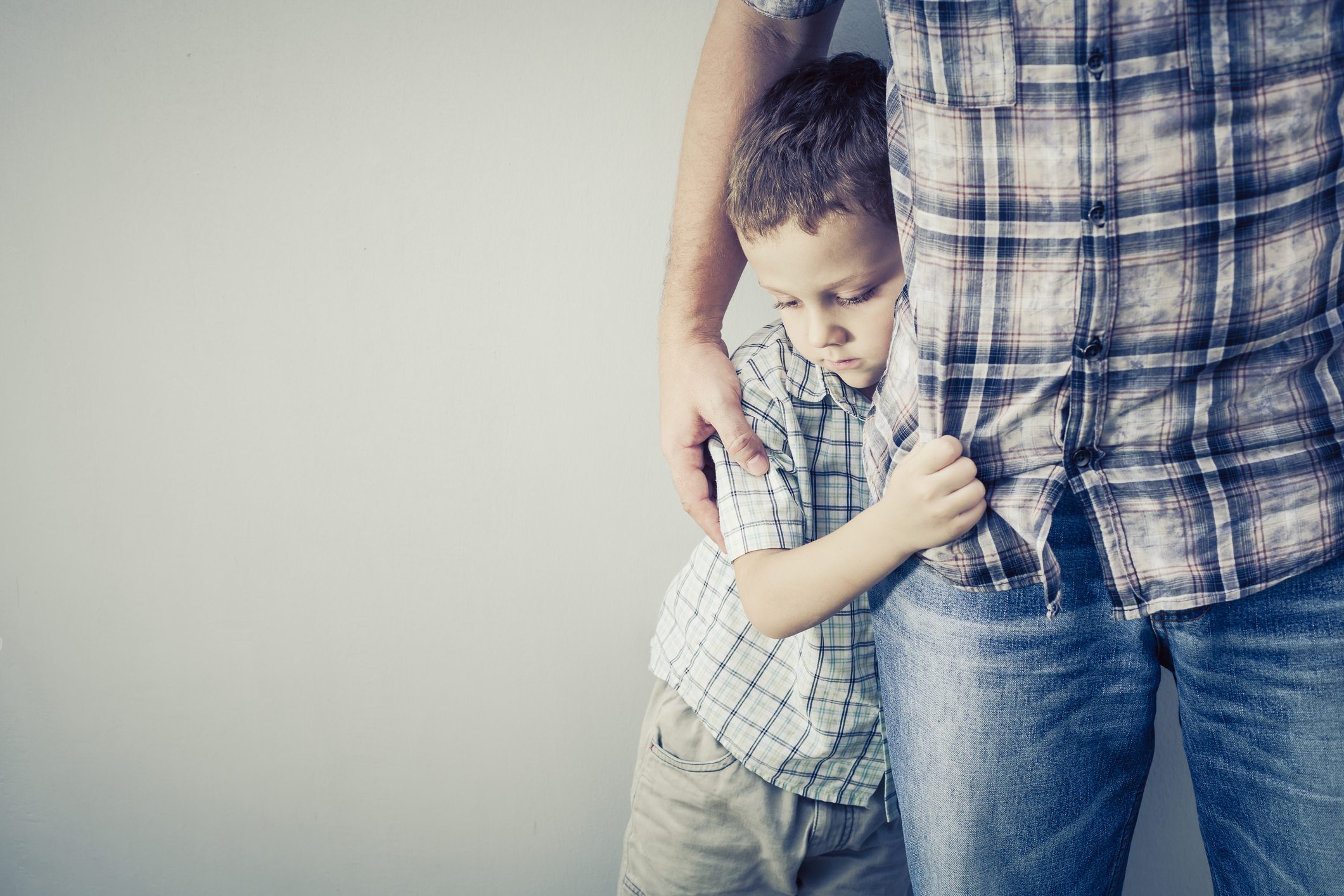
Take the Anxiety Seriously
The most common parental instinct when a child describes anxiety is to reassure them that everything is fine. This is well-meant, but it often makes things worse. The child concludes that their feeling is wrong, or that they should not be sharing it.
A better response is to take the feeling seriously. That sounds really hard. Tell me more about what makes you feel that way. This kind of validation is itself part of the treatment. The child learns that their internal experience is taken seriously by the adults in their life, and that the adults will help them work through it rather than dismiss it.
Find the Specific
School anxiety almost always has specific triggers, even when the child describes it as general. The first useful piece of work is to gently identify what the triggers actually are.
- Is it a particular subject, teacher or time of day?
- Is it about a specific friendship or social situation?
- Is it about academic performance, public speaking or tests?
- Is it about a sensory issue, like noise or crowds?
- Is it about transitions, like the start of the day or the move between lessons?
Once you have the specific, the response can be specific too. General reassurance rarely helps. Targeted support, often does.
Work With the School
The single biggest predictor of how well anxiety is managed in childhood is the strength of the relationship between home and school. Senior schools with a strong pastoral framework often have well-developed systems for supporting anxious pupils, ranging from pastoral tutors and counsellors to gentle adjustments in how a particular day is structured. King Edwards Witley and many similar schools take pastoral care seriously, and the staff are usually ready to work in partnership with families.
Reach out. The form tutor, head of year and school counsellor will all have seen this before. They are likely to have practical ideas, and they will appreciate being kept informed.
Build the Practical Tools
Children handle anxiety better when they have concrete tools they can use in the moment. These can be taught at home and reinforced at school. Some that work well across many situations:
- Box breathing: in for four, hold for four, out for four, hold for four. Calms the nervous system within a minute.
- The five senses anchor: name five things you can see, four you can hear, three you can touch, two you can smell, one you can taste. Pulls attention out of internal worry.
- A small grounding object in the pocket. A smooth stone, a coin, a worry bead. Reaching for it in the moment is a useful reset.
- A scheduled time later in the day to think about the worry, rather than letting it run all day.
Sleep, Food and Movement
The physical foundations matter enormously in childhood anxiety. A tired, under-fed, under-exercised child will experience anxiety more acutely than the same child well-rested, well-nourished and physically active. Before any other intervention, audit these three basics and shore them up.
Anxious children often have disrupted sleep, which makes the anxiety worse, which disrupts the sleep further. Breaking this cycle is one of the most useful things you can do, and a consistent bedtime routine is the most reliable tool for it.
When to Seek Professional Support
Most childhood anxiety is mild and resolves with good support at home and school. Some, however, is more severe and benefits from professional help. Signs to look out for: anxiety that is interfering with daily activities, sleep disturbance that does not respond to routine, weight changes, persistent low mood, self-harm or talk of self-harm, panic attacks.
If any of these are present, speak to your GP. Early intervention is consistently the best predictor of good outcomes. Schools like King Edwards Witley will often be able to suggest local resources and work alongside any professional support.
The Long View
Children who learn to manage anxiety in childhood, with support, often grow into adults with unusually good self-knowledge. They have learned, early, what their internal warning signs are, what helps them and what does not. That is a more useful skill set than most never-anxious adults possess.
The work of supporting an anxious child is slow, sometimes frustrating, often rewarding. The child you are helping today is laying down patterns they will draw on for the rest of their life. For more on senior school pastoral care, visit https://www.kesw.org/.
About the Author
This article was contributed by King Edward’s Witley, an independent co-educational day and boarding school in Surrey, with a strong pastoral framework and a tradition of supporting pupils through their teenage years.
Learn more: https://www.kesw.org/