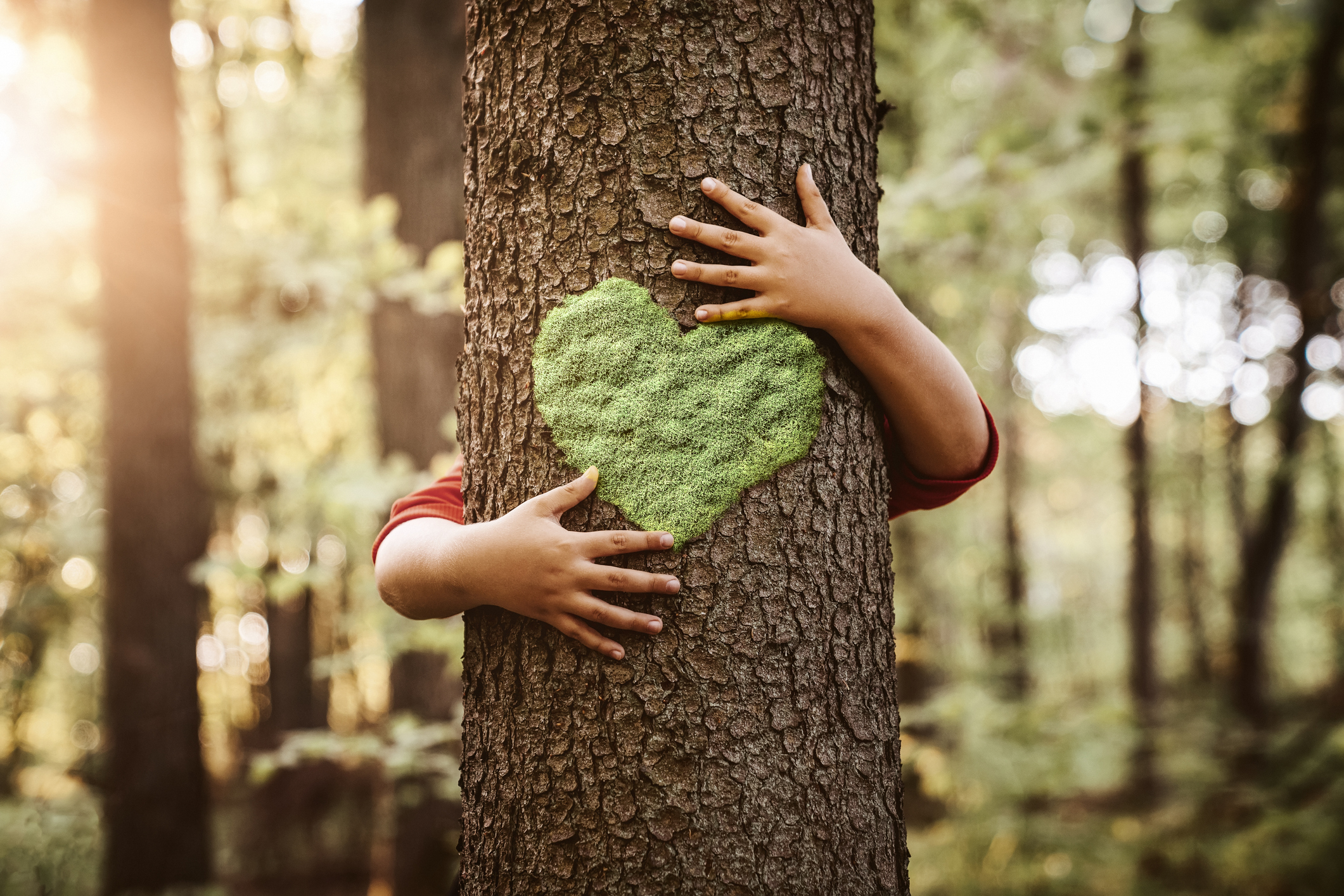
If you offered most parents a free, evidence-based, side-effect-free way to improve their child’s mood, sleep and focus, they would take it without hesitation. The slightly surprising thing is that this intervention exists, has been studied extensively, and is available outside almost every front door. It is the simple act of walking in nature, regularly, as a family.
The headline finding
Children who spend at least two hours a week in green space, ideally outdoors with a parent, show meaningful improvements in mood, sleep, focus and behaviour. The effect is not subtle and the evidence is now substantial.
Why It Works
Several mechanisms appear to be in play. Sunlight helps regulate circadian rhythm, which improves sleep, which improves mood. Physical activity releases compounds in the brain that act as gentle, natural antidepressants. Time spent looking at trees, sky and water seems to reduce the kind of mental fatigue that screens and indoor environments create. And, importantly for children, a nature walk is one of the few situations in modern life where a parent and child are alongside each other for an hour, undistracted, with nothing else to do.
Make It a Regular Thing
Schools have been quietly catching up with the research. Prep schools with strong forest school and outdoor learning traditions often build outdoor sessions into the weekly timetable, recognising that the children come back to the classroom calmer, more focused and better able to learn. Kew College and many similar schools have made outdoor time a structural feature of the school week rather than an occasional treat.
Mirror that at home. A weekly family walk, ideally on the same day each week, is one of the most reliable wellbeing investments you can make. The exact location matters less than the consistency.
Three Ways to Make Walks Easier With Children
Children often resist the idea of a walk and then enjoy it once they are out. A few tricks help bridge that gap:
- Give the walk a purpose. A scavenger hunt, a particular tree to visit, a pond to look at. Children walk more willingly with a goal.
- Bring a snack and a drink. Most child grumpiness on walks is, at root, hunger or thirst.
- Let them stop. Children walk differently from adults. They stop, examine, throw stones, climb things. Build that into your expectations of how long the walk will take.
The Mental Health Picture
Childhood anxiety, low mood and attention difficulties have been rising steadily for years, and there is no single cause. What is clear is that time outdoors is one of the most consistent buffers against these difficulties. Children who spend more time in green space tend to report lower anxiety, better sleep and stronger attention, even when other factors are controlled for.
For a child already struggling with anxiety or low mood, a regular nature walk is not a cure. But it is a real component of a good response, and it sits alongside other supports such as good sleep, family time and, where appropriate, professional input.
Quality of Attention, Not Volume of Activity
The walks that produce the most benefit are not the most strenuous. They are the most attentive. A slow walk in which a child notices five different kinds of leaf, identifies two bird calls, finds a feather and watches a stream do its work is doing far more than a brisk three-mile route in which nothing is noticed.
Help your child slow down and pay attention. Point things out. Ask what they can hear. Crouch down to their eye level occasionally. The walk is partly a workshop in noticing, which is a skill that travels into the rest of their life.
Phones Off
If you only do one thing to maximise the benefit of family walks, it is this: leave the phones in the car or at home. The mental shift that nature can produce is much harder when your or your child’s attention keeps being pulled back to a screen.
Even one phone, if it is occasionally checked, changes the texture of the walk. A walk without phones, even a short one, often produces a noticeably different mood by the time you get home.
Build the Habit Now
Children who walk in nature with their families regularly tend to grow into adults who continue the habit. The mental wellbeing benefits do not stop at eighteen. The walking, hiking and outdoor time that adults rely on for their own equilibrium is often the continuation of a habit that started in childhood.
Start now, even if it is small. A Saturday morning loop around the local park. A Sunday afternoon stretch in the woods. An hour after school on the heath. These small, regular acts of getting outside accumulate, in your child’s wellbeing now and across their entire life. For more on outdoor learning in a leading prep school, visit https://www.kewcollegeprep.com/.
About the Author
This article was contributed by Kew College Prep, an independent prep school in south-west London with a strong creative and outdoor learning tradition.
Learn more: https://www.kewcollegeprep.com/