Energy bills have become one of the most stressful household documents of the past few years. They are often longer, more complicated and harder to predict than they used to be. The good news is that the underlying logic is much simpler than the printed bill makes it look. Once you know what to look for, you can read your bill, spot the patterns and make better decisions about your home.
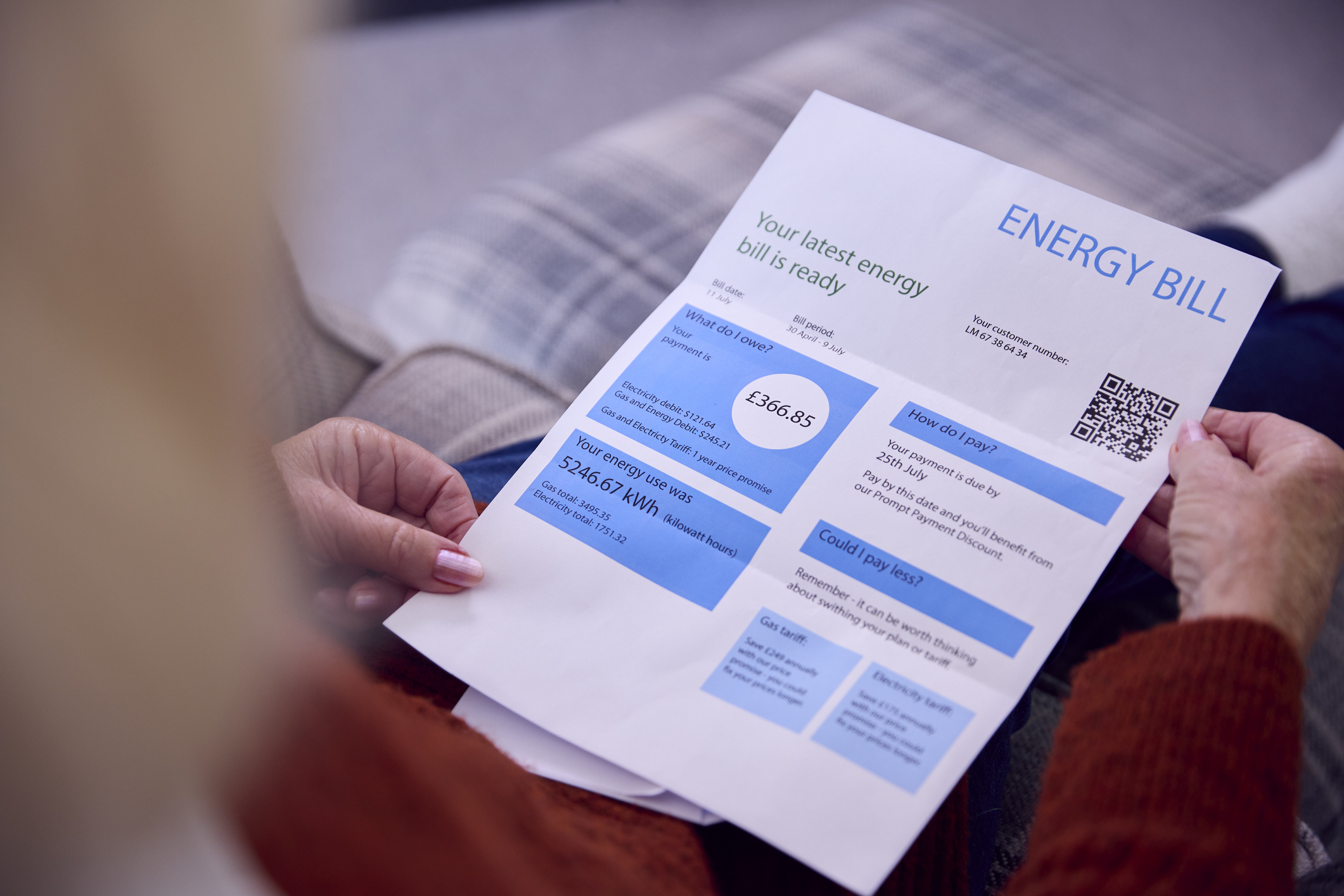
The Three Numbers That Matter Most
Buried in every energy bill, however cluttered, are three numbers that explain almost everything else.
- The standing charge. A fixed daily fee you pay just for being connected to the grid, regardless of how much energy you use.
- The unit rate. The price you pay per kilowatt-hour, often shown as p/kWh, of gas or electricity.
- The total usage. The total kilowatt-hours of energy you have consumed during the billing period.
Multiply the unit rate by the total usage, add the standing charge for each day, and you have, in effect, your bill. Everything else on the document is breakdown, regulation or branding.
Why Bills Vary So Much From Month to Month
Most households use far more energy in winter than in summer, particularly if the home is heated with gas or electricity. A bill in February can easily be three or four times a bill in August. Direct debit smoothing tries to even this out across the year, which is helpful for budgeting but sometimes leaves customers with a bill that does not match the season.
If you pay by direct debit, look at the year-end statement rather than any single monthly figure. The full picture is annual, not monthly, and judging your usage by one cold-month bill rarely tells the right story.
What Drives the Cost in a Typical Home
In most British homes, four things account for the bulk of energy use: space heating, hot water, cooking and the bigger electrical appliances. Energy and utilities professionals working with British households consistently report that small adjustments to these four areas produce most of the saving people achieve. JSM Group and many similar providers see this pattern across thousands of properties.
- Heating typically accounts for around 50% of a household’s energy bill.
- Hot water adds another 15% to 20%.
- Cooking, lighting and other electrical use makes up the rest.
- Small appliances and chargers are usually tiny contributors compared to heating and hot water.
Reading Your Meter Yourself
One of the most powerful things you can do is read your own meter regularly. Once a fortnight is enough. Note the readings down. Within a few weeks you will start to see how your daily usage tracks weather, occupancy and habits.
This is the single most reliable way to spot a problem early. A sudden jump in usage with no obvious cause may indicate a leak in the heating system, a faulty appliance or a thermostat issue. Catching this early can save hundreds of pounds.
Small Changes With Real Impact
Energy efficiency advice often skews towards the dramatic and expensive. The reality is that several small, undramatic changes typically deliver most of the saving:
- Drop the thermostat by one degree. Saves around 10% of heating cost in many homes.
- Service the boiler annually. A poorly tuned boiler can quietly waste 10% to 15% of fuel.
- Bleed the radiators. Air pockets reduce efficiency, especially in older systems.
- Use the washing machine on 30 degrees where possible. Almost all the energy goes to heating water.
- Switch to LED bulbs throughout the house. Lifetime savings dwarf the upfront cost.
When to Get Independent Advice
If your bill seems unusually high, or you have made significant changes without seeing a corresponding drop in usage, it can be worth bringing in an expert. A qualified energy assessor or an experienced installer can identify problems that are not obvious to the homeowner.
JSM Group and similar utilities specialists work with thousands of households each year. The patterns they see can be informative even before any work is commissioned. A short conversation about your bill, your boiler and your heating habits will often reveal one or two changes worth making.
The Long-Term Picture
Energy bills are likely to remain a meaningful part of household budgets for the foreseeable future. The households who handle this best are not those who panic in winter and forget in summer. They are those who pay attention to their meter, understand their bill, make a few sensible adjustments and revisit them once a year.
It is an unglamorous habit, but the cumulative saving over a decade is significant, and the peace of mind is worth more than any saving. For more on energy and utilities for households, visit https://www.jsmgroup.com/.
About the Author
This article was contributed by JSM Group, a leading provider of energy, utilities and infrastructure services across the UK, working with thousands of households and commercial properties each year.
Learn more: https://www.jsmgroup.com/