
As the winter months arrive and the days get colder and darker, this time of year can represent different challenges for your home compared to the summer months. This makes the idea of protecting your home in Winter one of those adulting things we all need to think about. The sudden change in weather and onset of temperatures hitting zero degrees and below can cause several seasonal issues, such as boiler breakdowns and frozen pipes for example. Here we look at some of the things to think about, and most importantly simple steps you can take to help protect your home and keep it as safe as possible.
Protecting your home in winter: Outside your property
Check your roof
Before it gets too cold or windy, you should check your roof for loose tiles and slates and making sure they all look secure. Falling slates in high winds can be a problem not just for your home but can also cause painful injuries as well.
Clear your guttering
As leaves start to fall, there is a risk that wind will blow leaves into your gutters and drainpipes will get filled up. If this builds up, the water will go back into the guttering and leak into the roof and sides of your house. This can often not only cause problems for your home but for any adjoining properties as well, so checking and clearing your guttering can save a lot of time and avoid unnecessary issues that may arise otherwise.
Getting trees winter ready
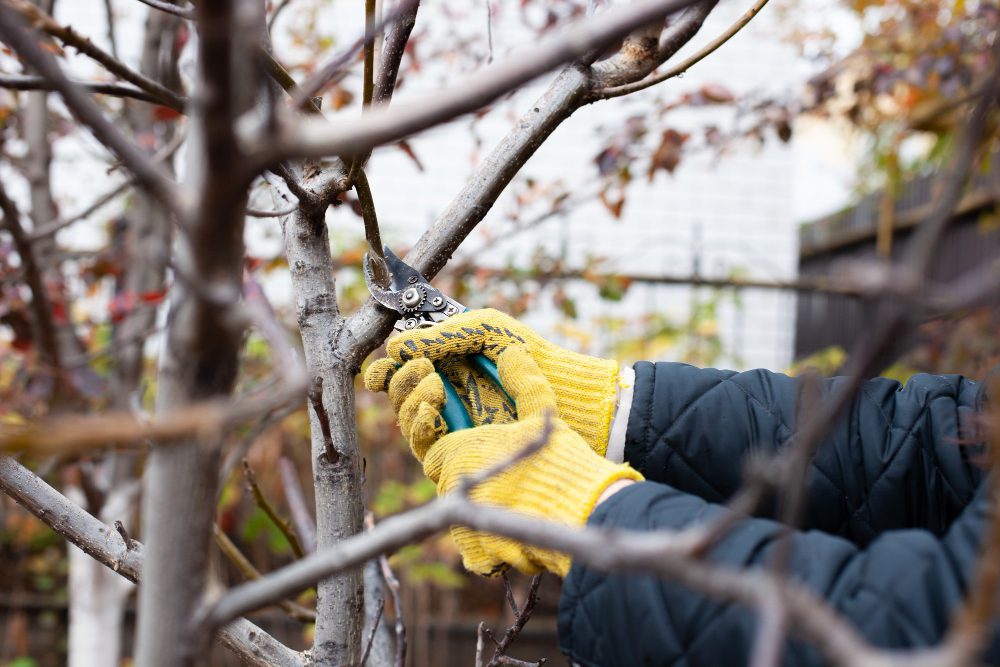
To avoid the possible build-up of leaves in the guttering, the best thing to do is to prune any nearby trees you may have before the winter months start. This is also helpful if it starts to snow as well, as snow building up on the trees can cause branches to break and can cause further damage to your property or garden.
Flying garden furniture
Garden furniture is expensive, and if winds are strong, it can also present a real risk to your home and garden – and even cause physical injuries. This does not just apply to garden furniture however, children’s trampolines can often lift off the ground in strong winds, so it’s best to put everything away or tie it down securely in your garden if you can. Trampolines themselves have become something of a modern hazard in high winds, as they have grown in popularity over recent years, so more accidents have happened with them in the winter months.
Shed maintenance
Shed maintenance in winter is something that can be overlooked but is especially important and can help prevent shed related crimes. If a shed looks unlocked and unkept for example it can easily become a target for burglars. Sheds can unwittingly hold a lot of expensive goods, such as garden tools and furniture, so it is advisable to double checking your shed is secure and locked for the winter months.
Fences and gates
Similar to sheds, it is sensible to make sure they are locked, safe and secure. If left unsecure they obviously provide easy access to your property and the loud noises they can make in the wind can draw unnecessary attention to your house.
Protecting your home in winter: Inside your property
Burst and frozen pipes
This is one of the biggest problems people face in their homes in winter, when it comes to problems caused by the weather. There are steps you can take in advance of winter though that can help mitigate potential problems and of course having to make an insurance claim. For example:
- Insulation: You should insulate your loft water storage tank and your pipes
- Indoor valves: Turn off any indoor valves on pipes leading to outside taps, then open the outside tap and leave it open to let any water drain out.
- Frozen water: Regularly check all the taps in your home during the winter months. If little or no water flows, there may be frozen water in the pipes
- Stopcock: Find out where the mains water stopcock is, and make sure it turns off easily (often it can be quite stiff). If your pipes do freeze, turn the water off and thaw them out slowly with hot water bottles
- Central heating: If you are away from home in the winter at any point, set the central heating to come on for a short time each day, this will help stop pipes from freezing
Bleeding radiator
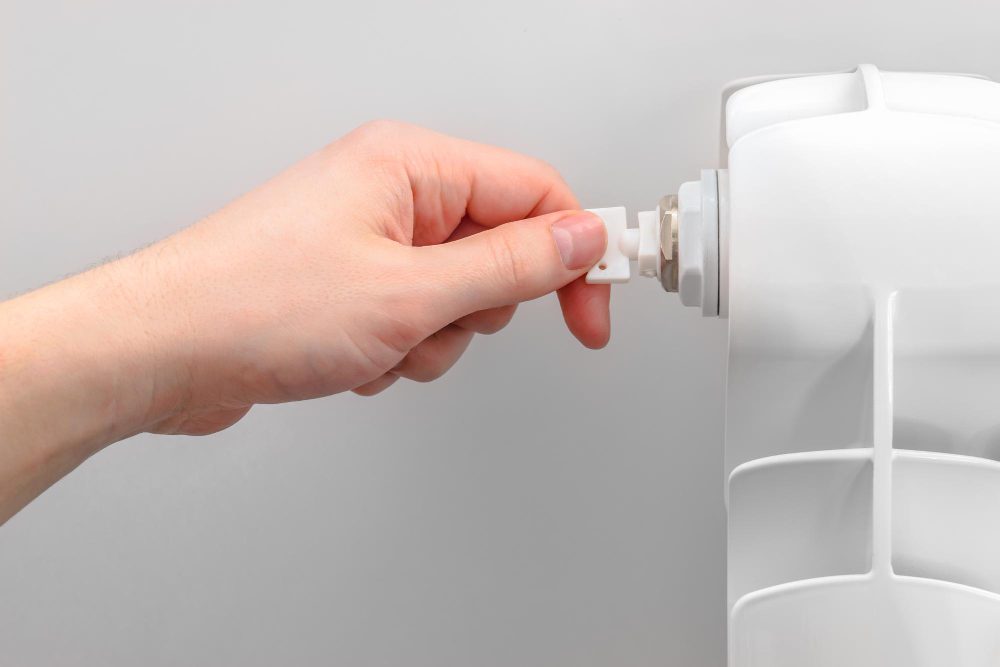
Radiators will often need bleeding if they have been out of action in the summer months. If they are cold at the top and hot at the bottom, then this is a sign that these needs doing. To make sure you’re getting the most out of your heating, test your radiators and bleed them before winter starts, doing this will certainly give you peace of mind as well.
Windows and doors
With energy costs rising, you should do a check of your home to see if any windows have been left on the latch for example from the summer months. Also look to see if there are any gaps in windows and doors so you can seal them and reduce draughts and heating costs. A lot of heat can be lost under doors so a quick tip to save money is to get an old blanket and use it to stop heat escaping and stop letting cold air in.
Double-check your security alarm
It is worth thinking about having an annual check done before the winter months start, so you can be assured your alarm system is fully functional and there are no problems. This is especially important given crime rates for house burglaries increase over the winter months due to the darker nights.
Stopping mould
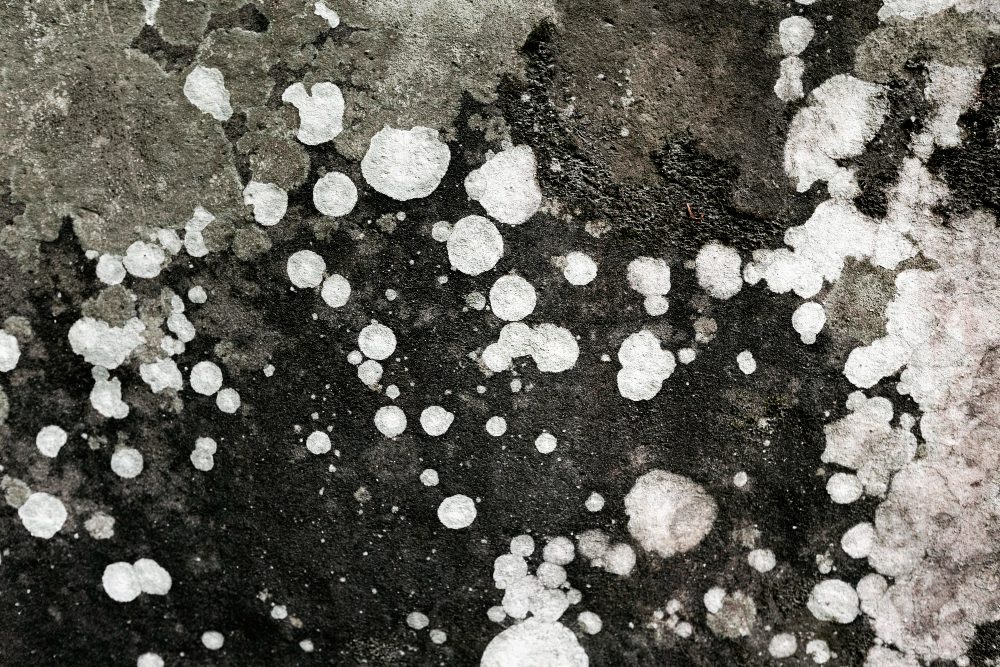
Mould can be a real problem in winter, particularly as it can spread quite quickly given the right circumstances for it to grow, there are some simple steps you can take that help reduce the risk, however. As well as keeping an eye out for any leaks, and repairing any leaking areas as quickly as possible, investing in a dehumidifier is also a good idea. This can help remove moisture from the air that mould needs to thrive. Keeping flooring dry and storing items where mould can thrive (it grows quickly on quick to decompose items such as clothes, books, piles of loose paper for example) away from external windows and walls will all help as well.
Double check your insurance
Given the change in weather conditions, darker nights and increased crime rates over the winter months, double checking your home insurance policy to make sure it is still right for you is a sensible idea. You can check your contents cover for example to help ensure you aren’t under protected. Over the Christmas period in particular, many homes will have more valuable goods in them and more visitors, so knowing the details of what is covered can give you easy peace of mind.
Finally, if you plan to go away at any point in winter, you might want to ask a friend or neighbour to check in on your home whilst you are away. This will help with spotting any issues early on, such as possible leaks, burst pipes or even the heating being left on accidentally and therefore minimising any possible damage (and expensive bills). From a security point of view, this also helps as burglars won’t consider your property to be empty if they see activity happening and lights being switched on.Remember to check out InsureMy to find out what you need how you can get cover.