
Over the years, many destructive habits have led to pollution, wasted energy and depleted resources across the planet. However, this does not have to be the same future for our children. Instead, by teaching youngsters early on what it means to be eco-friendly and by raising them to appreciate their planet, children can enjoy a much better life for many generations to come.
In today’s increasingly global world, many families find themselves having to balance eco-conscious living with international travel or relocation. Whether you are planning a move or an extended stay abroad, practical matters such as passport renewing in New Zealand and other places are an integral part of the journey, as taking care of the logistics means you can focus on meaningful priorities. Many people choose the right location because it’s close to nature, such as New Zealand, but it’s more than just where you go, it’s about ensuring that your children truly learn the importance of falling in love with wherever they live.
Here are a few helpful ways in which you can teach your child to love and protect their planet.
Respect for Nature
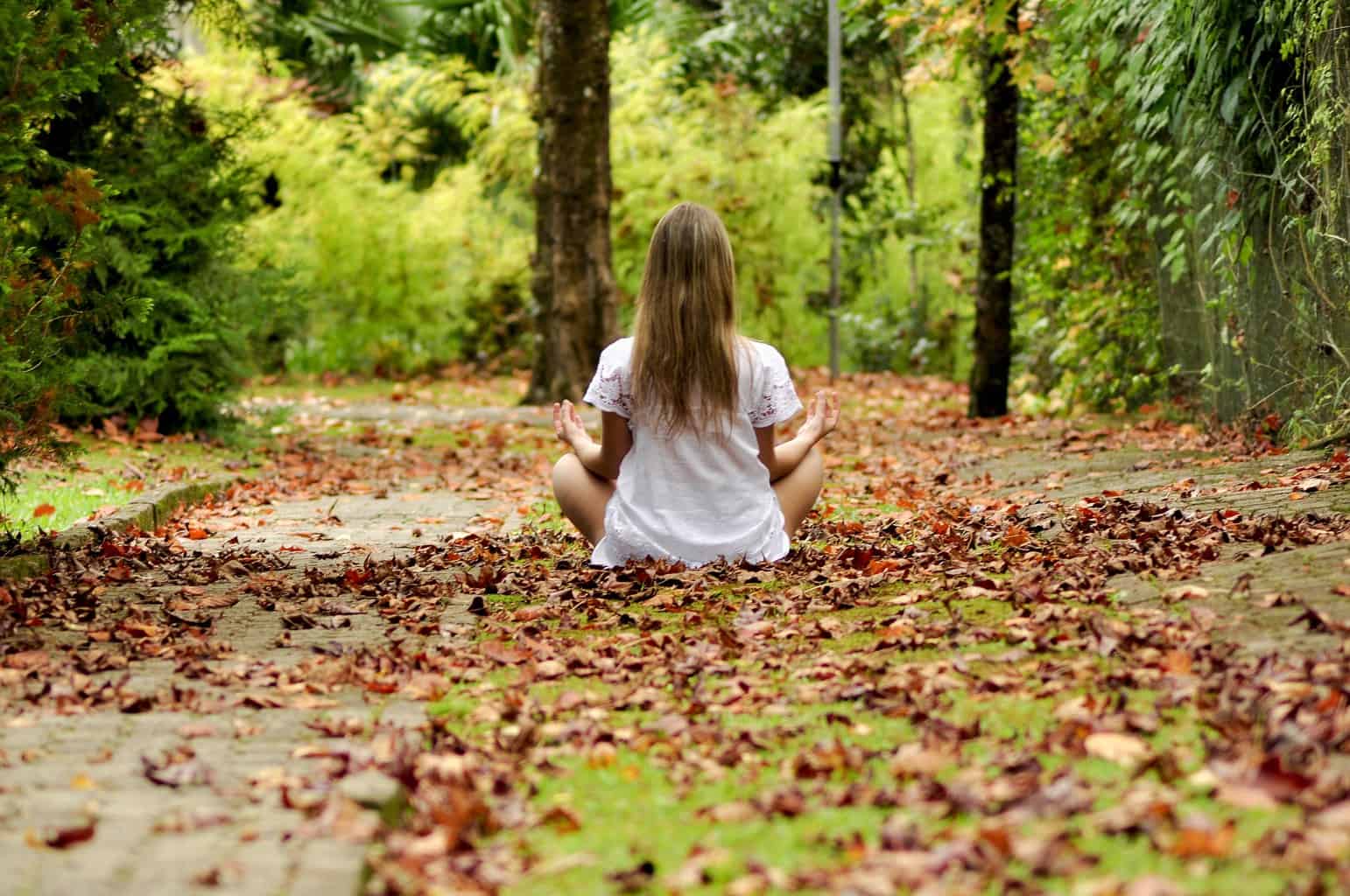
One of the first places to begin when raising an Earth-friendly child is to teach them reverence for the planet. In other words, share with children the importance of caring for the environment so that the environment can return the favor. Give children lessons on respecting all living creatures – plants and animal life that they encounter. For instance, have children spend time in the great outdoors, but teach them the importance of leaving natural habitats undisturbed. Having children refrain from kicking up rocks, throwing sticks, and avoiding wildlife are all practices that can go a long way towards respecting mother nature.
Another great way to teach children how to respect nature is to start a family garden at home. Children can gain many valuable lessons about protecting the planet by watching their very own plants, herbs, and flowers grow. This is the perfect opportunity to demonstrate to children just how valuable soil, water and sunlight truly are for preserving life. For instance, give children the responsibility of using water from the yard to nurture their plants. This fun activity will give them a first-hand account of why it is so crucial that they protect the Earth and its natural resources.
Reduce, Reuse & Recycle
Also teach kids to be wise with their waste. This can be done by reducing, reusing and recycling at home. Children can be taught how to reduce and limit the amount of waste they create and how separate out any items that can be used for something else. For instance, when it comes to recycling, show kids items that were created from recycled material so that they can understand the importance of how one simple act can make a huge difference. Teach them the practice of sorting items—newspapers, glass, aluminums, and plastics—so that these items can be transformed into new ones, helping to directly save the planet and keep items out of landfills.
The same holds true for unused items around the home that can be reused into something else. Empty cans can be turned into pencil holders; newspapers can be used for fun arts and crafts projects; and old crayons can be melted to form new, jumbo rainbow crayons. These are just some of the cool ways you can give your child hands-on practice when it comes to reducing, reusing and recycling.
Use Less Energy at Home
Another great way to teach children the importance of green living is to use less energy at home. This can take the form of using less water, relying less on electricity, or even reducing your carbon footprint by carpooling more or even biking to your destinations. For example, use less water by having children turn off the faucet when they are brushing their teeth. This act alone can save up to 200 gallons per month in water for a family of four. Explain to children that that is the equivalent of 200 gallons of per milk per month! They’ll be astounded by the impact that they can make towards preserving water. Similarly, have children turn off the lights when they leave a room or to unplug unused items like games, tablets or chargers when not in use. Such small actions can go a long way towards preserving fossil fuels and preventing unnecessary waste.
Lastly, Have Ongoing Discussions
It is important to have continuous discussions on saving the planet with your child. Create learning opportunities where your child can practice preservation efforts. One great way to do this is with the analogy that compares the Earth to the house they live in. Just like a house requires cleaning—including sweeping, mopping and wiping things down, the Earth requires the same level of care and attention to detail when it comes to reducing energy consumption and waste, which is like the dirt that has built up inside of a home. Let kids know that the Earth is their ultimate home and that they have the power to make a difference. They can keep their home clean and care for it by doing their part to sustain the planet. Teaching kids such sustainability lessons early on in life is an excellent way to ensure the planet is preserved for many future generations to come.

Author Bio: Cassie Brewer is a health professional. In her free time, she enjoys writing about her passion (healthy living of course!) and everything beauty related. Nothing makes her happier than helping other be the best version of themselves they can be. You can read more at cassiebrewer.weebly.com and follow her on twitter @Cassiembrewer.


These are some great tips. As always leading by example is the best way to encourage your children. Thanks for sharing.
What a lovely post. I think respecting nature is a lesson all kids should be taught when they are young!
Great advice. I’m already planning on giving E her own garden space. We live within walking distance of a country park and nature reserve, so will be sure to teach her how to look after our green spaces.
All very good lessons to teach children! We live rural so mine are very in touch with nature.
Great post! I have the exact same opinion on this subject. We have a nature garden and grow our own fruit and veggies. My daughter Mia is only 5 but loves reusing items and as I learn new info on helping the environment I pass it on to her 🙂
This is so important, we need them to connect to nature in order to want to look after it when they are older 🙂
Great tips here. Plan on starting a family garden.
This is an issue I’m really conscious of, and want my kids to start thinking about helping the planet. We are on a mission to reduce the amount of plastic we use at home at the moment so these ideas will help further our plans
My little ones are so focused on saving the planet that they tell us off if we use too much water or put the wrong thing in the recycling. Eliza is even the recycling ambassador at school
Great tips! I often try to make my children aware of the environment, even if it’s just teaching them how to recycle!
Children love copying everything there parents are doing so I think if we lead by example and do the things you’ve suggested our children will follow suit
Oh goodness, I always let Pickle pick up sticks and rocks… I thought that would encourage him to be curious about nature and the outdoors but maybe not as the case may be.
We recycle, and Isla already knows more than we do about it. She’s always bringing flowers in and helping us water plants. I’d love to plant a tree with her. Or at least have it somewhere in her name. That’s next!
Love this post as its something I have been really trying to do with my children recently! We are going to be growing our own veg in the garden for the very first time this year!
Mine love being outside and it’s lovely for them to learn respect it by being hands on.
Save the Earth – Don’t give birth.