In a heavily consumer-driven society, waste seems the inevitable price for convenience and ease. In reality, though, you can very much reject this notion and start building a more sustainable and low waste home for you and your family.
Going for zero waste options will help the planet and save you time and money, especially if you’re consistent about your practices! But before we get to that point, here are some quick and easy zero waste swaps you can make all over the house.
All these swaps are beginner-friendly and can be integrated into your zero waste journey at any point in time.
Cloth Napkins Vs. Paper Towels
On a global scale, household spending on paper towels reaches an astounding $12 billion annually. And of that number, very close to half is spent by Americans. Storing paper towels at home takes plenty of space, and using them creates even more unnecessary waste.
While paper towels are super convenient—especially if you have kids and are prone to cleaning up messes every once in a while—they aren’t the most sustainable choice. And if you’ve ever tried cloth napkins, you’d be surprised to see how easy they are to use as well.
Plus, cloth napkins tend to be more absorbent and of higher quality, making them much more efficient at getting rid of spills and kitchen mess.
You don’t even have to buy new ones! If you have a couple of shirts that are nearing the end of their life, it’s a simple matter of cutting them up into rags to reserve for dirty work.
Zero Waste Shampoo and Conditioner
Most shampoo and conditioner containers are made of plastic. As a bathroom staple, the typical household generates a lot of waste from these bottles alone. The waste is further compounded if you have different products for each family member.
Buying zero waste shampoo and conditioner is a sure-fire way to avoid any waste generated from the bottles. Zero waste options typically come as shampoo or conditioner bars, but you can also find liquid ones stored in refillable metal tins or containers.
The mileage for these bars vary, but they are frequently more economical than conventional bottled options.
Safety Razors
In 2018, more than $1.2 Billion worth of disposable razors were purchased in America alone. That’s an astounding number for a small item that is, more often than not, difficult to recycle and repurpose.
On the other hand, a safety razor can be used for years on end with little waste. The only disposable part of a safety razor is the blade you put inside the head, and those are pretty cheap and can even be recycled!
Safety razors often cost around 15x more than a single disposable razor, which is quite a big difference in the upfront cost. However, safety razors will be much cheaper and of higher quality than disposable options in the long run.
Reusable Shopping and Produce Bags
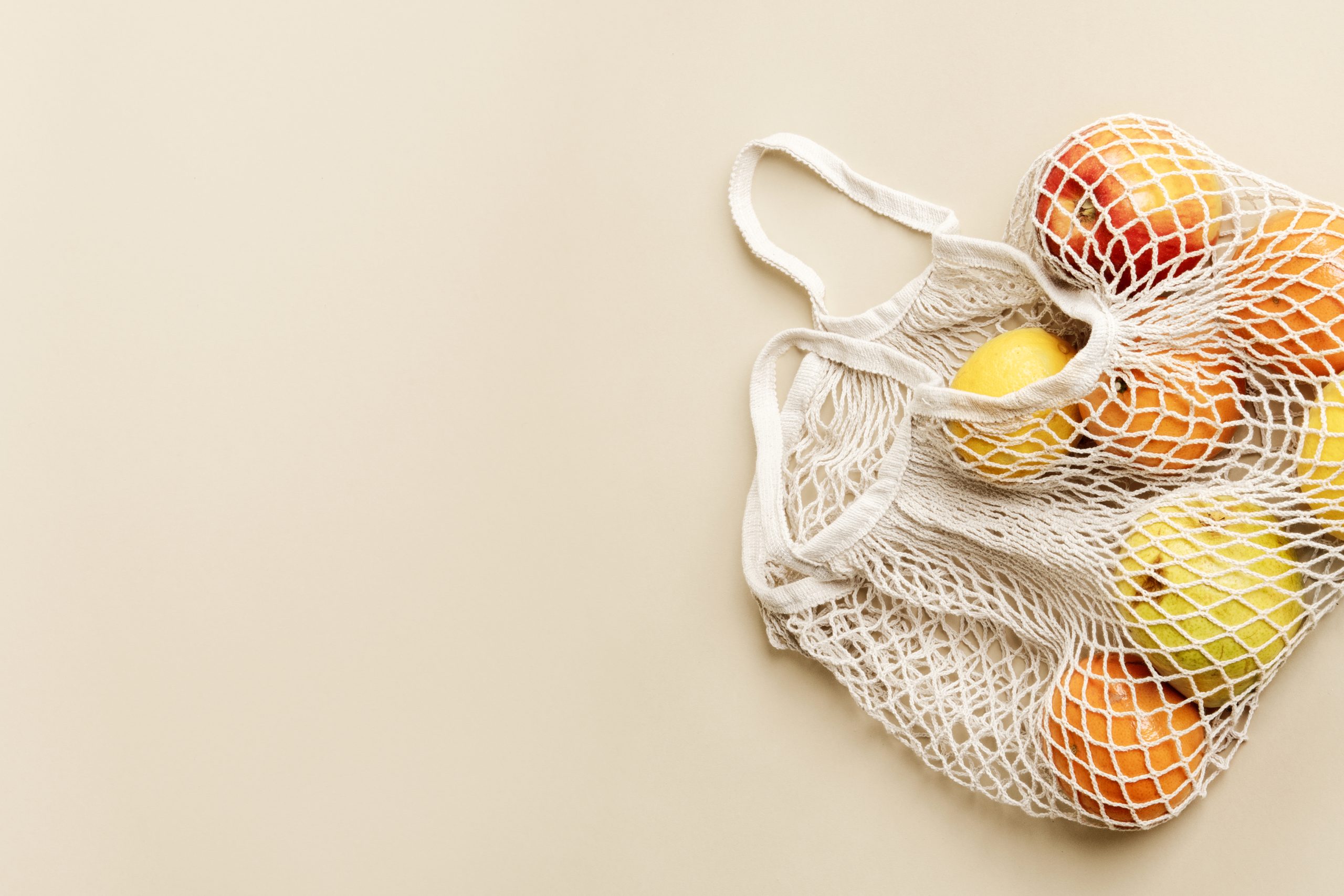
Shopping for a family can be quite an ordeal. There’s bound to be a long list of items to buy, and keeping your family healthy is always a top priority when going grocery and produce shopping. As a result, you may end up with fruits packaged in plastic or meat products stashed in plastic trays or bags.
Taking a reusable tote with you is one way to reduce waste. But to go even further, you could stock up from your local farmer’s market, where the produce isn’t likely to be packaged in plastic.
Reusable Food Wraps
The average household typically uses plenty of cling wrap and aluminum foil—mainly for making sure food is kept wrapped and safe from the elements.
Once used, these wrappers are usually just thrown away and left to rot in a landfill somewhere.
Utilizing items like Beeswax wraps is an excellent way to avoid throwing piles of cling wrap every week. You could also purchase silicone baggies, but we would treat these as a second option since they are not compostable nor biodegradable.
Eco-Friendly Dish Sponges
Most disposable dish sponges are made of plastic. This poses issues on two fronts: disposal and use.
We’re already familiar with the problem that arises when throwing away plastic. But a less-discussed issue is how plastic objects shed microplastics when they are being washed—and in the case of sponges, when they are used to wash something else.
As an alternative, you can opt for zero waste dish sponges made from cotton, wood pulp, and other cellulosic fibers.
Zero Waste Oral Care
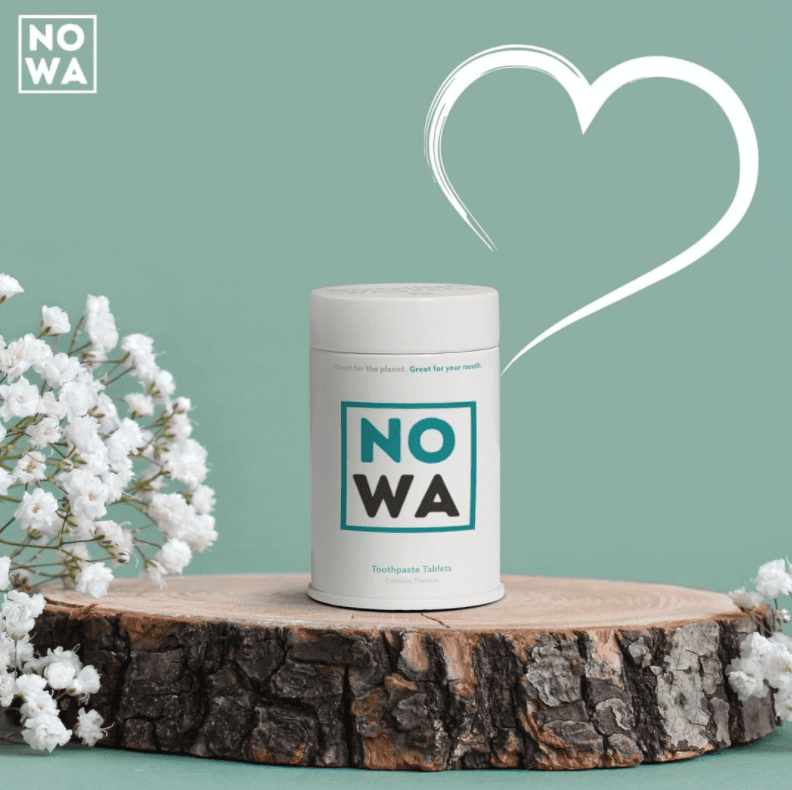
On average, we go through 300 toothbrushes in our lifetime — so imagine the staggering amount of toothpaste tubes we send to the landfill within that period? Thankfully there are now products on the market which provide oral care in tablet form for both toothpaste and mouthwash. We are big fans of the range from NOWA which contain fluoride and can be stored in a reusable tin jar. Also worth noting that they have made a big leap in making toothbrushes more sustainable with their Sonic Bamboo Electric toothbrush – the first of its kind in the UK.
Reusable Water Bottles
If you haven’t made this switch yet, it’s one of the easiest ones to do. Ditching your plastic water bottles and opting for reusable ones isn’t at all a sacrifice or inconvenience—it’s super easy to do and takes very little effort on your end.
Simply purchase a set of water bottles for everyone in the family and start using those regularly instead. For water, just substitute your regular mineral water with filtered water from the tap.
Zero Waste Skin and Sun Care
Taking care of your family’s skin is a commitment—especially during outdoor or beach trips where the kids are likely to be exposed to the sun.
The main issue with conventional sun care is that they are, yet again, packaged in plastic bottles. In addition, most drugstore sunscreens are also made of harmful active ingredients that aren’t safe for our coral reefs, so although they’re good for your skin, they’re bad for our biodiversity.
Switching to zero waste sunscreen will not only save you waste in plastic bottles, but it will also help you make better decisions for the ocean! Most zero waste sunscreens are reef-safe and won’t hurt the corals.
Reusable Food Containers
Reusable containers for your meals are another quick and easy zero waste swap you can make for your home. Whenever you’re buying takeout or meal prepping, you can easily grab a reusable container and store food without any waste.
Reusable containers also make for DIY lunch containers or storing snacks for work. Bringing some leftover pasta the night before and microwaving it at work is an easy way to prepare lunch without much fuss or time.
Zero Waste Feminine Hygiene
It took me a while to come round to the idea of zero waste feminine hygiene but now I am firmly sold. Reusable pads are a great place to start and we would recommend Trade To Aid whose reusable pads are made from high-quality super-soft bamboo charcoal and recycled plastic and feel ridiculously comfortable and also help to end period poverty around the world.
You could also experiment with period knickers like those from ModiBodi as well as menstrual cups. The main thing here is to find something that works and feels comfortable for you.
Buy Less
Buying less “stuff” is one of the best pieces of advice if you want to go zero waste. Although it is technically not a swap, it’s an all-encompassing mindset you can incorporate into every step of your zero waste journey.
Keeping a household running is no mean feat. It requires a lot of effort, patience, and with all the shopping that goes on, it can be very easy to accumulate a pile of things that are no longer necessary.
If you are set on keeping your home zero waste or at least implementing some easy zero waste swaps, it’s crucial to leave behind the ultra-consumerist mindset and start shopping with the planet in consideration.
Conclusion
Many people assume that making zero waste swaps is something of a challenge—and to an extent, they’re correct. Going zero waste is a commitment that takes effort and patience. But you don’t have to do it all at the same time!
Making zero waste swaps for your home is an easy way to ease you and your family into a zero waste home. Even something as simple as using lesser paper towels is already a huge step towards becoming a more sustainable household!
Food photo created by freepik, Food photo created by rawpixel.com, Brush photo created by freepik