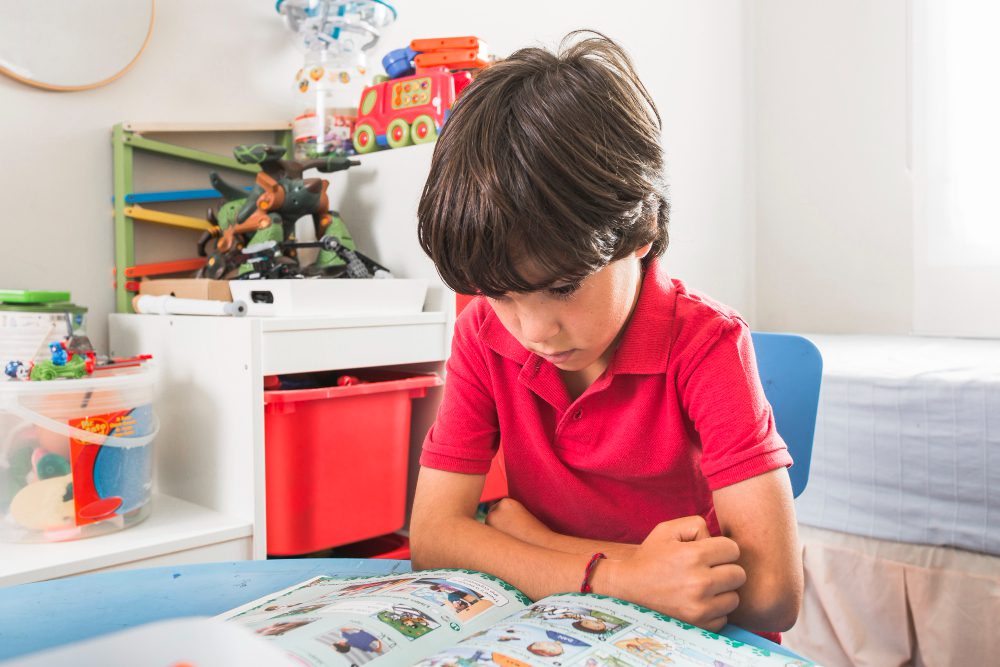
It’s normal for children to develop reading skills at different rates, but if a child is significantly behind their peers or shows a lack of interest in reading, it may be cause for concern. If a child is struggling with basic reading skills such as decoding, understanding the meaning of words, or comprehending what they read, it may be a sign of a learning difficulty.
Meet Kate McKenzie; a mum and teacher with a passion to help our children to learn how to read by understanding and supporting them. After suffering from dyslexia herself and seeing her own son suffering, created a product called Word Window. The product is a little window that goes over the words on the page and can break them down into smaller chunks to make it easier for children to manage.
In this article, she shares her thoughts on when to worry about a child’s reading.
When to worry about a child’s reading
There has been much debate around learning to read, and understanding the science behind reading is important but complex. As parents, we don’t need to understand the complexity of the information, but we need to be able to read the letters and make the right sounds to be able to blend the word.
First things first, if your child is finding reading difficult, remember that it is not their fault.
They will most likely be fully aware that they can’t do something that their peers can, and will be experiencing shame and embarrassment at this situation.
I remember learning to read in my early years; I felt small, stupid and inferior alongside all my friends who seemed to be doing this with ease. It seemed daunting and alien to me. I have spoken to countless others who have had a similar experience growing up, and even parents who speak of their child’s shame at finding reading difficult.
Children develop at different rates
In the same way that children develop at different rates, the same can be the case for learning. Some children take longer, but others may quickly become little bookworms. However, some children will really find things difficult, and may need intervention.
In this article, we will look at some ideas to try at home first, and if these don’t work, then what to do. Firstly, review when you are reading, how long you are asking your child to read for, and whether you are confident with how they should be reading (and decoding the text).
It may be that you are reading when your child is tired, moving reading to an earlier time can really help as their brains are more switched on.
Reading duration
How long are you reading? Do the first 5-10 mins go ok, and then things fall apart? If this is the case, try to shorten your reading time – more than 10 mins for a young child can be very tiring.
If you happen to have a child that has undiagnosed dyslexia this could be very noticeable as their brain is working twice as hard (I still fall asleep reading because of the cognitive work my brain is doing!). It is important to note here that just because they get tired doesn’t mean they are dyslexic, all young children will find practicing reading tiring, so go easy and don’t panic.
Understanding the fundamentals
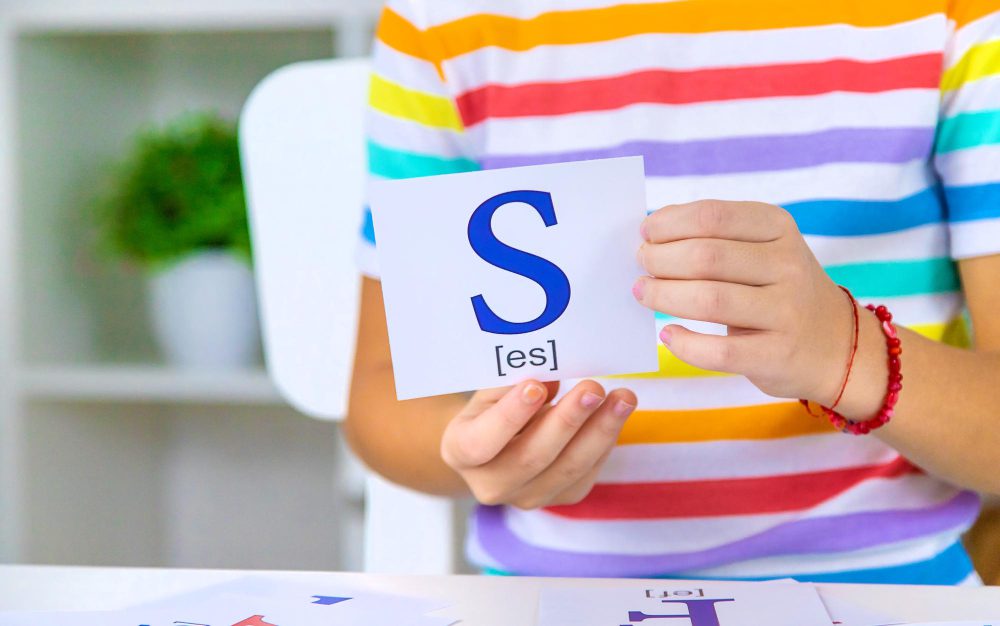
Are you confident in how children are taught to read? Practice has changed and adapted since many of us went to school. I often heard my son correcting his Daddy on how to sound a letter correctly, we can be doing more harm if we don’t use the same process. Many schools offer reception parents guidance on synthetic phonics when their children begin. However there are excellent websites that show you how to sound it letter, or letter combination. Understanding this is fundamental if you are going to be able to support your child at home.
Make it fun
Most books that will come home from school will be fiction. Whilst you may not find the story riveting, your child will be led by you. Find something interesting in the pictures and create that excitement and enthusiasm, ask them what they think might happen next to keep them engaged.
When there is more time consider playing out the story, for example, if the book is about pirates you could read it dressed up, or with paper pirate hats on! Making reading engaging and more than just about getting the letters and sounds right, will allow your child to see what magic a book can unlock, and a love of reading can be nurtured.
Patience
It can take time to commit a word to memory. Just because your child has understood a word successfully when they turn the page and the same word is there it doesn’t mean they will know what it says. They may need to sound and blend the word several times over. This is normal and part of the learning-to-read process.
Take the off pressure
If a child is struggling, stress and anxiety can actually make reading more difficult. According to research ‘some children develop a downward spiral of stress when reading that leads to a virtually complete breakdown in ability’. Remember, that it’s just practice and should be as relaxed as possible. Stay positive, sound it with them, help them to blend, and if required, tell them what the word is so that you can keep the story moving and keep them engaged.

Decodable books
Recent changes to education in the UK have seen an expectation for decodable books to be used. These are books that your child should be able to read based on the letters and sounds they have been learning at school. If your child doesn’t have a decodable book this might be another reason they are struggling. Ask your child’s class teacher if they can advise if the books are decodable. If they aren’t then be sure to help your child out where words that have sounds in that they haven’t yet come across.
You’ve tried everything – what next?
So now you have reviewed the current situation, and tried out our tips but your child is still struggling with their reading. Your first port of call is the school. Highlight what your concerns are, and what examples you have in the home setting when trying to read.
A word of caution: a child who is dyslexic and a child who is struggling with learning to read display many of the same problems which make identifying dyslexia difficult. For this reason assessments don’t usually take place in school until the age of 7-8. You can seek your own assessment sooner, however if you do this, proceed with caution, private assessments may not be recognised by your local authority and you might find that the findings are not accepted.
Don’t jump to conclusions
There are other reasons that your child might struggle to read. Meares Irlen syndrome is a problem with the brain’s ability to process visual information which leads to difficulties with fine vision tasks such as reading. It is believed to be experienced by 14% of the general population but is found to be more common in people with learning difficulties such as dyslexic, and social and behavioral difficulties such as autism and ADHD.
Some excellent websites about dyslexia and support and guidance include:
Madebydyslexia.com and BritishDyslexiaAssociation.org.uk