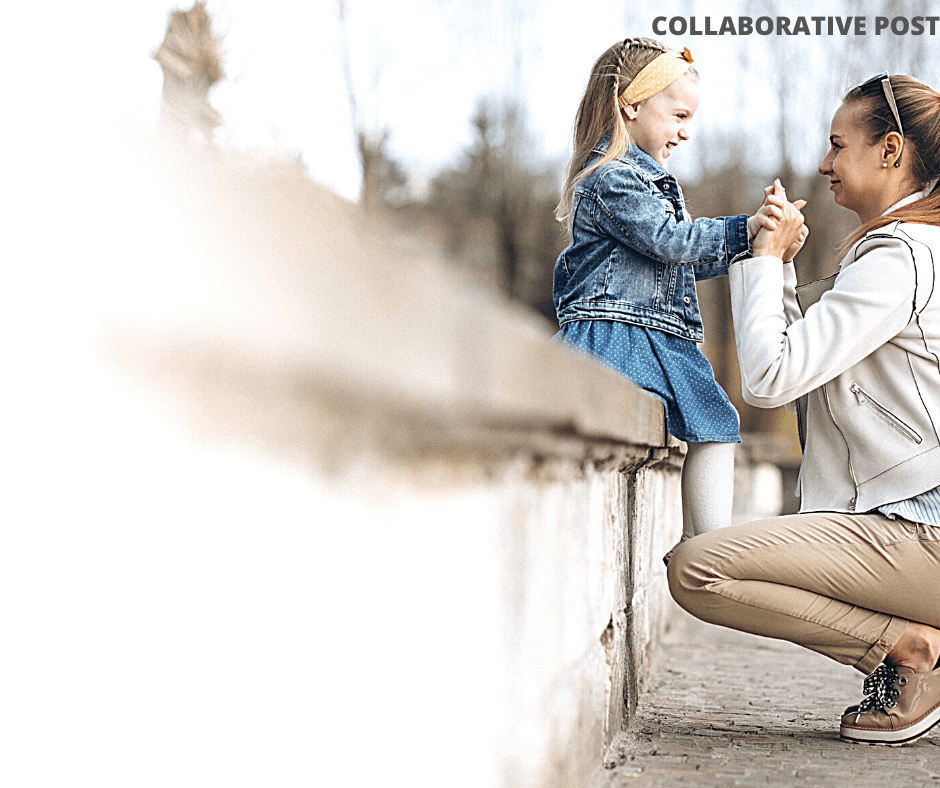
It sounds obvious but as parents, it’s important that we try and help our children learn the various moral values that they can live by long into adulthood. There are lots of different values and what’s important to one family might not be as important to another, but you will naturally start to explore what’s right for you.
Ultimately, our kids need to instinctively know the difference between right and wrong and how to treat others, which stems from the moral values they learn when they’re young. So, if you’re wondering where to start when it comes to teaching your child about moral values, here are some tips from an international school in London. The most important thing to bear in mind is that actions speak louder than words, so you will need to demonstrate the moral values yourself if you want your child to follow suit.
Manners
Remind your child to say please, thank you and sorry when appropriate until they do so without your prompt. Being polite and considerate is highly underrated and they will find it harder to make friends if they come across as rude and ungrateful.
Kindness
Teach your child that if they are kind to others, others will, more often than not, be kind back. Teach your child some different ways to be kind. For instance, if someone is crying, your child could offer them a tissue. If an elderly neighbour is struggling to carry their food shopping in from the car, your child could offer to help. Even checking in with someone once in a while to see how they are is a way of demonstrating kindness. You could role-play together at first and then shift it up a gear and practise in real life situations.
Sharing
When your child is playing with their siblings or friends, encourage them to share their toys and take turns. This is a kind thing to do and will be necessary when they start nursery or school.
Listening
Your child needs to know that when they are having a conversation with someone, it’s just as important to listen as it is to speak. If your child interrupts you when you are talking, gently remind them that it is impolite, and they should listen when someone is talking.
Gratitude
Encourage your child to think about all of the good things in life by focussing on gratitude. Every evening after school, ask your child to share some of the things they’re grateful for each day. It could be something as simple as being given a lift to school or eating a delicious lunch. The trick is to help your child focus on what makes them fortunate, rather than dwelling on things they don’t have or things that might have gone wrong. As a result, they should start to become more optimistic and confident.
Perseverance
There will be times when your child wants to give up on something because it’s not going their way. It could be anything from a piece of schoolwork that they’re struggling with or a board game that they’re losing. Try and teach them to persevere, because that’s what leads to a positive outcome and helps with learning and growth.
The above values hardly scratch the surface, and there are many more that you are probably exploring naturally with your child. Be sure to praise them when you see them behaving in a way that you are proud of. For example, you could say “I really appreciated your honesty today when you owned up to your mistake” or “I’m really proud of how kind you were when you tried to cheer up your brother earlier”. Positive reinforcement will go a long way in help your child grow into a good, kind person.

Baby photo created by senivpetro – www.freepik.com