We live in a time that is undeniably dependent on technology. These days, all children want is a fully charged iPad and an endless supply of games or YouTube videos. And, with the fear of sounding a bit too much like you’re harping on about the “good old days”, it can be hard to know how to expand their playtime away from just technology-based activities but nonetheless, outdoor activities are still crucial to their mental and physical wellbeing.
However, all thanks to nursery chains like Kiddi Caru, there are an influx of ideas and online resources put out there, ahead of summer, to give you a fighting chance of getting your child further than the front door. To give you that final push, we’re compiled a short list of all the benefits of setting up outside activities for you and your child. Read on to find out more.
Teach them about wildlife
Introducing your child to the outside environment around them is a great way to instil a natural curiosity into them, as well as an overall awareness. A study found that 87% of individuals who were encouraged to spend time outside as children continued to be interested in nature into their adult life, with another 84% of those surveyed considering the environment to be extremely important. By teaching your little ones about wildlife, they gain a greater understanding of how the world works and you never know – you could end up raising the next big name in environmentalism!
Teach responsibility
After learning more about wildlife, your child will most likely have questions about how animals live in the wild and what happens when X, Y and Z. You should take this opportunity to broach the subject of responsibility, and how to correctly look after wildlife. This can also lead into discussions around pets and their dependence on us to keep them alive and well.
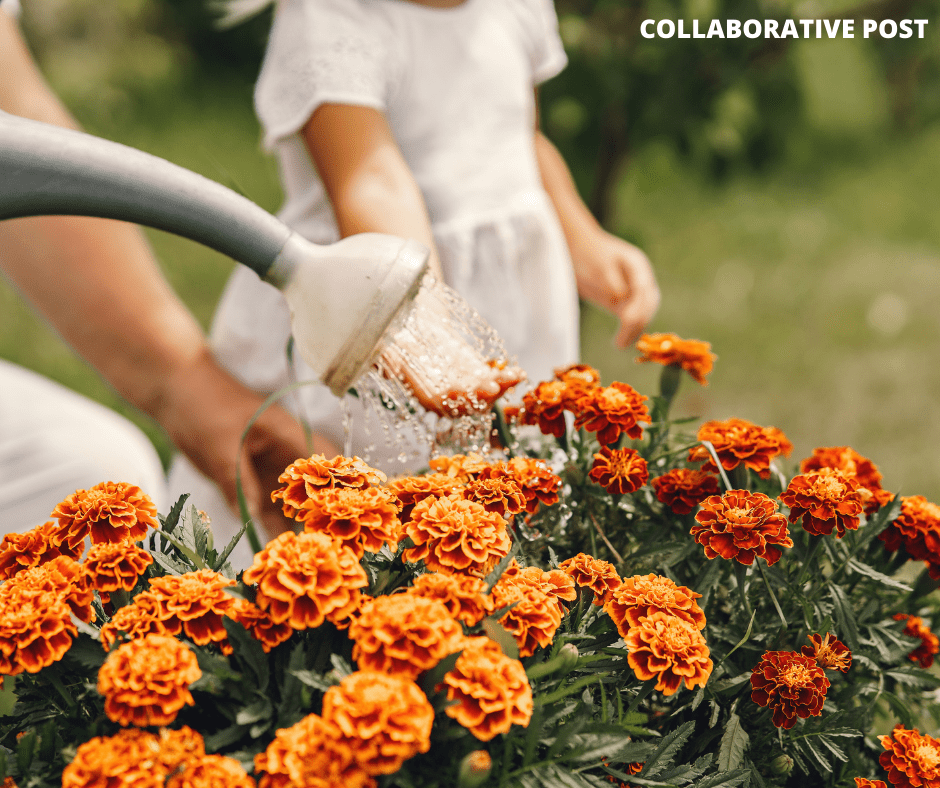
Give your children a small section of the garden to be responsible for, and help them to plant whatever they want. Make sure they know that these plants need them to survive. Although it may seem like a bit of tough love, it’s beneficial in the long term for your child to see what happens if they forget to water their new flowers, or pull them out by the roots.
Learn new words and concepts
Spending more time involved in outdoor activities can greatly improve your child’s ability to learn new words and concepts, by utilising more of their senses. This is especially prevalent with kinaesthetic learners who take on new ideas best when they are able to touch things and physically process new information. For example, it’s a lot easier for a child to comprehend what the word “squish” means if they can touch the mud in the garden and squish it themselves with their hands. Being able to actually see and watch bugs can also help them to learn the names of these creatures – by associating these new words with visual experiences. Why not create a checklist for your child and go on a little hunt in nature? Depending on their age range, you could even get them to write these new words themselves by tracing your own writing.
Introduce them to a new hobby or interest
Once your child has developed a love or curiosity towards nature, the rest is history. You should encourage them to spend more and more time outside, away from technology. If your child loves nothing more than spending the afternoon building little stick houses for fairies or watching bugs go about their business, then it’ll be a win/win situation! Not only is nature free, but it’s also in abundance. With this newfound enthusiasm, you can make a trip to the park seem akin to Alton Towers, without spending a penny. Your child will also grow up to be more responsible and empathetic to the world around them. What more could you ask for?
Flower photo created by prostooleh – www.freepik.com