
Do you ever feel like you need to be a better parent? Do you ever wish that you were stronger, and bolder in your parenting? One of the top search terms that bring people to Motherhood: The Real Deal, is “feel like a bad mum“.
The fact is, that being a parent requires you to be fearless. And often being a parent can leave you feeling completely hopeless, lost at sea, and overwhelmed…especially in those early days.
Let’s set the record straight now. Let’s put it out there – the thing that we all know to be true but are too ashamed to say out loud. Being a parent can be terrifying at times. Yes don’t get me wrong, being a parent is also heart-smashingly, tear-jerkingly wonderful as we swell with pride at these amazing little human beings we have created.
But it’s also scary because the way our kids turn out is ultimately down to us, because they are so vulnerable in those early months and years, because there is no blueprint or training per se for raising kids because the challenges are always changing and mostly you have no clue whether what you are doing is right.
To be a parent, we need to grow up, dig deep, and be fearless, especially against the backdrop of the complexities of raising kids in our modern world. But how do we do that? How can we be the best version of our parent selves and help our children grow to be happy and healthy against a seemingly messed up and maddening world?
Here Dr. Susan Maples – passionate pediatric health educator on a mission to help parents raise happy, healthy children and author of Brave Parent: Raising Happy, Healthy Kids in Today’s World shares her worse of wisdom on how to be a braver and better parent.
*****
Healthy children are the greatest asset any family can have, and it is a parent’s responsibility to help kids maximize their health span. In the 200,000-year history of our human race, it’s been in the blink of an eye—the past forty-five years—that our people grew to be so tired, wired, overweight, anxious, depressed and addicted.
Here’s what YOU can do to help your child grow to be healthy and happy adults, against these odds.
Walk the talk
I’m about to make some life-changing health recommendations that aren’t easy to enforce if you aren’t doing them yourself. Talk doesn’t work. In truth, your kids are watching you, and they’re modeling your behavior. So, let your kids know that you’re striving for a healthier lifestyle, right along with them. Encourage and champion each other as you go.
OWN your kitchen!
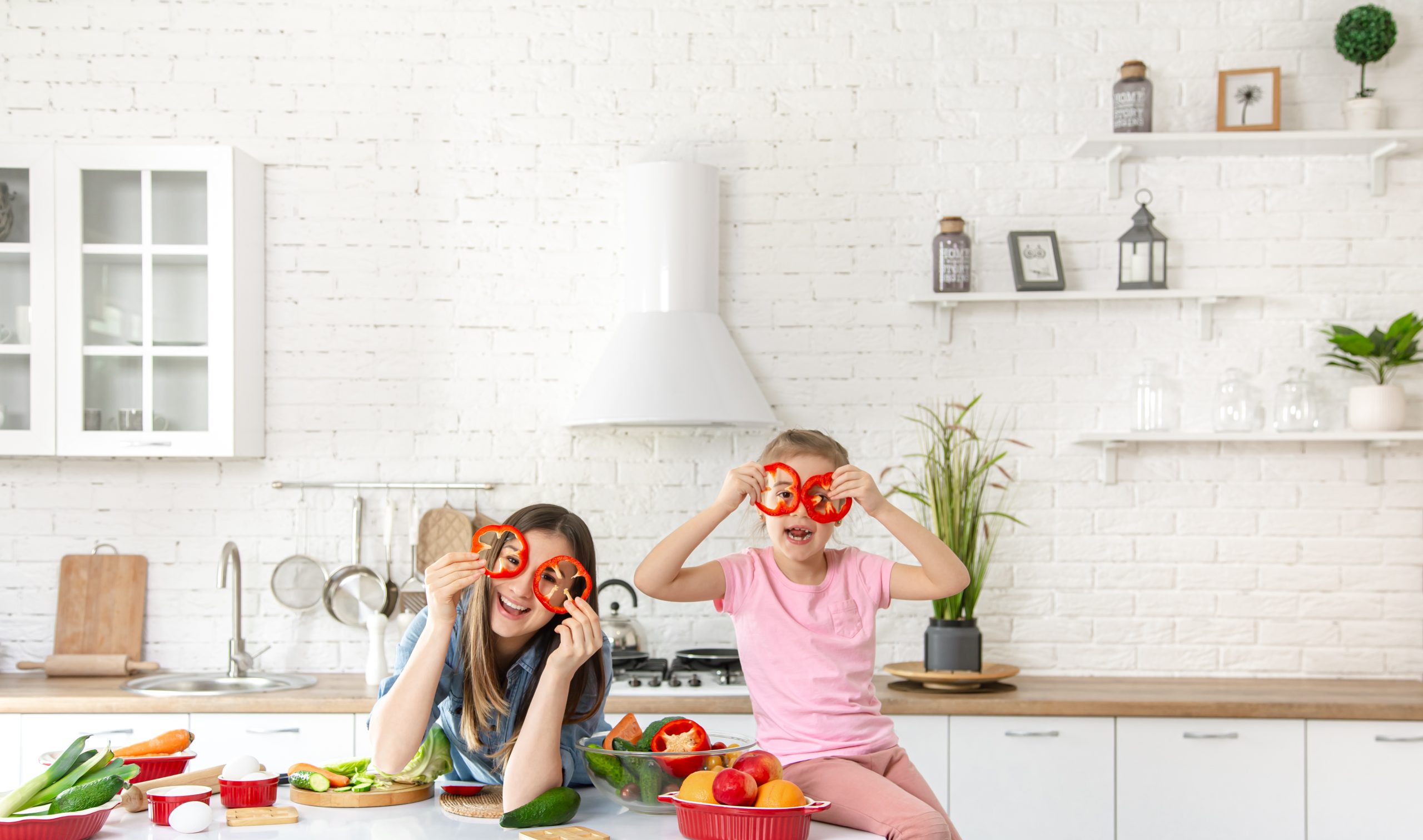
It takes a Brave Parent to avoid processed food. Buying real foods, otherwise known as whole foods, means you need to shop, chop, cook and serve healthy, appetizing foods. You don’t need to be a gourmet cook, you just need to leave factory-made “foods” in the store and drive past all the fast-food lines.
Your kids may complain, when you replace their boxed breakfast cereal with real oatmeal, whole fruit and a hard-boiled egg, but you’ll only need earplugs for a little while. The brain magically re-wires our preferences around what we habitually eat. When your kids begin to notice the long-term health benefits, compared to their peers, they will thank you a thousand-fold over their lifetime.
Ban sweet drinks (Including fruit juice and sports drinks)
We’ve gone bonkers with sugar, consuming an average of twenty-two teaspoons per person each day! And what we drink is even more to blame than what we eat. Sugar addiction wreaks havoc with weight stability, dental health, metabolic health, and the list goes on.
To fulfill the World Health Organization’s recommendations, the US only needs to cut sugar consumption by a killer 75%! Somehow this nugget has been ignored by mainstream media.
Starting kids with fruit juice teaches them to quench their thirst with something cold and sweet. And juice misses all the benefits of the whole fruit: fiber (our #1 nutrient deficiency) and phytonutrients, the building blocks of cell health.
Ban sugar-free drinks too. Sugar substitutes boost hunger, weight gain and metabolic diseases such as Type 2 Diabetes. Stick with water, white milk and unsweetened nut milks. Leave the rest in the store.
Become a sleep advocate
The quality and quantity of sleep your child gets might just be the #1 determinant of their growth, mood, cognitive ability weight/hunger control and overall health.
Sleep quality requires an efficient airway, both day and night. 24/7 nose breathing (not mouth breathing) is critical. Snoring or audible breathing are signs of obstruction and should alert you to consult a pediatric airway dentist or physician.
Sleep hygiene is also critical. Enforcing early bedtimes in a cool, dark room without electronics is key. And caffeine for kids is an altogether no-no.
Don’t over-sanitize your child’s world
A shocking declaration in the middle of a viral pandemic? The truth is our bodies need microbial diversity for a healthy immune system.
It’s mind-blowing to think that for every human cell, our bodies carry more than TEN microscopic bugs along for the ride. The bigger and more assorted your bug population, the healthier you are presumed to be. And vice versa!
At the end of the day, we are social beings, bugs, and all—wired for daily gestures of touch: hugs, kisses, and hand-holding.
Less indoors – more outdoors
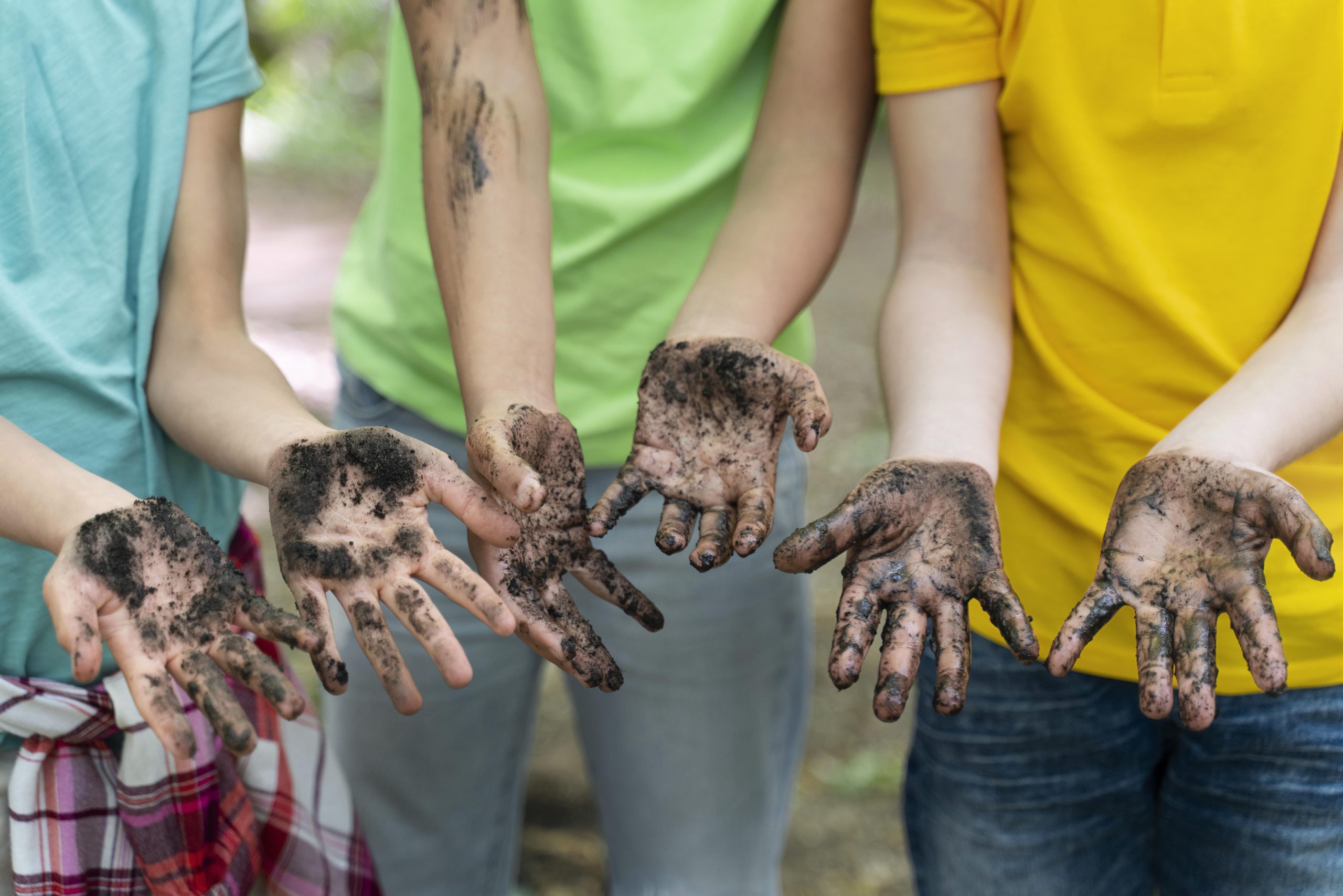
We are all yearning for reconnection to nature. Steer your kids toward regular, unstructured outdoor playtime. It will settle their souls and fuel their microbiome!
Teach kids that it’s okay to dig for worms, study insects, pet farm animals, and dissect flowers. (By the way, playing with your pets, especially dogs, helps build microbial diversity too.)
Resist the urge to hand-sanitize until it’s time to come inside. Then offer soap and water, which is just as effective has hand sanitizer and does allow alcohol or harsh chemical absorption through their skin. Antibacterial soaps are not beneficial over regular soap.
Monitor all your child’s device usage
Don’t allow your child’s screen time to be private. There are countless traps that can derail them, such as dangerous stranger chat (and other privacy infringements), intense social pressure to be “liked,” and the cruelty of blaming or cyberbullying.
Don’t let your child have apps that you don’t have. Navigate potential dangers before they experience them and teach then not to over-share personal information. If you haven’t yet watched the Netflix documentary The Social Dilemma, do it.
Identify signs of anxiety and depression
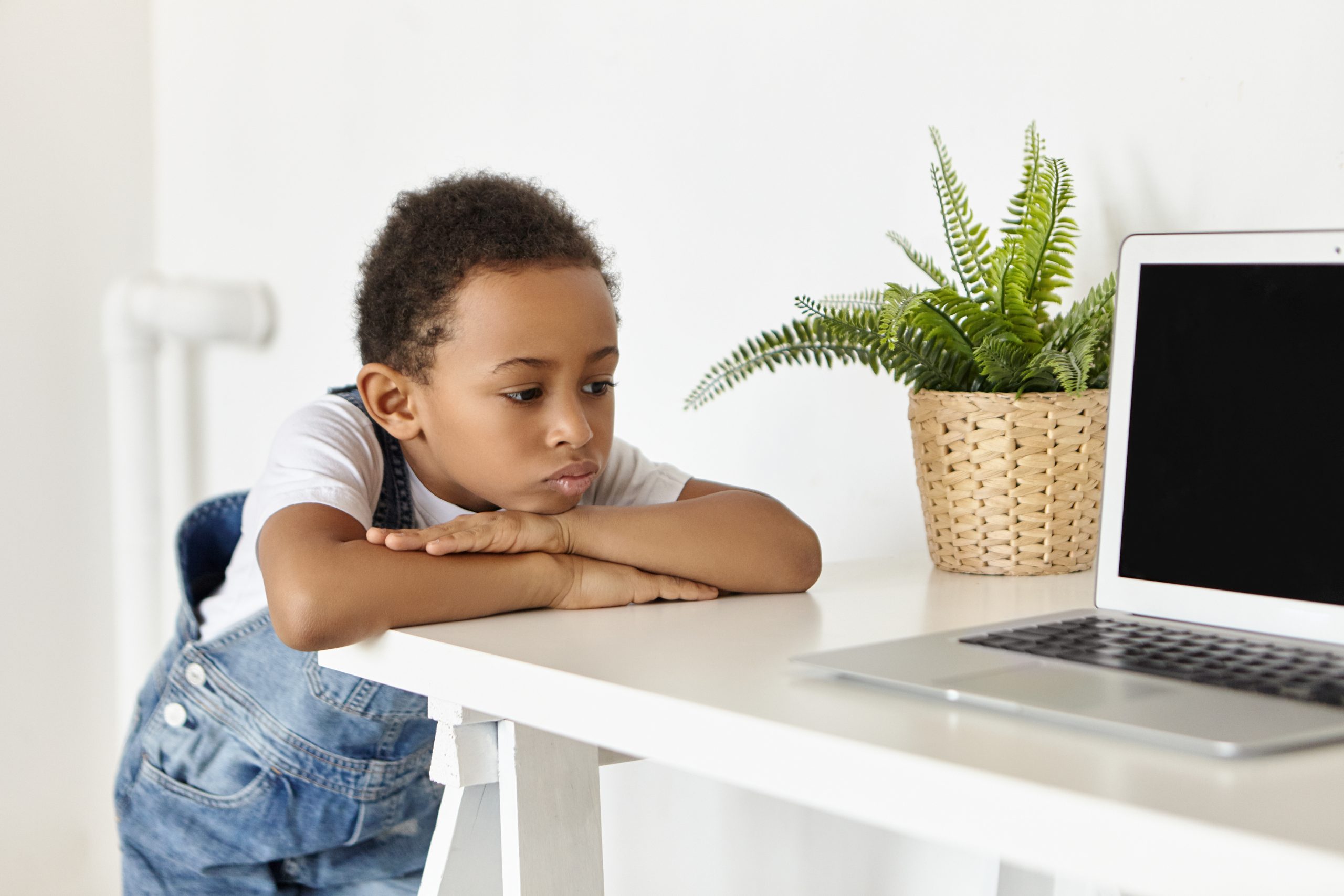
Even before the pandemic, the rates of pediatric stress, anxiety and depression had been climbing. And then, just like that, the rates doubled during the COVID shutdown.
Irritability, anger, sadness, changes in sleep and appetite are some of the most common early symptoms in children and teens. Once you see them, keep your blinders off! Depression is often undiagnosed and untreated because symptoms are passed off as normal emotional and psychological changes.
Listen to your child. And don’t hesitate to reach out for professional advice from your physician or other reliable sources.
Don’t keep secrets
Speaking of listening, it’s critically important that you keep the lines of communication open.
If you want to be the kind of parent to whom your children will confess their struggles; learn to tie a natural consequence to their mistakes—and don’t impose harsh, unrelated punishments.
Teach the message, “In our family, we don’t keep secrets … only delightful surprises.” You’ll come to know the value of that idea if your child ever happens to be bullied, abused, drawn into a dangerous collusion, or inappropriately touched by someone.
Our children’s worst decisions are often accompanied by shame. And the cost of staying silent is huge. Talking it through helps your child make their act shameful … not their person.
Encourage daily exercise
It’s crazy to me that we now have federally published physical activity guidelines for our children … even our toddlers, ages one to three.(But I get it.)
Our kids NEED aerobic activity and muscle-building activity in equal measures. And at least one of them each and every day!
Daily activity is an enormous investment in their future health, too, since children who exercise regularly are significantly more likely to seek physical activity and fitness throughout their life.
For the health of your children, be bravely prescriptive about these changes. (That means STAY STONG in your resolve.) Kids want structure and limits. Assert your expectations and explain why. And by all means, be kind and forgiving to yourself and your kids as you transform toward a healthier household.
Kids photo created by jcomp, Food photo created by pvproductions, School photo created by karlyukav